



NY MTA Testing Q'Straint's Quantum Securement System
The system is designed to allow people using manual or power wheelchairs to independently secure themselves on a bus with just the push of a button.

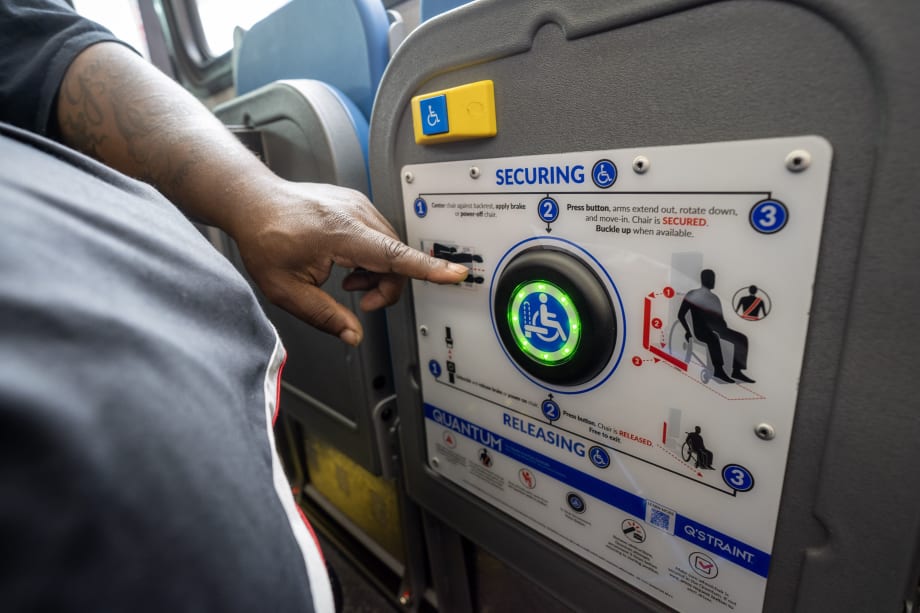
The MTA will be collecting customer and operator feedback on their experiences with Q'Straint's Quantum, as well as the operation and maintenance costs of the system.
Photo: MTA
New York’s Metropolitan Transportation Authority (MTA) launched a six-month pilot to test an automated wheelchair securement device, Q’Straint’s Quantum Self Securement Station, on 10 buses along the M7 route.
The system is designed to allow people using manual or power wheelchairs to independently secure themselves on a bus with just the push of a button. Currently, bus operators must leave their seat to secure a wheelchair in place and free the wheelchair from its position to let the customer off. Quantum streamlines that process by improving the experience for customers who use wheelchairs and speeding up the bus for all riders.
The Q’Straint, MTA Pilot
The M7 was chosen because of the high-volume of mobility device users along that route. Customers will be able to know if their bus has Quantum by a decal on the side of the bus near the front-boarding door. There will be one Quantum Self Securement Station on each of the 10 buses. Passengers will still have the option to use the traditional four-point securement with the assistance of a bus operator, if preferred. Whichever method a customer chooses, the bus operator will be available to help.
The addition of the Quantum is just the latest in the MTA’s work to celebrate Disability Pride Month. Last week, the MTA announced the expansion of new wayfinding tools, opened three new accessible stations, and held multiple events highlighting accessibility.
“We are excited to test this new automated technology that can greatly improve the commuting experience of passengers who use wheelchairs,” said New York City Transit President Richard Davey. “It allows customers to board and secure themselves more quickly and effortlessly, while requiring minimal to no assistance from the bus operator — promoting independence and autonomy over their own journey.”
The MTA will be collecting customer and operator feedback on their experiences with Quantum, as well as the operation and maintenance costs of the system. Data and feedback collected during this pilot will be used to determine whether the pilot is extended and whether to further invest in new securement technologies.
More Paratransit

Biz Briefs: RIPTA Unveils New Frontrunners, Clevland RTA Adds New Siemens, and More
In METRO's latest installment, we take a look at recent news from Siemens, Prevost, Dodge, and more partnerships making headlines across the transportation sector.
Read More →
King County Metro Makes ADA Paratransit Easier to Navigate
METRO's Innovative Solutions Award winner replaces complex service-area descriptions with an accessible, interactive map that puts paratransit information directly in customers’ hands.
Read More →
Jacksonville’s NAVI Project Charts a New Course for Autonomous Public Transportation
Through its NAVI program, JTA is showing how autonomous vehicles, intelligent infrastructure, and coordinated operations can work together to deliver everyday public transportation.
Read More →
Driving Smarter Paratransit
John Hanlon shares how AlphaRoute is leveraging AI-powered technology to help paratransit providers optimize operations, support frontline staff, and enhance the rider experience.
Read More →
METRO Magazine Announces 2026 Innovative Solutions Awards Winners
Projects Recognized for Advancing Mobility Through Technology, Accessibility, Workforce Innovation, and Operational Excellence
Read More →
Biz Briefs: STV teams with Amtrak, Motorcoach Operators Boost Fleet and Land Contracts, and More
From manufacturers and suppliers to transit agencies and motorcoach operators, these updates offer a snapshot of the projects, partnerships and business moves driving the industry forward.
Read More →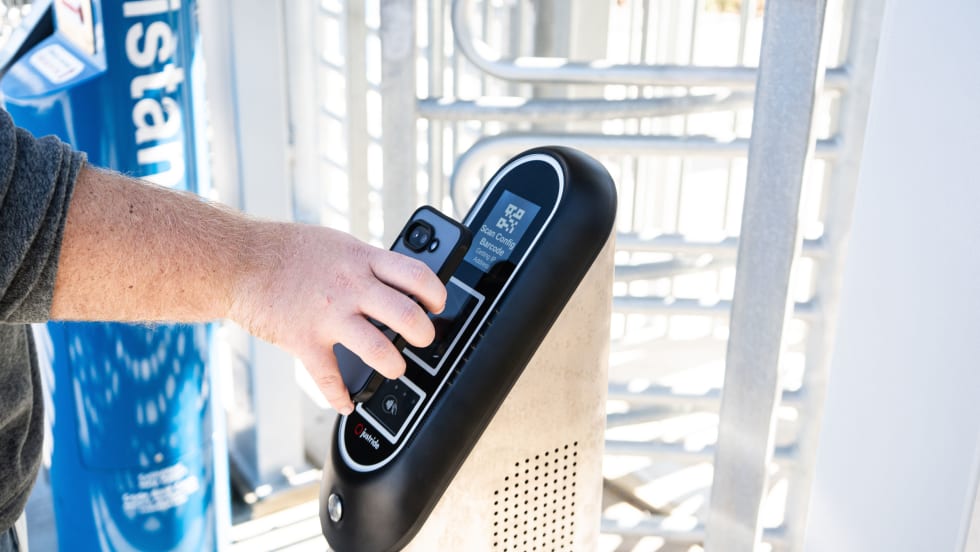
Biz Briefs: Masabi Teams with St. Louis Metro and More
In METRO's latest installment, we take a look at recent news from Transdev, Hitachi, and more partnerships making headlines across the transportation sector.
Read More →
New York MTA Leverages Zoning Program to Advance Station Accessibility
Accessibility enhancements at Nevins St Station will be financed through a development agreement tied to the MTA's Zoning for Accessibility initiative.
Read More →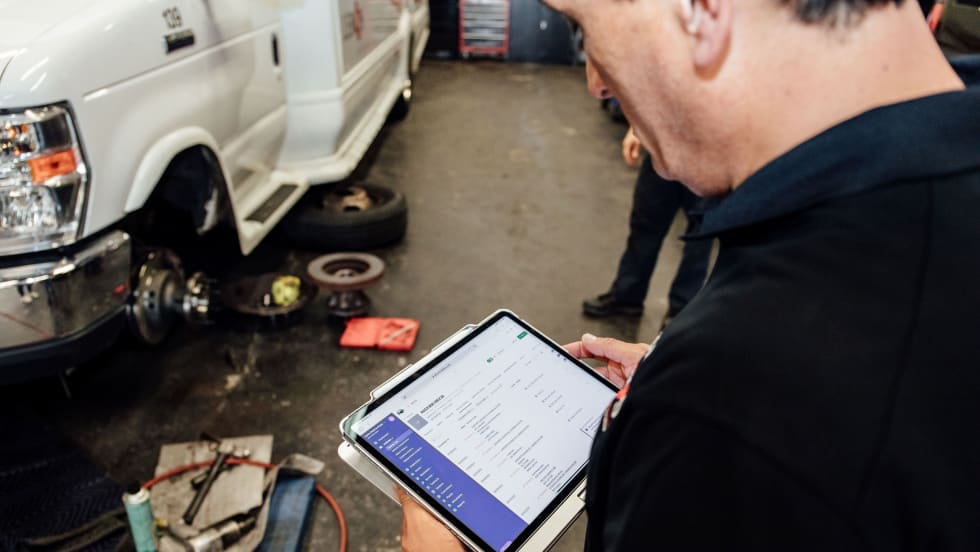
Reinventing Fleet Maintenance with Real-time Visibility and AI
Transit leaders need to know what needs fixing, where to look, who is responsible, when work is completed, and what it costs without having to chase information across disconnected systems.
Read More →
SamTrans Sets Priorities for Potential Connect Bay Area Revenue
The board-approved framework allocates future funding to maintaining service, rider improvements, equity initiatives, and infrastructure repairs.
Read More →