



NYC Transit tests subway countdown clocks
Unlike the more advanced system currently being turned on along the numbered lines that receives its information from the scheduled data provided by ATS (Automatic Train Supervision), this simpler system identifies train location using the signal system's track circuits and sending this information to existing equipment.

New York City Transit (NYC Transit) A- and C-Line customers headed downtown from six stations in Washington Heights and Harlem will benefit from a new pilot project testing the delivery of next train arrival information similar to that now in service along the L line and recently deployed in several Bronx stations on the 6.
While plans are in place to activate customer information signs at all of the stations on the numbered subway lines by next year, the same technology does not exist on the lettered lines. The PA/CIS (Public Address/Customer Information Screen) pilot in operation along a northern segment of the Eighth Avenue Line utilizes previously installed electronic signs in four stations, tying them in with existing infrastructure. This method eliminates the need for major capital construction and related service disruptions while allowing it to be up and running as quickly as possible.
The initial phase of the pilot will provide next train arrival information at 181st, 175th, 168th, 163rd, 155th, and 145th Street Stations. While audio announcements will be available at all six stations, Customer Information Screens will be up and running at the four southernmost stations only.
"This is another part of the initiative to offer real time train arrival information to our customers, but here we are going about it in a different manner using existing infrastructure rather than waiting for the installation of an entirely new communications system," said NYC Transit President Thomas F. Prendergast. "We looked at the equipment that was already in place and we have designed a pilot that responds to MTA Chairman Jay Walder's call to find affordable ways to make customer improvements as quickly as possible."
Unlike the more advanced system currently being turned on along the numbered lines that receives its information from the scheduled data provided by ATS (Automatic Train Supervision), this simpler system identifies train location using the signal system's track circuits and sending this information to existing equipment. Due to the limitations of the information transmitted by the signal track circuits, the demonstration pilot will provide information on train movement on a specific track only and cannot identify specific trains as the ATS system is able to do.
In stations equipped with screens, the information will transmit how many stations away the train is along with the estimated length of time to arrive. For example: "Train 2 stations away. Approximately 2 minutes." Information for the express track begins being transmitted to stations downtown as the train approaches 181st Street. Local track information transmission begins at 168th Street.
If this first pilot is successful and well received, the agency will look to implement it at other stations on the lettered lines. Additionally, other pilots that will test different technology options are currently being investigated.
More Rail
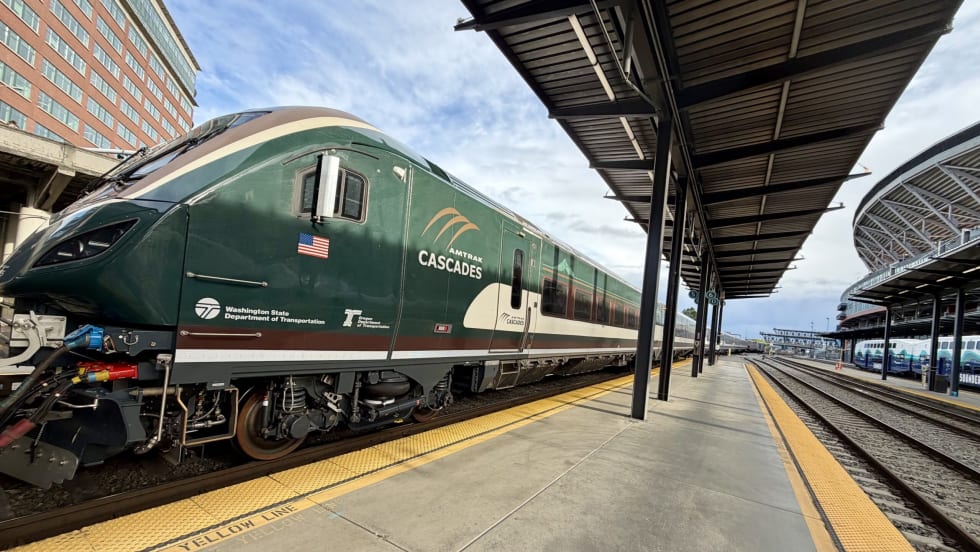
FRA Announces $5.3B in Rail Investments, Including $2B for Amtrak
Funding will support grade-crossing improvements, infrastructure upgrades, and new Amtrak equipment in 23 states.
Read More →
Finding the ‘Happy Medium’: Optimizing Maintenance Without Sacrificing Reliability
The key to maintenance optimization isn’t doing less work—it’s doing the right work at the right time on the right assets.
Read More →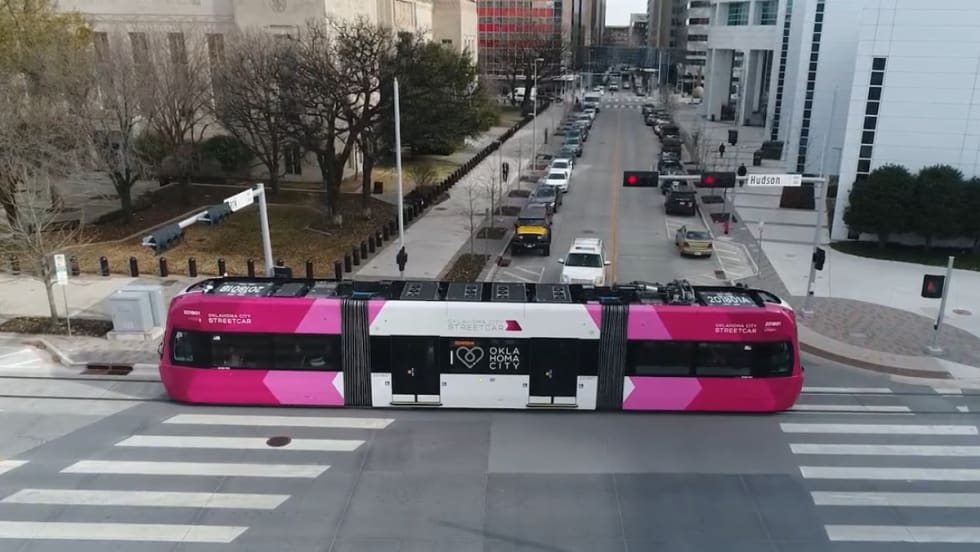
OKC Streetcar Makes Zero-Fare Service Permanent
Ridership increased an average of 71% compared with the same period a year earlier during the fare-free pilot.
Read More →
DART Customer Satisfaction Reaches Six-Year High
Overall satisfaction rose to 74.9%, while the agency’s Net Promoter Score reached a record 33.7.
Read More →
How DART's GoPass Is Redefining Regional Mobility
Serving 14 transit agencies, GoPass simplifies multimodal travel by allowing riders to plan, pay for, and manage an entire trip through one app.
Read More →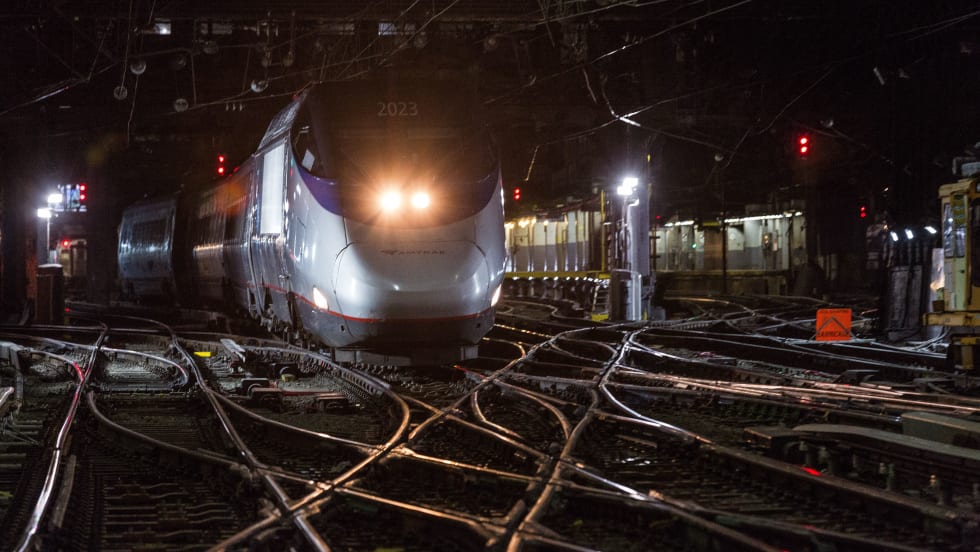
Amtrak Board Advances Plan to Restructure Organization, Seeks Public Input
The proposal, developed by Amtrak management and approved by the board for further consideration, is intended to modernize the organization's structure while improving accountability, operational efficiency, and customer service.
Read More →
Biz Briefs: STV teams with Amtrak, Motorcoach Operators Boost Fleet and Land Contracts, and More
From manufacturers and suppliers to transit agencies and motorcoach operators, these updates offer a snapshot of the projects, partnerships and business moves driving the industry forward.
Read More →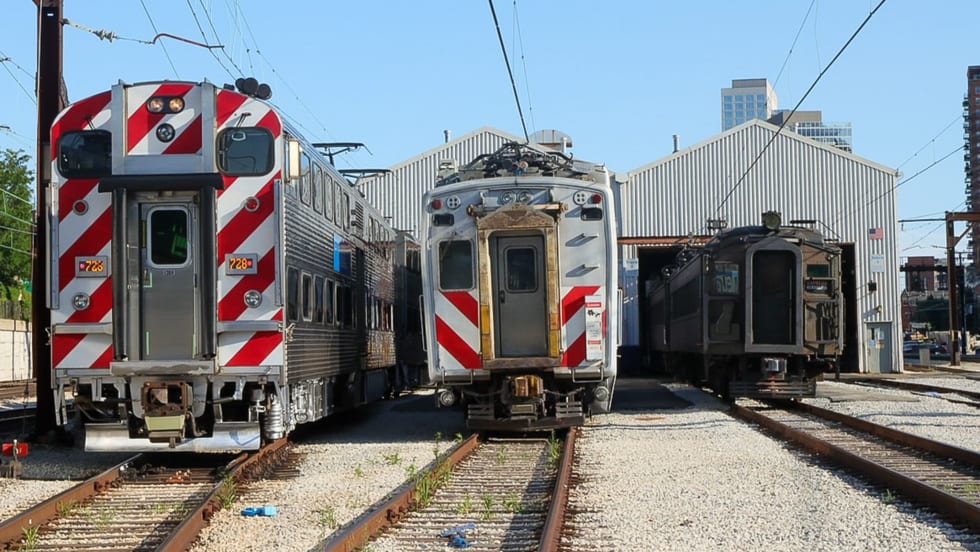
Metra Celebrates 100 Years of Electric Rail, Looks to the Future
The event was also a celebration of recent reforms to public transportation in the Chicago area, changes that could be as transformative in the future as the major civic achievement a century ago, said officials.
Read More →
LA Metro Marks Banner Year, Sets Ambitious Goals for New Fiscal Year
Incoming LA Metro Board Chair and Los Angeles Mayor Karen Bass joined outgoing Board Chair Fernando Dutra and LA Metro CEO Stephanie Wiggins to review accomplishments from fiscal year 2026, which included the opening of new rail extensions, advancement of major transit projects, expanded safety programs, and new rider amenities.
Read More →
DART Taps Nathaniel P. Ford Sr. as Next President/CEO
Since 2012, Ford has served as the CEO of the Jacksonville Transportation Authority
Read More →