



NYCT testing turbine-powered bus
The DesignLine buses, which have a capacity of either 35 or 37 seats, depending on the configuration, with 30 standees, are anticipated to have significantly reduced maintenance costs, and include a 12-year warranty on the turbine engine and lithium-ion battery pack, eliminating the need for midlife replacement.

The Metropolitan Transportation Authority's New York City Transit has rolled out a turbine-powered DesignLine hybrid-electric low-floor bus, the first of an eight-bus order set for a 90-day evaluation. The small bus order is part of the agency's ongoing effort to examine new technology that will help reduce emissions and provide more economical and environmentally friendly service.
The key feature of the DesignLine bus is a diesel turbine engine, replacing the diesel piston engine that powers the majority of buses in NYC Transit's 4,600-bus fleet. The turbine produces AC power, which in turn charges the battery that then powers the motor that drives the wheels. In addition, like the rest of the hybrid fleet, the new bus has regenerative braking, which recharges the batteries each time the bus operator makes a brake application.
Other features include an efficient and long-lasting interior LED lighting system, a contactless sensor system for air assist rear exit doors, a flip-out ramp for wheelchairs by the front entrance and disc brakes at all wheels.
The DesignLine buses, which have a capacity of either 35 or 37 seats, depending on the configuration, with 30 standees, are anticipated to have significantly reduced maintenance costs, and include a 12-year warranty on the turbine engine and lithium-ion battery pack, eliminating the need for midlife replacement. They also do not require oil changes.
A similar 35-foot long bus was successfully operated in Manhattan and Queens for a 30-day period back in the fall of 2007. This current evaluation is the second-phase test of a greater number of buses, built to NYC Transit specifications. Structural testing is currently under way as part of the New Bus Qualification program as well as in-service testing.
Upon completion of this test period, NYC Transit will make recommendations to the manufacturer as to what features we would like to see improved or modified. The base order for these buses is 30 with an option to purchase 60 additional buses, if test results are positive.
More Bus
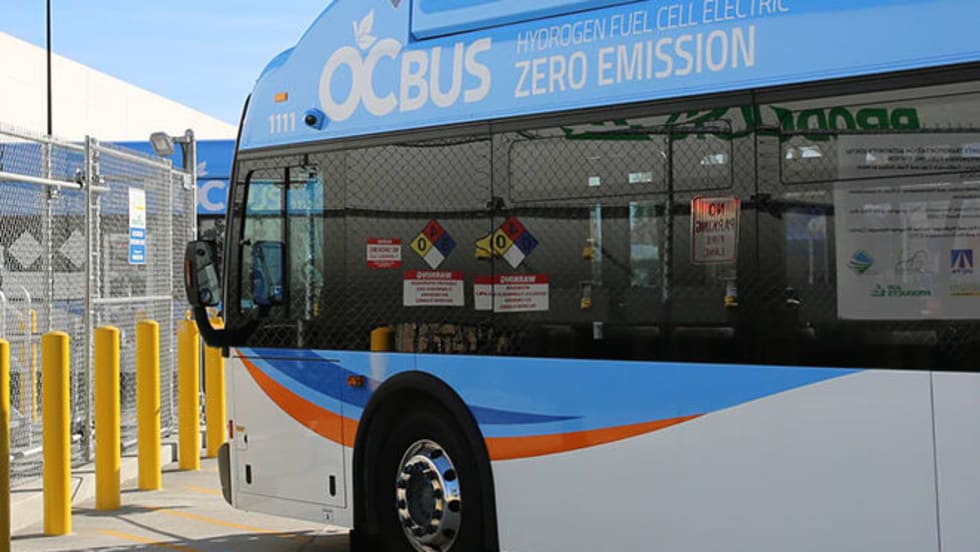
Biz Briefs: OCTA Taps Clean Energy for Hydrogen Station, Stadler to Supply Via Rail Vehicles, and More
From manufacturers and suppliers to transit agencies and motorcoach operators, these updates offer a snapshot of the projects, partnerships and business moves driving the industry forward.
Read More →
METRO Magazine Announces 2026 Innovative Solutions Awards Winners
Projects Recognized for Advancing Mobility Through Technology, Accessibility, Workforce Innovation, and Operational Excellence
Read More →
Biz Briefs: STV teams with Amtrak, Motorcoach Operators Boost Fleet and Land Contracts, and More
From manufacturers and suppliers to transit agencies and motorcoach operators, these updates offer a snapshot of the projects, partnerships and business moves driving the industry forward.
Read More →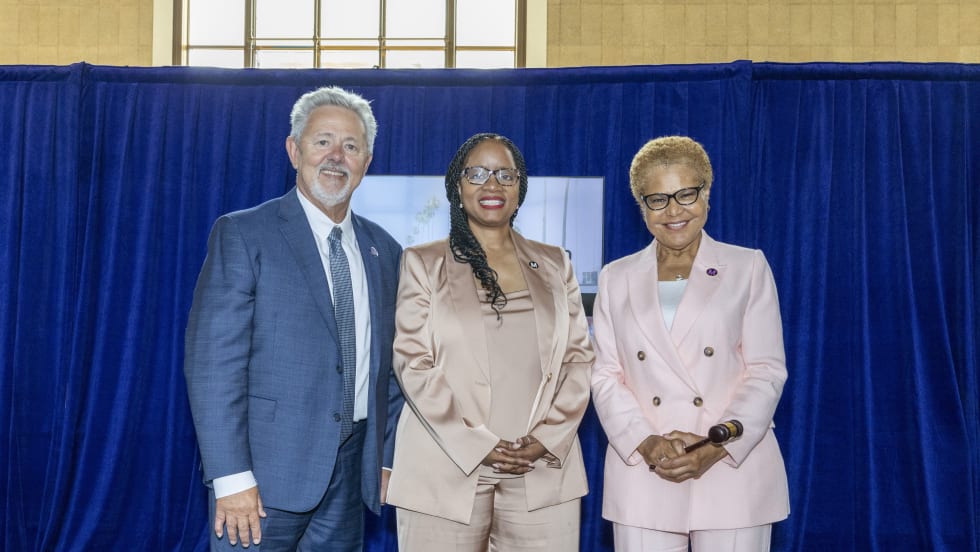
LA Metro Marks Banner Year, Sets Ambitious Goals for New Fiscal Year
Incoming LA Metro Board Chair and Los Angeles Mayor Karen Bass joined outgoing Board Chair Fernando Dutra and LA Metro CEO Stephanie Wiggins to review accomplishments from fiscal year 2026, which included the opening of new rail extensions, advancement of major transit projects, expanded safety programs, and new rider amenities.
Read More →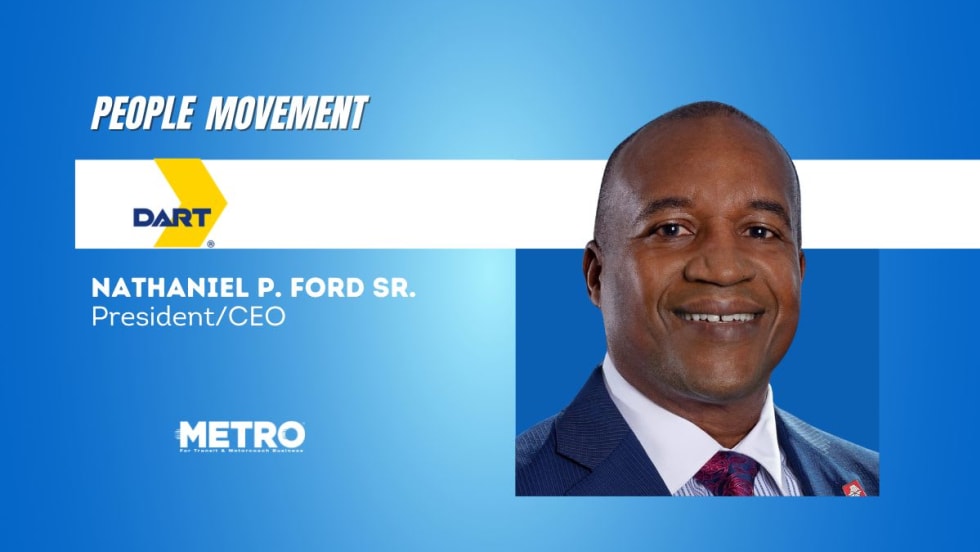
DART Taps Nathaniel P. Ford Sr. as Next President/CEO
Since 2012, Ford has served as the CEO of the Jacksonville Transportation Authority
Read More →
AC Transit’s Cecil Blandon on Building the Next Generation of Transit Maintenance Leaders
The agency’s maintenance chief discusses leadership, workforce development, zero-emission technology, and preparing technicians for the future of public transportation.
Read More →
Building the Next Generation of Transit Technology
In this edition of METROspectives, Luminator CEO Magnus Friberg discusses the company's transformation, the growing role of AI and software, and what's next for transit technology.
Read More →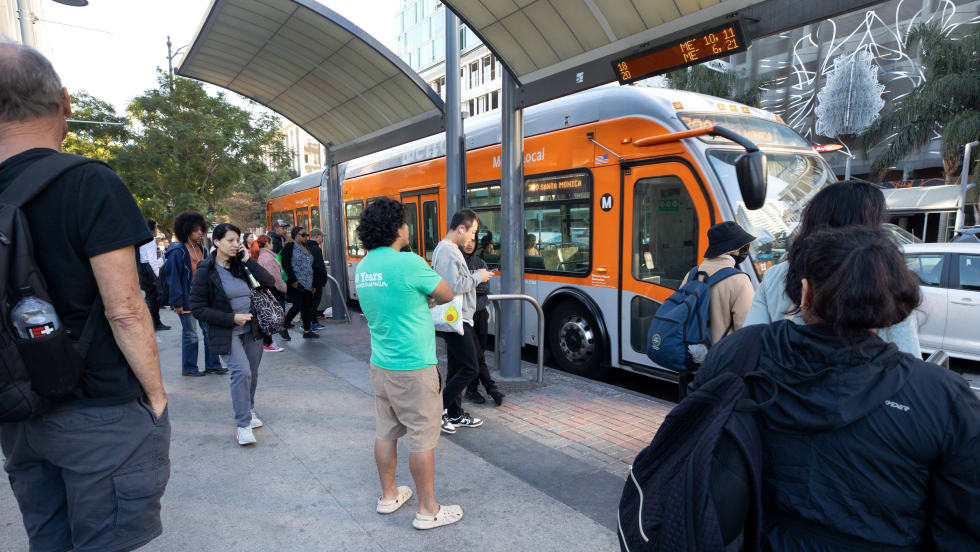
June LA Metro Ridership Surges 2 Million Year Over Year
Total June ridership increased for both weekdays and weekends. Weekday ridership was 953,820, which grew 8.4% from June 2025; Saturdays increased nearly 13% year-over-year to 708,826; and Sundays increased 7.7% to 611,534 from June 2025, according to LA Metro.
Read More →
Washington's Pierce Transit Board Sends Transit Funding Measure to November Ballot
With the adoption of Resolution 2026-006, the measure moves to the Pierce County Auditor, giving voters in the Pierce Transit service area the decision on whether to fund an expansion of local transit service within the agency’s service area.
Read More →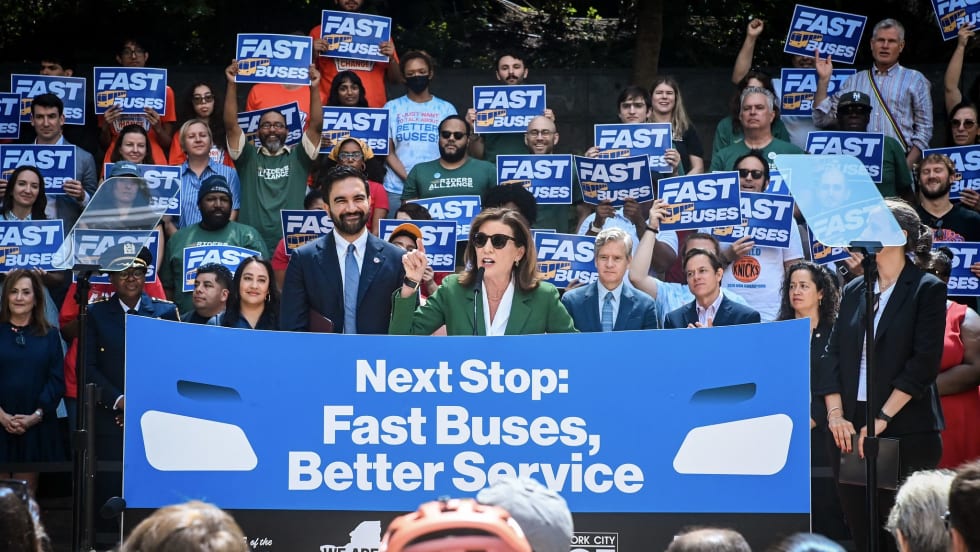
New York Unveils Sweeping Plan to Modernize City Bus Service
Next Stop: Fast Buses, Better Service identifies 50 priority bus corridors for improvements across the five boroughs and launches the City’s next generation of rapid bus service along five key routes.
Read More →