




Read More: Keolis to Operate Fixed-Route Bus Services for OCTA
OCTA Unveils $57B Transportation Plan
OCTA develops a Long-Range Transportation Plan every four years.
June 6, 2023

The plan establishes transportation priorities and addresses five key factors likely to influence planning for the next 20 years.
Photo: OCTA
2 min to read
California's Orange County Transportation Authority recently approved a $57 billion plan that will serve as a blueprint for how people move throughout the county for the next two decades, according to OCTA's news release.
OCTA develops a Long-Range Transportation Plan every four years, taking into consideration changing demographics, anticipated growth in travel demand, shifting travel patterns, and emerging technology.
“OCTA has earned a strong reputation for delivering a reliable and sustainable transportation system for Orange County by continually looking at current and future needs,” said OCTA Chairman Gene Hernandez. “This is a great example of that kind of planning ensuring we successfully prepare for a diverse transportation future, with considerable input from the public and collaboration with our community partners.”
Key Factors of OCTA's Plan
The plan establishes transportation priorities and addresses five key factors likely to influence planning for the next 20 years, including:
Growing travel demand and a built-out roadway system
Evolving travel needs
Increasing climate-related risks
Changing funding with the sunset of the Measure M half-cent sales tax in 2041
Ensuring a fair and equitable transportation system for all.
OCTA Seeking Input
The amount of funds to carry out the 2045 Preferred Plan is projected at about $57.3 billion, while revenues for transportation between now and 2045 are estimated at $52.4 billion.
That leaves about a $5 billion shortfall. So, the plan recommends developing a strategy to identify funding sources that could offset the 2041 sunset of the Measure M transportation sales tax.
The LRTP identifies projects to improve roadways, public transit, and bike paths while considering evolving technologies.
To help shape the plan, OCTA sought and received extensive input from the community, including:
Collecting more than 8,300 surveys in multiple languages
Hosting 25 community briefings and roundtables
Engaging more than 15,000 community members at community events
Promoting the effort via social media and targeted ads, viewed approximately 540,000 times.
The plan will be submitted to the Southern California Association of Governments, where it will serve as Orange County’s input into the Regional Transportation Plan, the guiding document for regional transportation planning in Southern California.
More Management

Pierce Transit Moves to Expand Fleet Following Proposition 1 Approval
The agency authorized the purchase or refurbishment of up to 60 buses to support a 47% service expansion, as voters nationwide approved billions in new transit funding.
Read More →
Right-Sizing Rural Transit: Lessons from North Grenville’s On-Demand Model
A small municipality shows how flexible service, rider needs, and public accountability can expand mobility with limited resources.
Read More →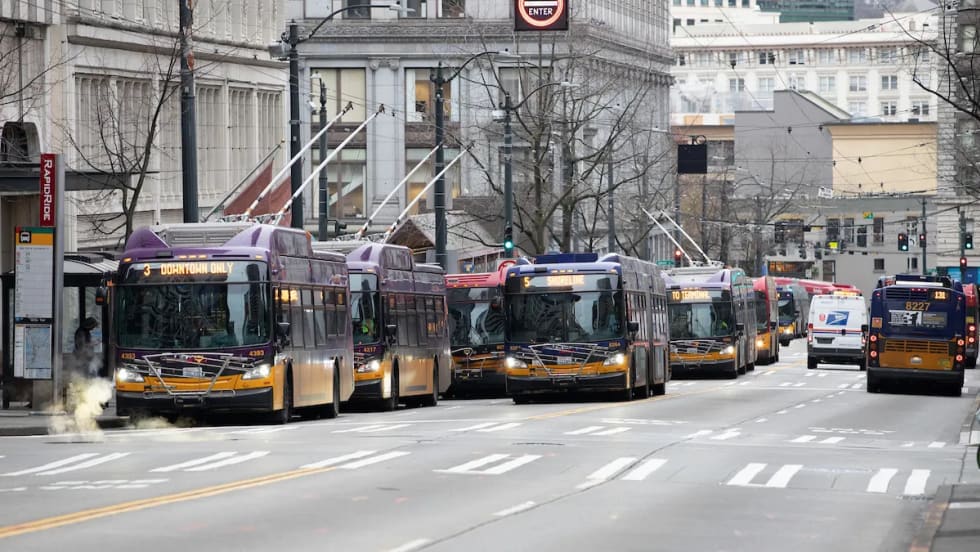
Transit Ballot Victories Signal Strong Voter Support: What Comes Next?
Voters approved billions in public transportation investments in 2026, giving agencies opportunities to preserve service, expand operations, and strengthen regional connections amid a changing political landscape.
Read More →
Transit Expands Agency Partnerships, Reaching 200 Official App Partners
COO Jake Sion discusses Transit’s growth, the success of its Transit Royale program, and how technology is helping agencies improve the rider experience.
Read More →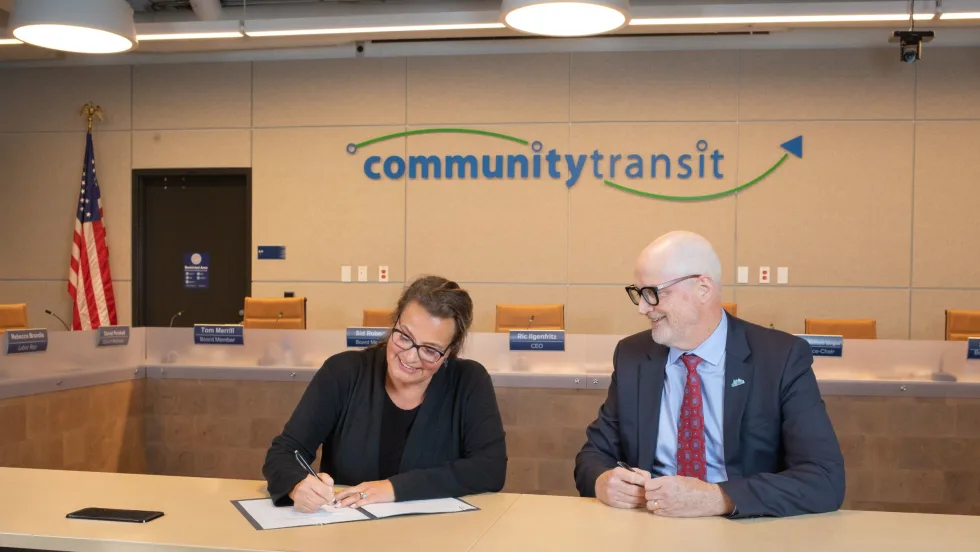
Everett Transit, Community Transit Approve Consolidation of Services
The agreement will bring Everett Transit into Community Transit’s network in April 2027, with plans to increase bus service by 50% by 2031 and expand regional connections.
Read More →
NITA Proposes $5B Operating Budget, $9.7B Capital Program for 2027
The proposed budget includes funding for expanded transit service, safety initiatives, fleet upgrades, and infrastructure improvements across CTA, Metra, and Pace.
Read More →
Financing, Fleet Replacement Requires a More Strategic Approach
Executives from ABC Companies and MCI discuss how rising costs, changing market conditions, and post-pandemic challenges are prompting motorcoach operators to rethink financing strategies, fleet replacement cycles, and long-term planning.
Read More →
Bringing Austin’s First Light Rail System to Life
Austin Transit Partnership CEO Greg Canally discusses the city's nearly 10-mile light rail project, its collaborative approach to project delivery, the importance of community engagement, and the milestones ahead as construction approaches in 2027.
Read More →
ETA CEO John Maglio on Transit Technology, Innovation, and Building Agency Trust
ETA founder and CEO John Maglio explores the evolution of transit technology, the importance of reliable systems, and how stronger partnerships can help agencies improve operations and the passenger experience.
Read More →
Metra Draft Plan Outlines Costs, Service Improvements for Regional Rail
The Systemwide Network Plan identifies infrastructure needs and potential investments to expand all-day, bidirectional rail service across the Chicago region.
Read More →