



Ohio DOT tabs $15M for clean-fuel bus purchase
The historic direct investment will purchase 41 environmentally friendly, clean-fuel buses for eleven local and regional transit authorities across the state.

COLUMBUS, Ohio — Aimed at increasing the use of alternative fuels to connect Ohio’s cities and decreasing the operational costs facing Ohio’s transit agencies, the Ohio Department of Transportation (ODOT) is making an historic $15 million direct investment to purchase 41 environmentally friendly, clean-fuel buses for eleven local and regional transit authorities across the state.
“Never before has ODOT made this type of direct investment in our state’s transit agencies to bolster our commitment to promoting travel choice and cleaning the air we breathe,” said ODOT Director Jolene M. Molitoris. “In our larger cities, many of our transit partners are already making these environmentally friendlier investments. ODOT’s efforts will further leverage these investments — both in our urban and rural regions — to create a safer, greener, more multi-modal transportation system.”
ODOT’s $15 million Clean and Green Transit Program was part of the 2010-2011 State Transportation Budget approved by the Ohio Legislature and signed by Governor Strickland last Spring.
The agency received nearly $33 million in applications from local and regional transit authorities across the state. With the $15 million dollars in state funding appropriated under the Clean and Green Transit Program, 41 clean-fuel vehicles will be awarded to eleven local and regional transit authorities.
The largest investment will be made in the Toledo area. ODOT will partner with the Toledo Area Regional Transit Authority to purchase eight new 40-foot diesel-electric hybrid buses.
Investments are also being made in Ohio’s rural transit systems, including eight light transit vehicles and smaller buses.
Receiving new environmentally friendlier buses under this ODOT program will be:
Akron Regional Transit Authority ($2 million) - 4 hybrid electric/diesel 40 ft. buses
Central Ohio Transit Authority ($1.2 million) - 2 hybrid electric/diesel 40 ft. buses
Clermont Transportation Connection ($750,000) - 2 diesel 40 ft. buses
Greater Dayton Regional Transit Authority ($2.3 million) -4 hybrid electric/diesel 40 ft. buses
Miami County Public Transit ($150,000) - 2 diesel light transit vehicles
Portage Area Regional Transportation Authority ($375,000) - 5 diesel light transit vehicles
Southwest Ohio Regional Transit Authority ($1.9 million) - 3 hybrid electric/diesel 40 ft. buses
Springfield City Area Transit ($684,320) - 4 hybrid electric/diesel 30 ft. buses
Stark Area Regional Transit Authority ($2.3 million) - 6 biodiesel 30-35 ft. buses
Toledo Area Regional Transit Authority ($3.3 million) - 8 biodiesel 30-35 ft. buses
Washington County/CABL ($75,000) - 1 diesel 30 ft. bus
In Ohio’s cities, public transit reduces congestion, improves air quality, and drives economic activity. According to an ODOT analysis, sixty percent of urban transit trips are work related. In Ohio’s rural areas — where more than half of the riders are senior citizens or people with disabilities — public transit provides access to health care, education and opportunity, according to an agency statement.
More Bus

Study: Denver RTD Generates $2.1 Billion in Annual Economic Activity
An economic impact study finds the agency supports approximately 17,500 jobs, delivers $1.6 billion in annual community and mobility benefits, and generates $2.42 in economic value for every dollar invested.
Read More →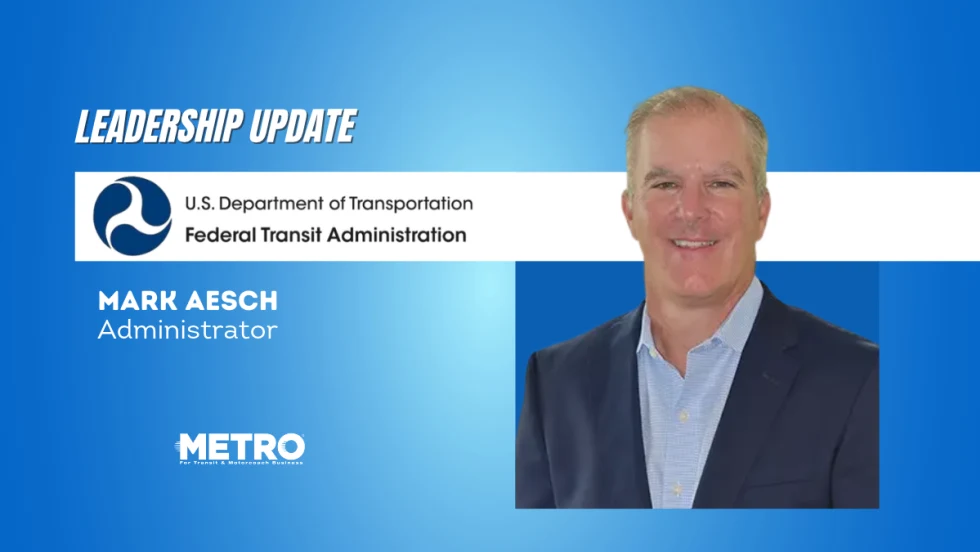
Mark Aesch Nominated to Lead Federal Transit Administration
The former Rochester transit chief and TransPro founder, who has also contributed to METRO Magazine, brings decades of industry experience and a focus on performance, accountability, and financial sustainability to the nomination.
Read More →
Pierce Transit Moves to Expand Fleet Following Proposition 1 Approval
The agency authorized the purchase or refurbishment of up to 60 buses to support a 47% service expansion, as voters nationwide approved billions in new transit funding.
Read More →
Transit Expands Agency Partnerships, Reaching 200 Official App Partners
COO Jake Sion discusses Transit’s growth, the success of its Transit Royale program, and how technology is helping agencies improve the rider experience.
Read More →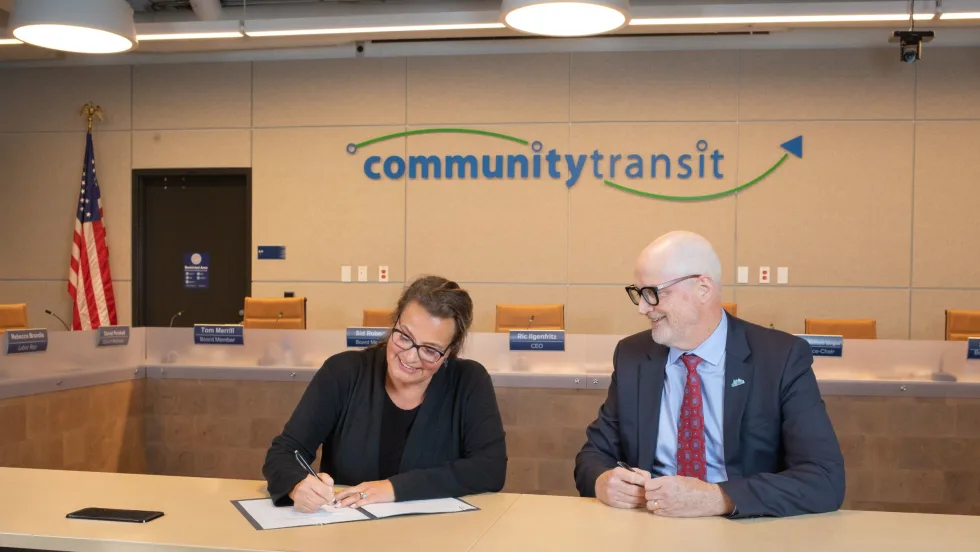
Everett Transit, Community Transit Approve Consolidation of Services
The agreement will bring Everett Transit into Community Transit’s network in April 2027, with plans to increase bus service by 50% by 2031 and expand regional connections.
Read More →
Brian Dickson on Building Stronger, More Resilient Transportation Organizations
Bus Business Consultants Founder Brian Dickson discusses the leadership principles, operational discipline, and strategic planning that separate transportation companies positioned for long-term success from those stuck in survival mode.
Read More →
LA Metro Breaks Ground on Vermont BRT Project
The 12.4-mile corridor is projected to serve 66,200 daily riders, reduce travel times by up to 24%, and create the nation's busiest bus rapid transit corridor.
Read More →
Roman Cornell on ABC Companies’ Evolution and the Future of Passenger Transportation
The company’s CEO discusses carrying forward a third-generation family legacy, ABC’s continued evolution in passenger transportation, support for increasingly complex fleets, and how technology and continued investment could help operators improve uptime.
Read More →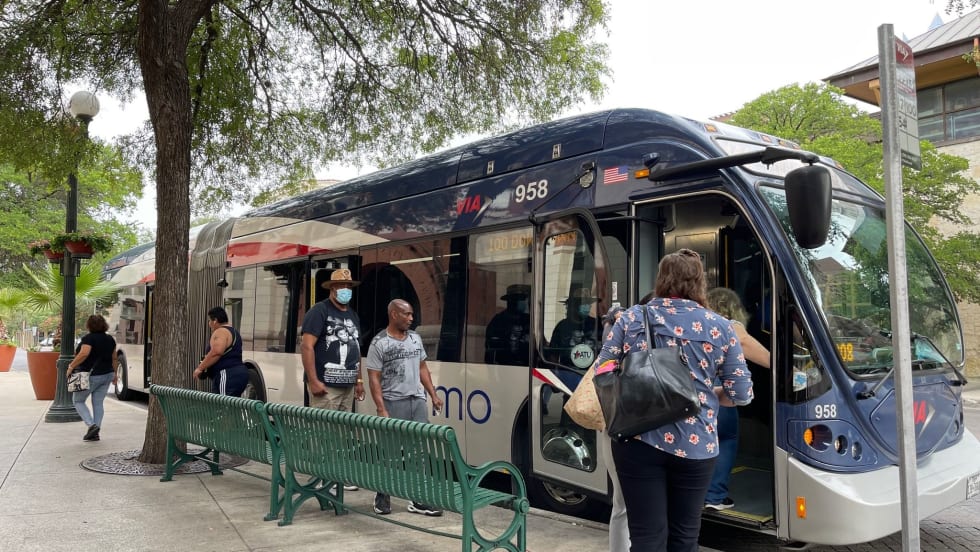
VIA Bus Ridership Grows 10.1% Through August 2026
San Antonio's VIA Metropolitan Transit reported the highest bus ridership growth among major Texas transit systems. Federal Transit Administration data ranked it second among the nation's 50 largest transit systems.
Read More →
LA Metro September Ridership Climbs 3.9%, Led by Rail Growth
The agency recorded more than 27.2 million boardings, with rail ridership increasing 12.4% year over year and the D Line posting the largest gains.
Read More →