



CTDOT Launches Four-Station Upgrades on Waterbury Line
Construction on all four stations is beginning now and is anticipated to be completed by spring 2028.

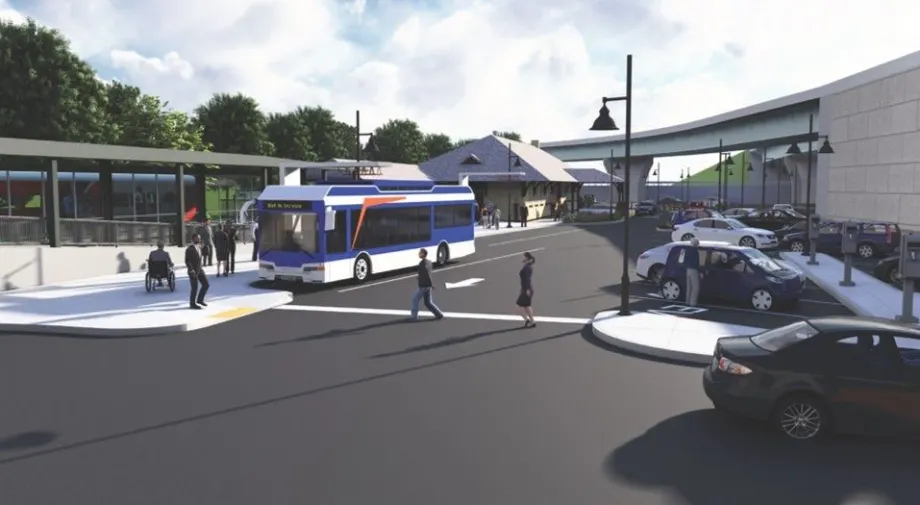
The projects are part of a broader statewide initiative to upgrade all six stations along the Waterbury Branch Line between 2025 and 2028 at an estimated cost of $193 million.
CTDOT
- Connecticut Department of Transportation (CTDOT) has initiated upgrades on four stations along the Waterbury Line.
- Construction efforts for these station enhancements are underway.
- The expected completion date for the station upgrades is spring 2028.
*Summarized by AI
Connecticut Governor Ned Lamont and CTDOT announced the start of construction on major upgrades to four stations on the Metro-North Waterbury Branch Line, located in Derby-Shelton, Ansonia, Beacon Falls, and Seymour.
Construction on all four stations is beginning now and is anticipated to be completed by spring 2028.
CTDOT Station Upgrades
The upgrades will transform these stations with new 350-foot platforms designed to accommodate full train boarding, along with covered canopies and enclosed windscreens to improve comfort in all weather. Stations will feature real-time arrival information, ticket vending, improved lighting, and clear wayfinding. Each location will be ADA accessible, with better pedestrian access and safer passenger flow.
In Derby, the project will restore the vacant historic station building to provide indoor waiting space and add new bus bays to strengthen connections with local transit services, creating a more seamless regional hub.
The projects are part of a broader statewide initiative to upgrade all six stations along the Waterbury Branch Line between 2025 and 2028 at an estimated cost of $193 million.
Led by CTDOT, the program is modernizing a critical regional rail corridor with safer, more accessible, and more reliable infrastructure for riders.
“For too long, riders on the Waterbury Branch Line have been making do with aging and inaccessible infrastructure. That changes now,” Gov. Lamont said. “These investments are about more than improved stations; they’re about giving working families in the Naugatuck Valley the same quality of service that riders elsewhere take for granted, and building the kind of connected, affordable communities that keep people here.”
What’s Next?
To support construction, rail service on the Waterbury Branch Line will be temporarily replaced by bus service from July 20, 2026, through May 31, 2027.
Because the line operates on a single track, major work at the Ansonia and Beacon Falls stations cannot be completed safely while trains are running. This includes shifting the track to align with new, longer platforms.
The outage also allows CTDOT to advance bridge, signal, and infrastructure upgrades between Stratford and Bridgeport, where the Waterbury Branch Line connects to the New Haven Line.
Coordinating this work, which is under the Track Improvement Mobility Enhancement for Connecticut (TIME FOR CT) Program, reduces the need for future disruptions and keeps the overall project on schedule, said officials.
By completing these efforts together, the state expects to save more than $47 million and shorten the Waterbury Station improvements by approximately one year. These savings are driven in large part by using a single extended outage to complete both the station track work and the TIME for CT improvements, officials said.
Quick Answers
Construction on all four stations is currently underway.
*Summarized by AI
More Bus

More Than a Summer Job: Building the Next Generation of Transit Talent
The Delaware River Port Authority and PATCO have transformed their internship program into a hands-on professional development experience that introduces students to the breadth of transportation careers — and creates a pipeline for future employees.
Read More →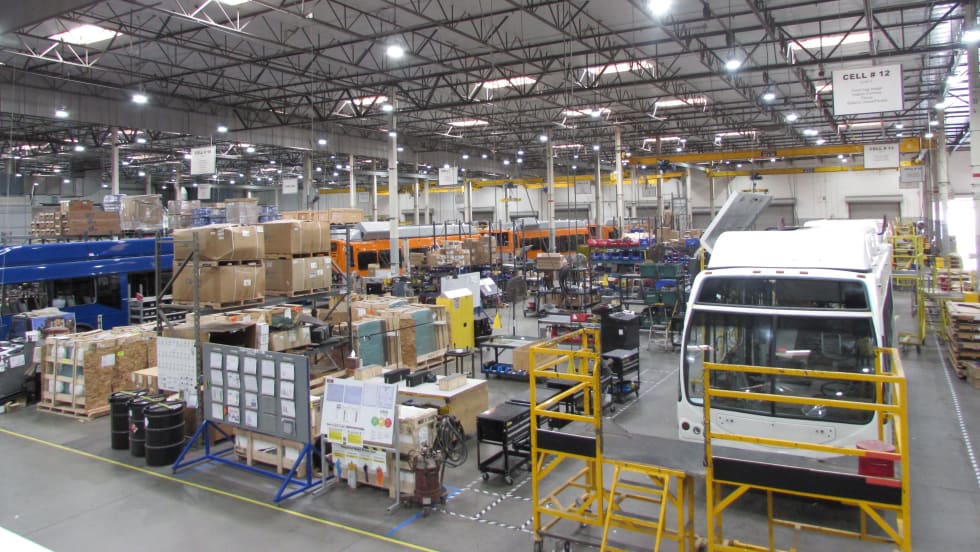
LA Metro Board Awards 220 Battery-Electric Bus Contract to ENC
The contract, which is the largest base award of battery-electric buses by a U.S. transit agency, will be built in Southern California, sustaining good jobs as LA prepares to welcome the world in 2028
Read More →
Public Transit Conference Returning to GFX in 2027, Call for Papers Now Open
The Call for Papers is now open, allowing transit agency professionals and industry experts to help shape the PTC educational program by submitting session ideas for consideration.
Read More →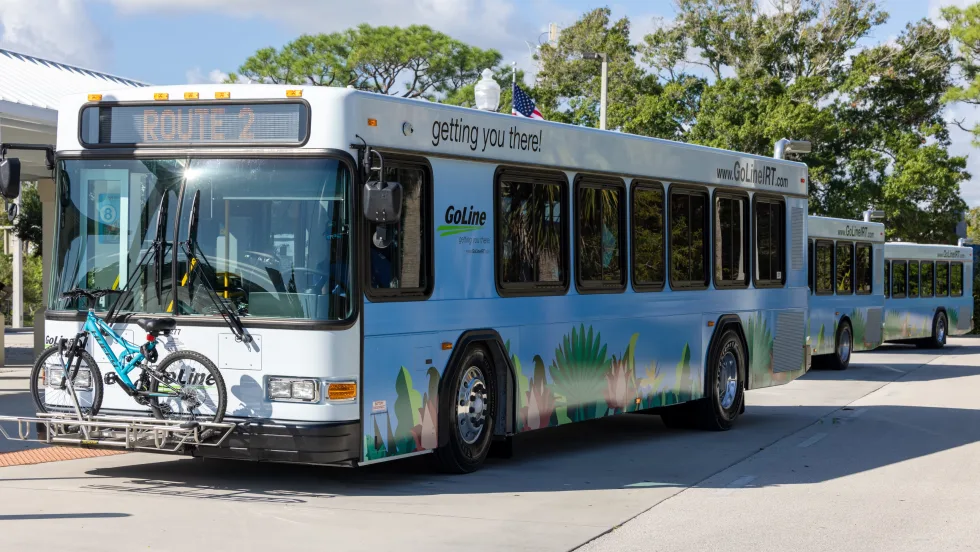
Indian River Transit’s Community-Focused Approach Earns National Recognition
Named APTA’s 2026 Outstanding Public Transportation System in its size category, Florida’s Indian River County transit system continues to grow ridership through fare-free service and a focus on evolving community needs.
Read More →
ENC Lands MATA Contract and More in Biz Briefs
In this edition of Biz Briefs, we spotlight the latest developments shaping the future of mobility.
Read More →
From Surviving to Thriving: Building Stronger Transportation Organizations
Bus Business Consultants founder Brian Dickson shares lessons on leadership, organizational health, and creating options for long-term success in a changing transportation industry.
Read More →
Everett Transit, Community Transit Outline Consolidation Agreement
The proposed agreement calls for a 50% increase in bus service in Everett, a new microtransit zone, continued paratransit service, and the transfer of Everett Transit operations to Community Transit.
Read More →
SEPTA Details Accelerate Vision for Transit System
The plan outlines investments in trolley modernization, new Metro and Regional Rail vehicles, accessible stations, and more frequent bus and rail service.
Read More →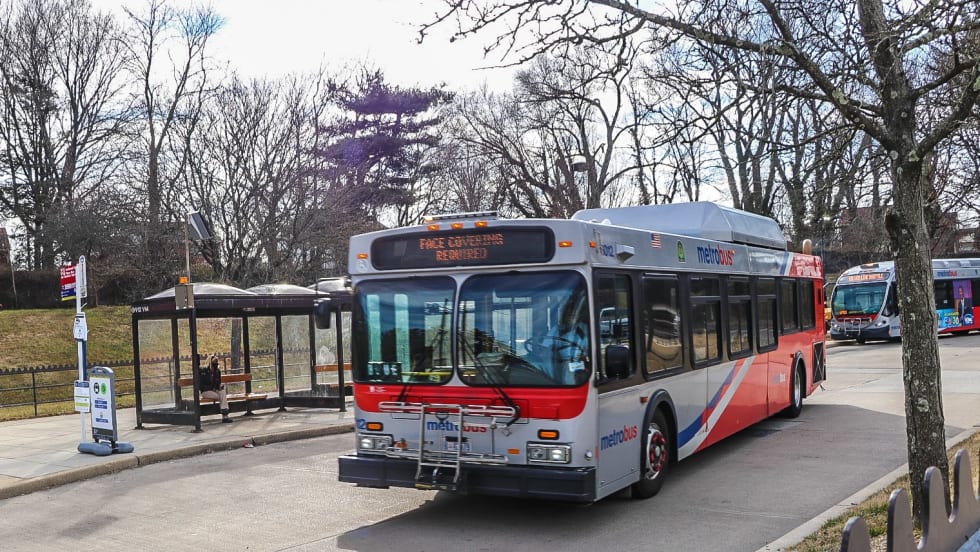
Report: Transit Bus Manufacturing Supports 34,100 Jobs, $5.1B in GDP
The “Buses Mean Business” report examines the transit bus manufacturing industry’s economic footprint, supply chain, and rising demand for vehicle replacements.
Read More →
Biz Briefs: New Flyer Delivers in Columbus, Houston, Beep and Freebee Merge, and More
In this edition of Biz Briefs, we spotlight the latest developments shaping the future of mobility.
Read More →