



Oklahoma State U. adds 3 MCI D4500 CNGs
Beyond valuing the environmental benefits, OSU likes the lower costs associated with CNG and the riding comfort of the MCI D4500 coach.

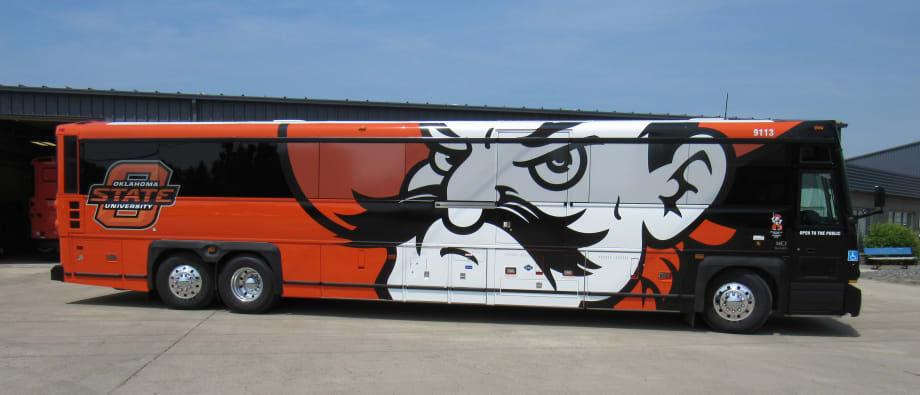
Oklahoma State University (OSU) added three new CNG MCI D4500 coaches, equipped with wheelchair lifts and Wi-Fi, to serve the university’s Big Orange Bus (BOB) transit system, which shuttles students, faculty, staff and the public between the university's Stillwater and Tulsa campuses.
“It’s a big milestone: We're the first in the state to have a bus fleet that is completely CNG,” said Tom Duncan, Oklahoma State University transit service manager, crediting BOB service with increases in employment, educational opportunities and attendance at OSU’s Tulsa campus. “The majority of ridership is tied to the university, but residents and travelers to the area find the service convenient because we connect with Greyhound and Tulsa International Airport. And the free Wi-Fi allows riders to take care of business while they commute, rather than spending hours driving.”
Beyond valuing the environmental benefits, OSU likes the lower costs associated with CNG and the riding comfort of the MCI D4500 coach.
“While the cost of CNG varies, the target we’re working off of is $1.50 a gallon, which should save us about $100,000 a year,” said Duncan. “Our drivers like the steerable tag axle and rear-raise on the coach. We haven’t been shy about driving the coaches around while training our drivers and the graphics attract a lot of attention.”
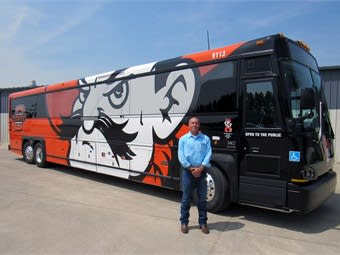
Indeed, it’s hard to miss a bright orange bus that’s emblazoned with an image of Pistol Pete, OSU’s mascot. But even less flashy MCI D4500s have attracted attention around the country, thanks to the model’s highway-dedicated design, low total cost of operation and top reliability, with fewer failures per vehicle than all other types of buses. Passenger like the model’s forward-facing seating, reading lights, airflow controls, 110-volt outlets, Wi-Fi connectivity and three-point passenger seatbelts.
The Big Orange Bus travels a 71-mile route between Stillwater and Tulsa Monday through Friday. The system is self-sustaining through bus fares and state and federal funds.
OSU has a Ride System smartphone app that displays bus routes and real-time locations, along with estimated arrival times at each stop. The university uses Twitter to announce delays and route changes, texting information related to passengers’ specific stops.
Altogether, OSU operates 24 CNG vehicles on a system that includes fixed route, shuttle and paratransit service. As the school year gets underway, Duncan said he expects to transport 6,000 passengers a day system wide.
More Bus
Brian Dickson on Building Stronger, More Resilient Transportation Organizations
Bus Business Consultants Founder Brian Dickson discusses the leadership principles, operational discipline, and strategic planning that separate transportation companies positioned for long-term success from those stuck in survival mode.
Read More →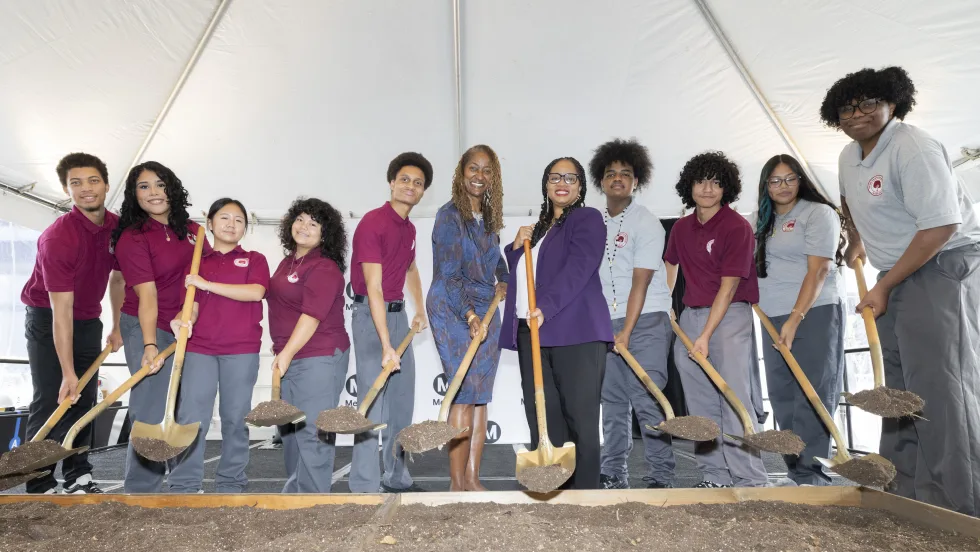
LA Metro Breaks Ground on Vermont BRT Project
The 12.4-mile corridor is projected to serve 66,200 daily riders, reduce travel times by up to 24%, and create the nation's busiest bus rapid transit corridor.
Read More →
Roman Cornell on ABC Companies’ Evolution and the Future of Passenger Transportation
The company’s CEO discusses carrying forward a third-generation family legacy, ABC’s continued evolution in passenger transportation, support for increasingly complex fleets, and how technology and continued investment could help operators improve uptime.
Read More →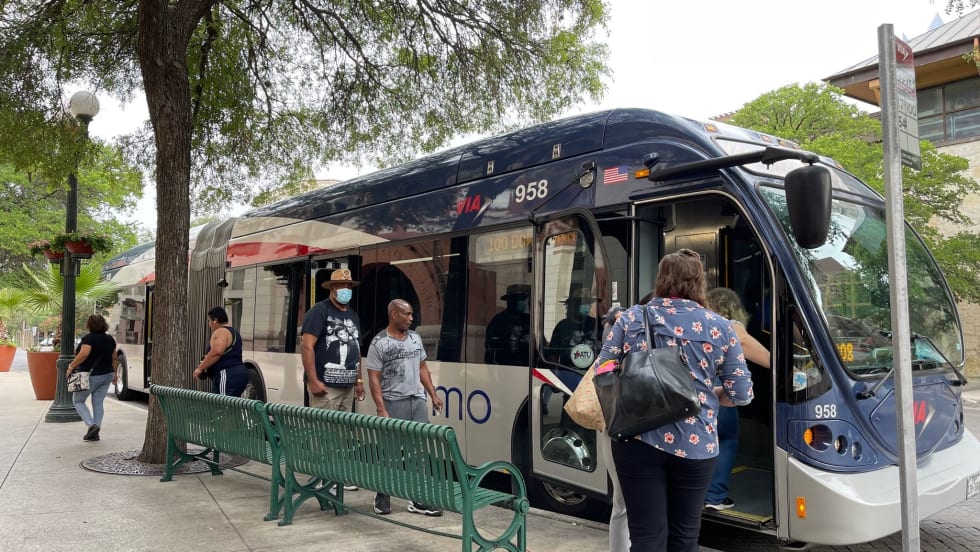
VIA Bus Ridership Grows 10.1% Through August 2026
San Antonio's VIA Metropolitan Transit reported the highest bus ridership growth among major Texas transit systems. Federal Transit Administration data ranked it second among the nation's 50 largest transit systems.
Read More →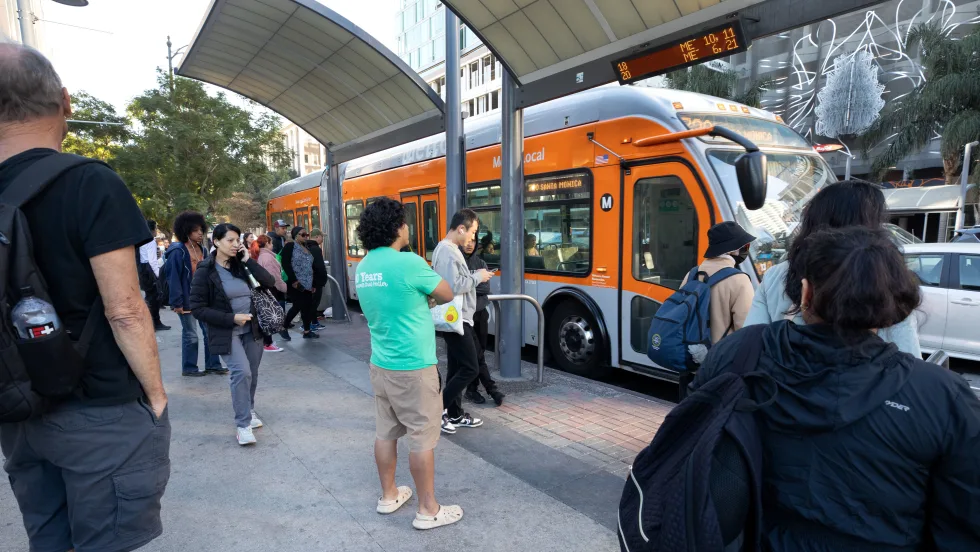
LA Metro September Ridership Climbs 3.9%, Led by Rail Growth
The agency recorded more than 27.2 million boardings, with rail ridership increasing 12.4% year over year and the D Line posting the largest gains.
Read More →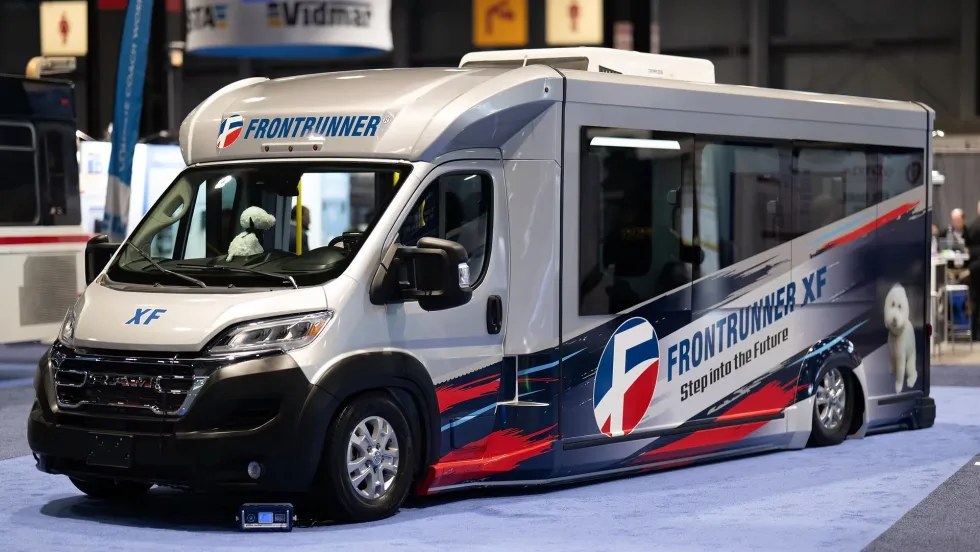
Frontrunner Bus Group Introduces XF Low-Floor Bus with Enhanced Accessibility
The new mid-sized bus features a full flat-floor design, eight-inch curbside step-in height, and zero-entry rear ramp to improve passenger access and operational flexibility.
Read More →
Scenes from APTA TRANSform & EXPO 2026
Transit leaders, manufacturers, and industry professionals gathered in Chicago to explore new technologies, share ideas, and discuss the future of public transportation.
Read More →
More Than a Summer Job: Building the Next Generation of Transit Talent
The Delaware River Port Authority and PATCO have transformed their internship program into a hands-on professional development experience that introduces students to the breadth of transportation careers — and creates a pipeline for future employees.
Read More →
LA Metro Board Awards 220 Battery-Electric Bus Contract to ENC
The contract, which is the largest base award of battery-electric buses by a U.S. transit agency, will be built in Southern California, sustaining good jobs as LA prepares to welcome the world in 2028
Read More →
Public Transit Conference Returning to GFX in 2027, Call for Papers Now Open
The Call for Papers is now open, allowing transit agency professionals and industry experts to help shape the PTC educational program by submitting session ideas for consideration.
Read More →