



Partnership to build 'hyperloop-like' high-speed system in Denver
The Arrivo system will propel vehicles and cargo through an electro-magnetic superhighway using magnetic levitation and electric power.


Once in place, the system will turn a trip from Denver to Boulder, which can take more than an hour during rush hour, into an eight-minute trip. Arrivo expects the test track to be completed by 2021
Flickr user: Larry Johnson http://www.flickr.com/people/drljohnson

DENVER — Arrivo, a transportation company startup led by a former Hyperloop One executive, and the Colorado Department of Transportation announced plans to build a series of high-speed transportation routes, CNBC reports.
The Arrivo system will propel vehicles and cargo through an electro-magnetic superhighway using magnetic levitation and electric power. Unlike the Hyperloop, which pushes pods through a vacuum tube at speeds of up to 600 mph, the Arrivo system in Colorado will move people to their destinations at much lower speeds.
Once in place, the system will turn a trip from Denver to Boulder, which can take more than an hour during rush hour, into an eight-minute trip. Arrivo expects the test track to be completed by 2021. For the full story, click here.
More Technology
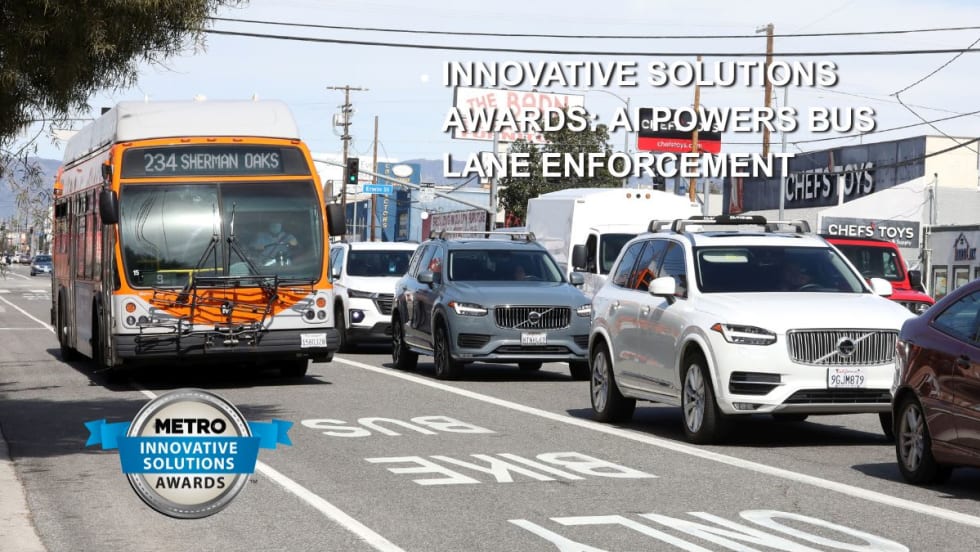
LA Metro, City of West Hollywood, and Partners Advance Smarter Bus Lane Enforcement
The award-winning partnership combines AI-powered detection with human oversight to improve bus reliability, accessibility, and enforcement efficiency.
Read More →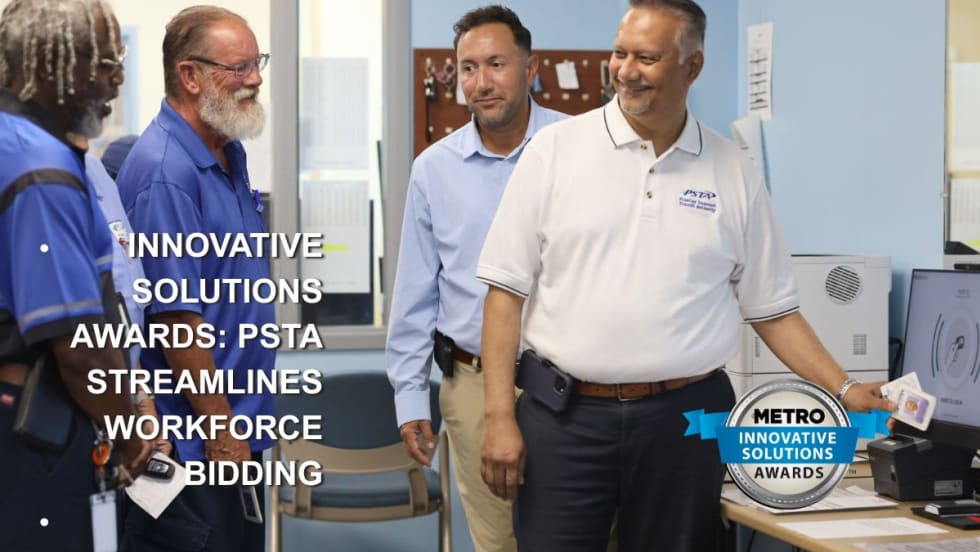
PSTA Modernizes Workforce Management with Digital Bidding System
The award-winning Workforce Transit Modernization project replaced paper bidding with a transparent digital platform, cutting administrative effort while improving access for operators.
Read More →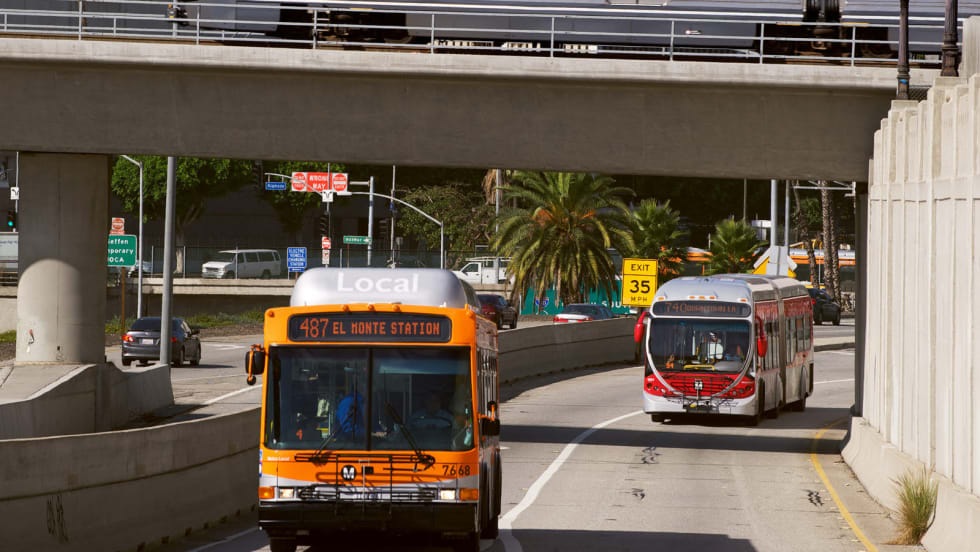
New Tricks for Old Bureaucracies: Joshua Schank on Making Transit Innovation Stick
Former LA Metro Chief Innovation Officer Joshua Schank discusses why good ideas aren't enough, how transit agencies can overcome resistance to change, and why today's challenges demand more innovation.
Read More →
How Data, Strategy, and Community Engagement Are Reshaping Transit
In this edition of METROspectives, strada360 CEO Steve Lassey discusses how transit agencies can better align planning with operations, leverage data to improve decision-making, and build public trust as they prepare for the future of mobility.
Read More →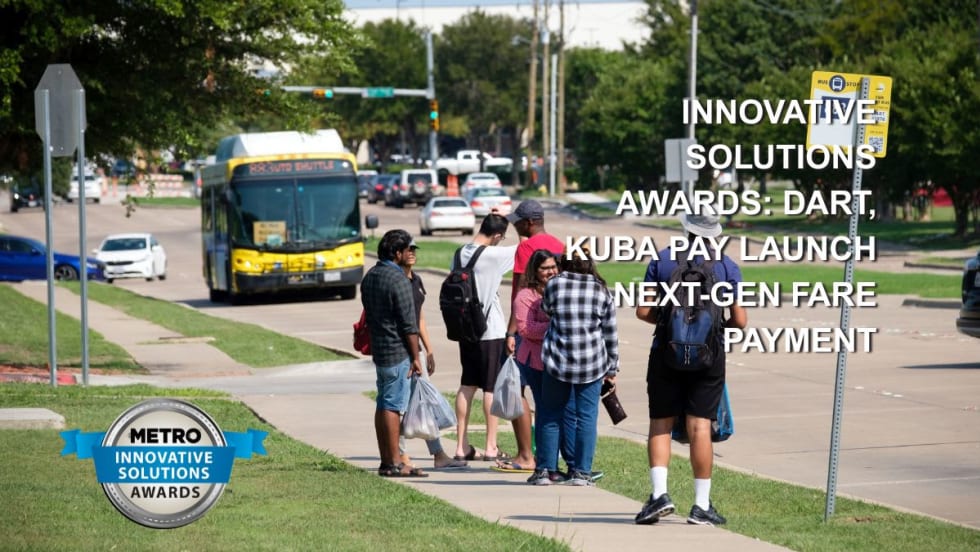
How DART's GoPass Is Redefining Regional Mobility
Serving 14 transit agencies, GoPass simplifies multimodal travel by allowing riders to plan, pay for, and manage an entire trip through one app.
Read More →
Turn Transit Data Into Action
Discover how leading agencies are using connected technology to gain real-time visibility across operations, improve service reliability, and reduce disruptions.
Read More →
Biz Briefs: OCTA Taps Clean Energy for Hydrogen Station, Stadler to Supply Via Rail Vehicles, and More
From manufacturers and suppliers to transit agencies and motorcoach operators, these updates offer a snapshot of the projects, partnerships and business moves driving the industry forward.
Read More →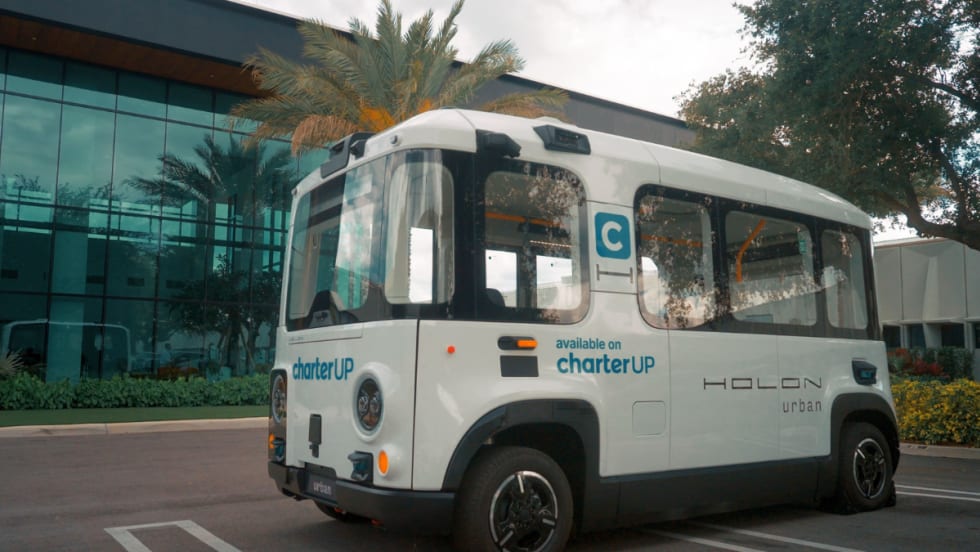
CharterUP Expands Into New Mobility and Autonomous Transportation
Vice President of New Mobility Stephen Joos discusses how CharterUP is leveraging its nationwide transportation network, technology platform, and autonomous vehicle partnerships to expand into workforce mobility, campus shuttles, and transit solutions.
Read More →
METRO Magazine Announces 2026 Innovative Solutions Awards Winners
Projects Recognized for Advancing Mobility Through Technology, Accessibility, Workforce Innovation, and Operational Excellence
Read More →
Cummins Introduces Phased Model Year 2027 Launch Strategy
According to officials, the approach is designed to maintain regulatory compliance, support customer production schedules, and provide additional time to ramp production in a disciplined manner that helps ensure a successful transition for the industry.
Read More →