



PERC Urges Industry to 'Prepare with Propane'
October 7 marks the fourth annual National Propane Day, and this year’s theme, “Prepare with Propane,” is a reminder of propane autogas’s reliability, said PERC officials.

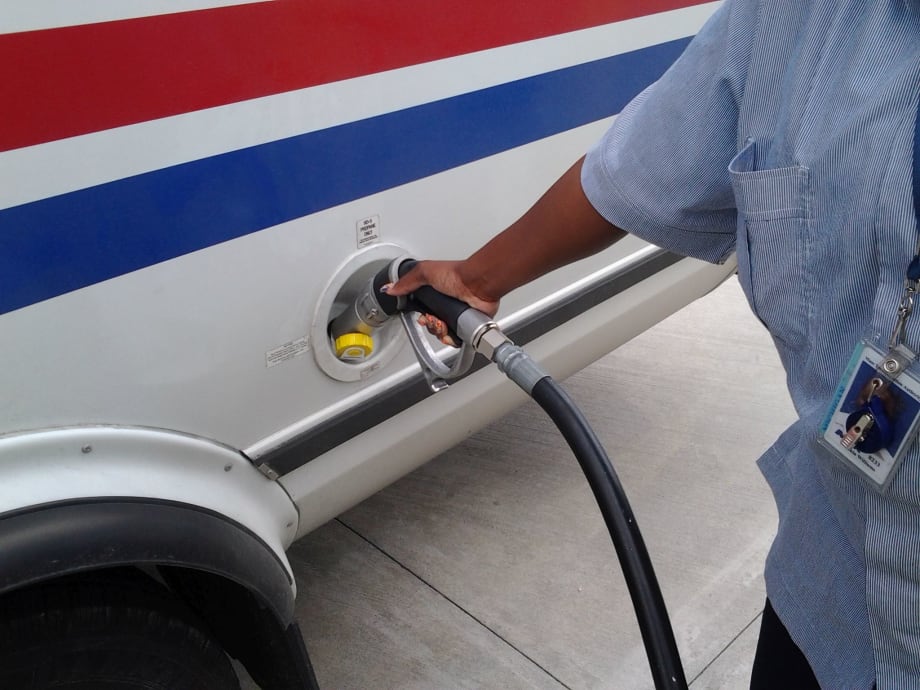
Because propane autogas is stored on site, never degrades, and isn’t reliant on the power grid for distribution, it remains ready even during widespread power disruptions, say PERC officials.
Photo: ROUSH CleanTech
As concern for energy reliability surges nationwide, the Propane Education & Research Council (PERC) is marking National Propane Day by encouraging fleet owners to explore propane autogas as a reliable, on-site energy solution that can support greater peace of mind during power outages or severe weather.
October 7 marks the fourth annual National Propane Day, and this year’s theme, “Prepare with Propane,” is a reminder of propane autogas’s reliability, said PERC officials.
A recent report from the U.S. Department of Energy warns that blackouts in the U.S. could increase 100-fold by 2030 as the electric grid struggles to meet growing demand.
For fleet owners that rely on a rigid energy source, that could mean the difference in responding during an emergency, ensuring children make it home from school, or keeping critical supplies moving. Because propane autogas is stored on site, never degrades, and isn’t reliant on the power grid for distribution, it remains ready even during widespread power disruptions, officials said.
“As someone who spent years managing school transportation, I understand firsthand how critical it is to keep vehicles moving,” said Joel Stutheit, senior manager, autogas business development, at PERC. “When a fleet goes down, everything stops. Propane autogas gives fleet owners a level of control that other energy sources can’t. It’s dependable, affordable, and always ready, no matter what’s happening with the grid.”
Propane’s Usage as Reliable, Sustainable Fuel
Today, more than 60,000 propane autogas vehicles are in operation across the U.S., providing reliable service to transit agencies, delivery companies, emergency response fleets, utility crews, and other organizations.
The energy source is not only resilient but also clean, producing up to 96% fewer nitrogen oxides (NOx) emissions than diesel. It offers lower fuel and maintenance costs, supports better air quality, and contributes to more consistent uptime, said PERC.
In addition to propane autogas vehicles, the energy source is also helping electric fleets become more resilient with propane-powered EV charging systems. Powered by a propane generator, and in some cases wind and solar, these off-grid charging solutions can be installed in remote locations, disaster zones, or depots without permanent infrastructure, ensuring vehicles stay charged even when the grid is down.
Now in its fourth year, National Propane Day is not only a celebration of propane’s energy benefits, but also a moment to recognize the propane professionals who make clean transportation possible.
“From bobtail delivery drivers who make sure customers have energy when they need it to propane autogas service technicians that keep vehicles operating safely on the road, National Propane Day is also a celebration of them,” said Joel Stutheit. “We depend on these professionals to keep clean, reliable transportation running every day. Their dedication is what helps fleets stay prepared, no matter what challenges come their way.”
More Technology

From Hardware to Digital Partner: Luminator Charts Its Next Chapter
CEO Magnus Friberg discusses Luminator’s shift toward becoming a digital partner, the growing importance of software and interoperability, and how AI can help agencies improve operations and passenger experience.
Read More →
Beyond the Checklist: A Structured Approach to Transit Maintenance
Reliability-Centered Maintenance helps transit agencies move beyond routine checklists to focus limited resources on the assets and failures that have the greatest impact on safety, reliability, and service.
Read More →
NJ TRANSIT Advances Bus Technology Upgrades Across Statewide Fleet
More than 1,500 buses now feature upgraded technology designed to improve arrival predictions and provide free Wi-Fi, with deployment expected to reach nearly 2,000 buses by the end of 2026.
Read More →

Building a Flexible Path to Transit Electrification
John Hroncich discusses BAE Systems’ modular and scalable approach, lessons learned from decades of real-world operations, and how agencies can identify electrification strategies that fit their fleets.
Read More →
Biz Briefs: Alstom Lands Canadian Contract, LYT to Supply California TSP, and More
In METRO's latest installment, we take a look at recent news from Complete Coach Works, Beep, FlixBus, and more partnerships making headlines across the transportation sector.
Read More →
From Legacy Silos to Conversational Intelligence
What if transit leaders could ask any operational question and get a trusted answer in seconds? Conversational AI is transforming how agencies use their data.
Read More →
USDOT Announces Rail Vehicle Replacement Grants, Chattanooga AV Shuttle Funding
More than $191 million in federal funding will help three transit agencies replace aging rail vehicles and support a new autonomous shuttle service in Chattanooga.
Read More →
Bus Tech Talk: Keeping Transit Technicians Ahead of the Technology Curve
LA Metro’s Obed Mejia discusses technician training, evolving maintenance technology, fleet replacement, and strategies for getting the most out of today’s transit fleets.
Read More →
Biz Briefs: RIPTA Unveils New Frontrunners, Clevland RTA Adds New Siemens, and More
In METRO's latest installment, we take a look at recent news from Siemens, Prevost, Dodge, and more partnerships making headlines across the transportation sector.
Read More →
Why Simulating Pedestrian Movement Has Become Essential for Modern Rail Stations
Pedestrian microsimulation is helping rail planners identify bottlenecks, test station designs, and prepare complex transit hubs for growing passenger volumes.
Read More →