Building America's Future urges Congress to include infrastructure in next COVID-19 package
Congress and the Trump Administration are considering a fifth COVID-19 response package to address the health, financial, and economic wreckage caused by the pandemic.
The leaders of Building America’s Future sent a letter to the bipartisan Congressional Leadership urging the creation of a federal capital budget to fund infrastructure investment in the next COVID-19 response package.
Congress and the Trump Administration are considering a fifth COVID-19 response package to address the health, financial, and economic wreckage caused by the pandemic. Critical to jump-starting the economy is infrastructure investment which will create thousands of much-needed jobs across the country. As concerns are being raised that the trillions of dollars currently being spent related to the crisis are adding to the national debt, the creation of a federal capital budget would help to minimize additional impact.
Ad Loading...
“Smart and strategic investments in infrastructure are what is needed to kick start America’s economy,” said Ed Rendell, former governor of Pennsylvania and Co-Chair of Building America’s Future. “This is not without precedent: the best way to do get the economy going is to follow the lead of every political subdivision in the nation, from cities, to counties, to states and create a federal capital budget. A capital budget with borrowing spreads the cost of projects over many years instead of calculating the costs up front.”
“By investing in our nation’s future now and doing so in a fiscally responsible way through a capital budget will help to re-ignite America’s economy,” said Ray LaHood, former U.S. Secretary of Transportation and Co-Chair of Building America’s Future. “The U.S. Department of Transportation estimates that 27,800 jobs are created for every $1 billion invested. These are good paying jobs for the people who need them the most.”
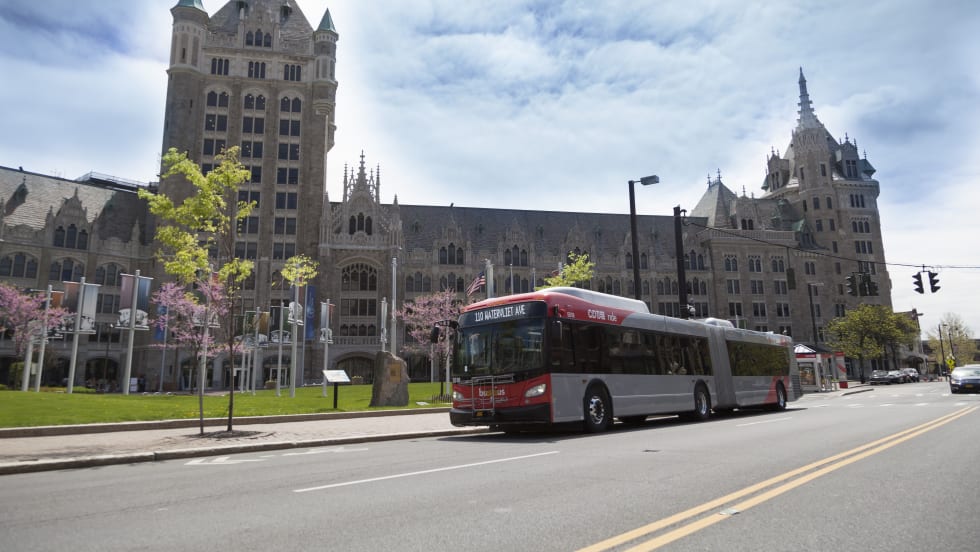
The governor’s proposed auto insurance reforms could save the agency $48 million annually by limiting payouts in crashes where buses are not primarily at fault.
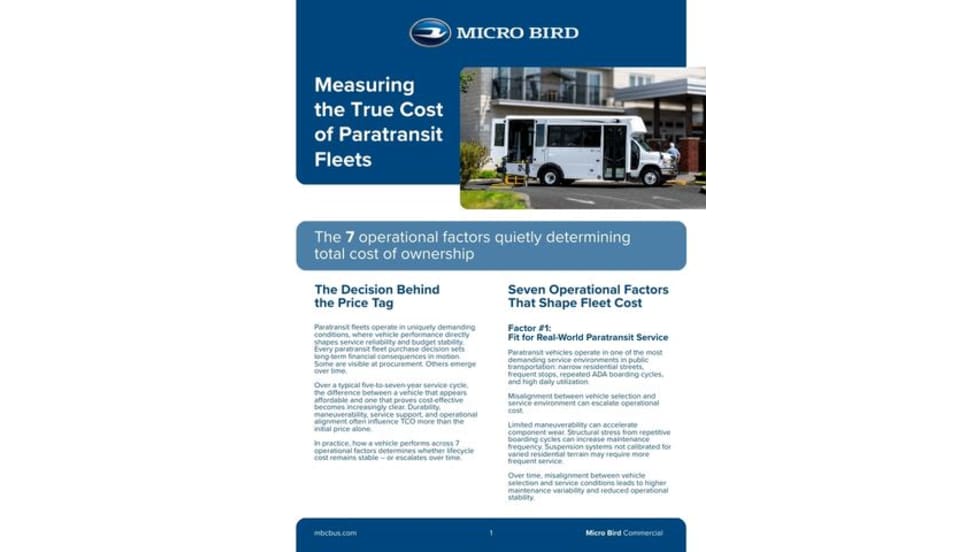
What truly drives the cost of a paratransit fleet? Beyond the purchase price, seven operational factors quietly determine maintenance frequency, downtime, and long-term service reliability. This whitepaper explores how these factors shape lifecycle cost and what agencies should evaluate when selecting paratransit vehicles.
In this conversation, TBC’s Executive Director Ed Redfern, President Corey Aldridge, and Washington Representative Joel Rubin outline the coalition’s key policy priorities, the challenges facing transit agencies, and how industry stakeholders can work together to strengthen the voice of bus transit at the federal level.
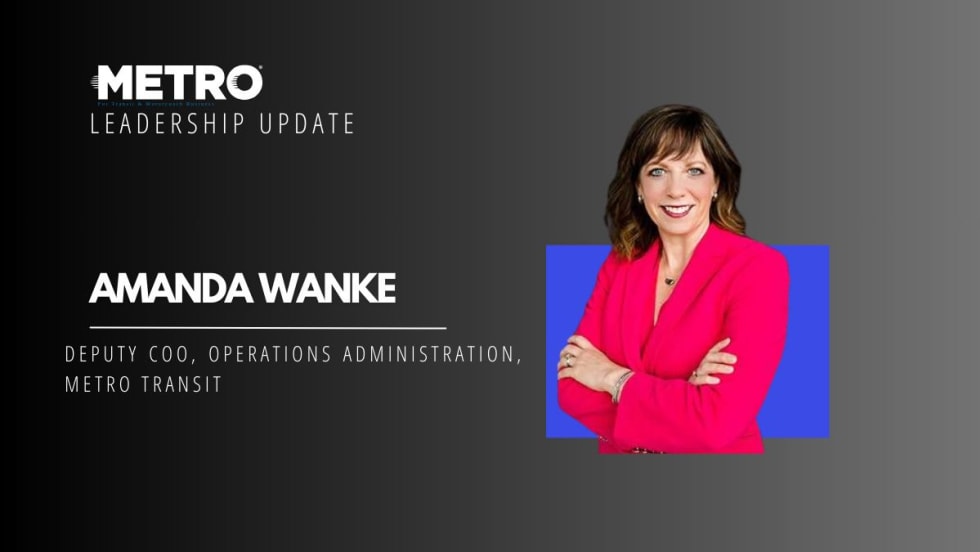
Amanda Wanke, who has worked at DART for 10 years, including the past 2½ years as CEO, will join Metro Transit as deputy chief operating officer, operations administration.
In his first State of CDTA address as CEO, Frank Annicaro highlighted the organization’s continued focus on delivering reliable service, investing in innovation, and strengthening connections across the region.
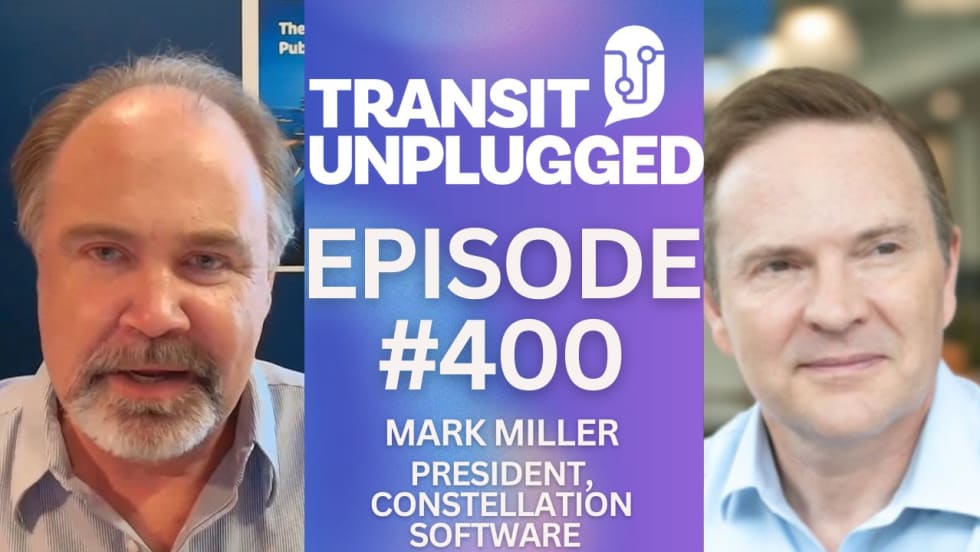
The special episode features an exclusive interview with Mark Miller, president of Constellation Software Inc. and executive chairman of the Volaris Group, who reflects on the podcast's early vision and the importance of creating a platform where transit leaders can share ideas and learn from one another.
The CAD facility enables NFI to complete full domestic production of heavy-duty transit vehicles, including zero-emission buses, in Winnipeg for the first time in 15 years.
The findings provide clear evidence that sustained Federal investment in public transit and passenger rail delivers significant returns for workers, communities, taxpayers, and the U.S. economy, APTA officials said.