



Proterra delivers milestone electric bus to San Joaquin RTD
To date, Proterra buses have completed over 3,100,000 miles in revenue service, which equates to approximately 6,000 tons of GHG emissions reduced and over $2M saved in fuel and maintenance costs, according to the company.

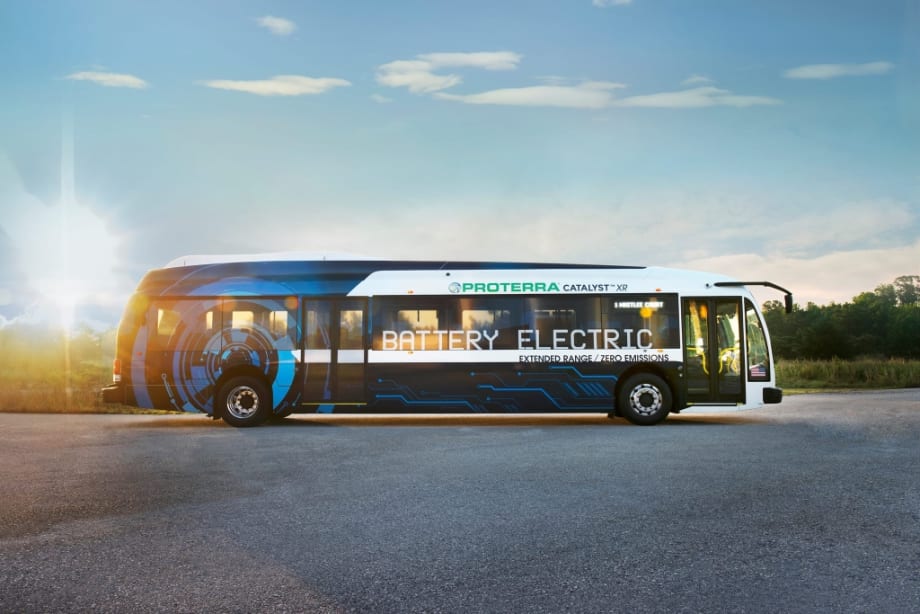
Proterra delivered its 100th battery-electric bus to the San Joaquin Regional Transit District (RTD) in Stockton, Calif.
With 36 different municipal, university, and commercial transit agency customers in 20 states from coast to coast, Proterra has now deployed its zero-emission buses in some of the nation’s most innovative cities and communities. Many of the transit agencies serving these communities have also completed third and fourth orders for Proterra® buses, including San Joaquin RTD, King County Metro in Seattle, and Foothill Transit in Pomona, Calif.
Serving more than 687,744 people in San Joaquin County, RTD has added 10 more Proterra Catalyst® battery-electric buses to its expanding fleet, bringing their total number of Proterra buses to 12. As the first agency in Northern California to operate all-electric technology, San Joaquin RTD exemplifies the growing trend among transit organizations to transition to zero-emission buses as the cost and performance benefits become clearer.
“Proterra has helped us save funds; reduce greenhouse gas emissions; and provide clean, quiet, electric transit service to residents throughout the San Joaquin Valley, so we couldn’t be prouder to share this milestone with them,” said Donna DeMartino, CEO of RTD. “At San Joaquin RTD, we see Proterra as an indispensable partner as we seek to improve air quality conditions in the Valley and to ensure that our riders have access to one of the most efficient, reliable mass transportation systems in the country.”
To date, Proterra buses have completed over 3,100,000 miles in revenue service, which equates to approximately 6,000 tons of GHG emissions reduced and over $2M saved in fuel and maintenance costs, according to the company.
On a total cost of ownership basis, these vehicles can save transit agencies up to $459,000 per bus over diesel-hybrid vehicles and up to $448,000 versus diesel vehicles over their lifetime. Combined with the environmental benefits of a more efficient technology at 21 MPGe, vs. 4 MPG for diesel, and zero tailpipe emissions, this dollars-and-cents argument for transit electrification has attracted sizeable orders from customers like Seattle’s King County Metro, which placed the largest order of battery-electric buses to date by committing to 73 Proterra vehicles.
“We’re no longer at the dawn of the electric mass transportation revolution, we’re in the midst of it, and this milestone delivery to RTD proves that Proterra continues to lead the way as the industry charges forward,” said Ryan Popple, CEO of Proterra. “As we deliver more buses, forge new partnerships and follow through on more repeat orders, we will continue to do our part as the North American market leader and will champion innovation throughout the electric mobility ecosystem.”
More Technology

From Hardware to Digital Partner: Luminator Charts Its Next Chapter
CEO Magnus Friberg discusses Luminator’s shift toward becoming a digital partner, the growing importance of software and interoperability, and how AI can help agencies improve operations and passenger experience.
Read More →
Beyond the Checklist: A Structured Approach to Transit Maintenance
Reliability-Centered Maintenance helps transit agencies move beyond routine checklists to focus limited resources on the assets and failures that have the greatest impact on safety, reliability, and service.
Read More →
NJ TRANSIT Advances Bus Technology Upgrades Across Statewide Fleet
More than 1,500 buses now feature upgraded technology designed to improve arrival predictions and provide free Wi-Fi, with deployment expected to reach nearly 2,000 buses by the end of 2026.
Read More →

Building a Flexible Path to Transit Electrification
John Hroncich discusses BAE Systems’ modular and scalable approach, lessons learned from decades of real-world operations, and how agencies can identify electrification strategies that fit their fleets.
Read More →
Biz Briefs: Alstom Lands Canadian Contract, LYT to Supply California TSP, and More
In METRO's latest installment, we take a look at recent news from Complete Coach Works, Beep, FlixBus, and more partnerships making headlines across the transportation sector.
Read More →
From Legacy Silos to Conversational Intelligence
What if transit leaders could ask any operational question and get a trusted answer in seconds? Conversational AI is transforming how agencies use their data.
Read More →
USDOT Announces Rail Vehicle Replacement Grants, Chattanooga AV Shuttle Funding
More than $191 million in federal funding will help three transit agencies replace aging rail vehicles and support a new autonomous shuttle service in Chattanooga.
Read More →
Bus Tech Talk: Keeping Transit Technicians Ahead of the Technology Curve
LA Metro’s Obed Mejia discusses technician training, evolving maintenance technology, fleet replacement, and strategies for getting the most out of today’s transit fleets.
Read More →
Biz Briefs: RIPTA Unveils New Frontrunners, Clevland RTA Adds New Siemens, and More
In METRO's latest installment, we take a look at recent news from Siemens, Prevost, Dodge, and more partnerships making headlines across the transportation sector.
Read More →
Why Simulating Pedestrian Movement Has Become Essential for Modern Rail Stations
Pedestrian microsimulation is helping rail planners identify bottlenecks, test station designs, and prepare complex transit hubs for growing passenger volumes.
Read More →