



Proterra introduces DuoPower drivetrain for Catalyst electric buses
With the DuoPower drivetrain, the Catalyst bus will now have nearly twice the horsepower and acceleration, and will be five times more efficient than a standard diesel bus.


On Monday, at the American Public Transit Association (APTA) Annual Meeting, Proterra introduced the DuoPower drivetrain for its award-winning Catalyst® battery-electric vehicles. With the DuoPower drivetrain, the Catalyst bus will now have nearly twice the horsepower and acceleration, and will be five times more efficient than a standard diesel bus. In addition, the performance of the DuoPower drivetrain represents a 20% increase in efficiency over Proterra’s standard ProDrive system.
For the Catalyst E2 max, the DuoPower drivetrain enables a nominal range of 426 miles on a single charge, which far exceeds the average distance of North American transit routes. Proterra recently tested the DuoPower drivetrain at the Navistar Proving Grounds in Indiana, achieving a world record range for an electric vehicle, where the 40-foot Catalyst E2 max traveled 1,101.2 miles on a single charge.
Having already delivered the industry’s most energy-dense batteries, Proterra is now setting new performance standards for efficiency and power. Designed for durability, Proterra’s DuoPower drivetrain features two electric motors that deliver an impressive 510 horsepower, accelerating a Catalyst bus from 0-20 mph in 4.5 seconds, while also achieving an industry-leading 26.1 MPGe. In addition, it can propel a bus up a 26% grade, which is more than twice the performance of the average 35- or 40-foot diesel bus, and 72% better than competing electric transit vehicles, making it an ideal option for transit agencies with steep hills.
“Proterra’s DuoPower drivetrain unlocks new route opportunities. The link between Salt Lake City and Park City on I-80 through Parleys Canyon is an important route for us. Now, with the new drivetrain, this is achievable with electric buses,” said Destry Pollard, Park City Transit operations team leader. “We’ve been really impressed with the way Proterra Catalyst buses have handled mountain roads, and are pleased we can provide state-of-the-art performance, while preserving local air quality here in Park City.”
“When Proterra originally introduced EV technology to the transit industry, we proved that EVs could compete with fossil fuel vehicles, and replace diesel buses in most cities. But we didn’t stop there,” said Ryan Popple, Proterra CEO. “We continued to innovate, and today we’re announcing a drivetrain that completely outperforms an internal combustion diesel or CNG engine in every major performance category – efficiency, reliability, acceleration, hill climb and passenger-carrying power. In transit, state-of-the-art vehicle performance is now defined by EV technology like our new DuoPower driveline. For fleet customers that want the very best speed, power, energy efficiency, and reliability — EV is the answer.”
More Technology
How Data, Strategy, and Community Engagement Are Reshaping Transit
In this edition of METROspectives, strada360 CEO Steve Lassey discusses how transit agencies can better align planning with operations, leverage data to improve decision-making, and build public trust as they prepare for the future of mobility.
Read More →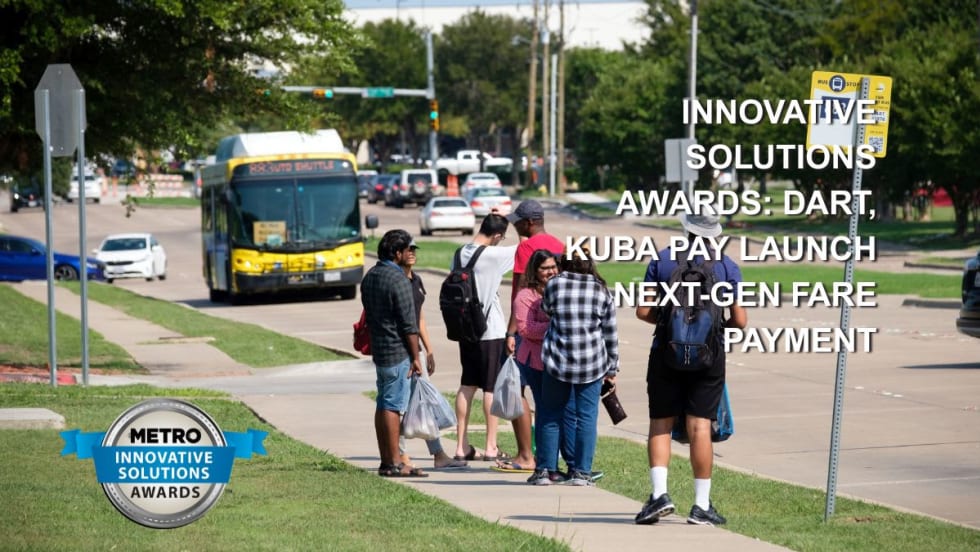
How DART's GoPass Is Redefining Regional Mobility
Serving 14 transit agencies, GoPass simplifies multimodal travel by allowing riders to plan, pay for, and manage an entire trip through one app.
Read More →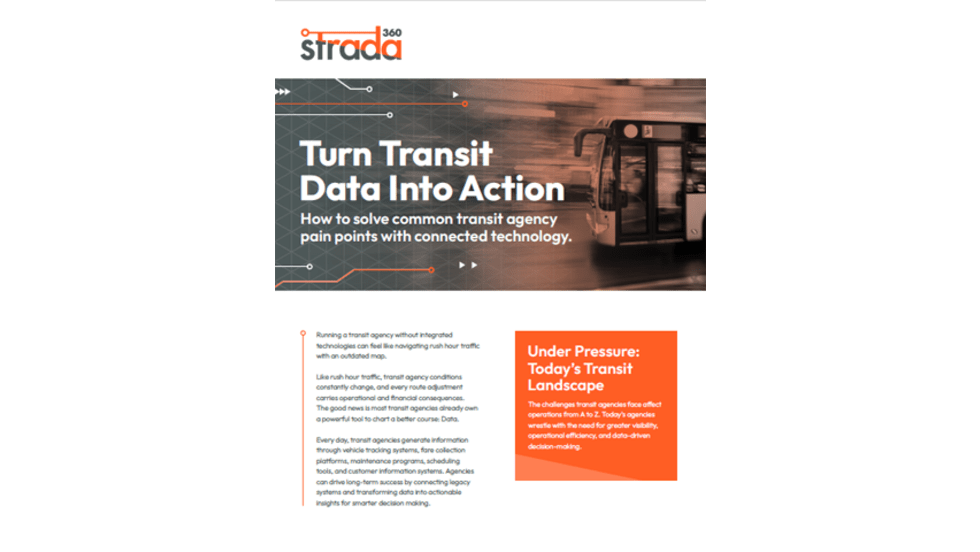
Turn Transit Data Into Action
Discover how leading agencies are using connected technology to gain real-time visibility across operations, improve service reliability, and reduce disruptions.
Read More →
Biz Briefs: OCTA Taps Clean Energy for Hydrogen Station, Stadler to Supply Via Rail Vehicles, and More
From manufacturers and suppliers to transit agencies and motorcoach operators, these updates offer a snapshot of the projects, partnerships and business moves driving the industry forward.
Read More →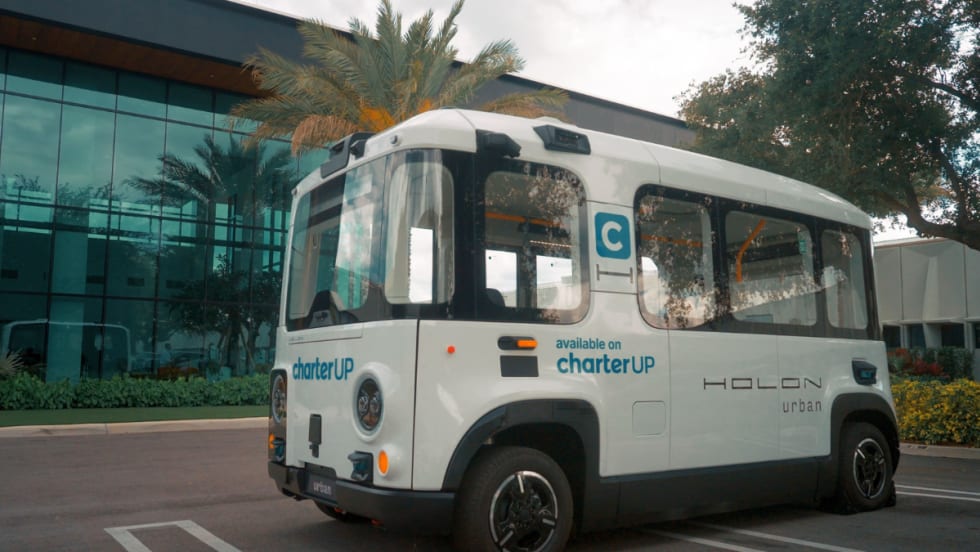
CharterUP Expands Into New Mobility and Autonomous Transportation
Vice President of New Mobility Stephen Joos discusses how CharterUP is leveraging its nationwide transportation network, technology platform, and autonomous vehicle partnerships to expand into workforce mobility, campus shuttles, and transit solutions.
Read More →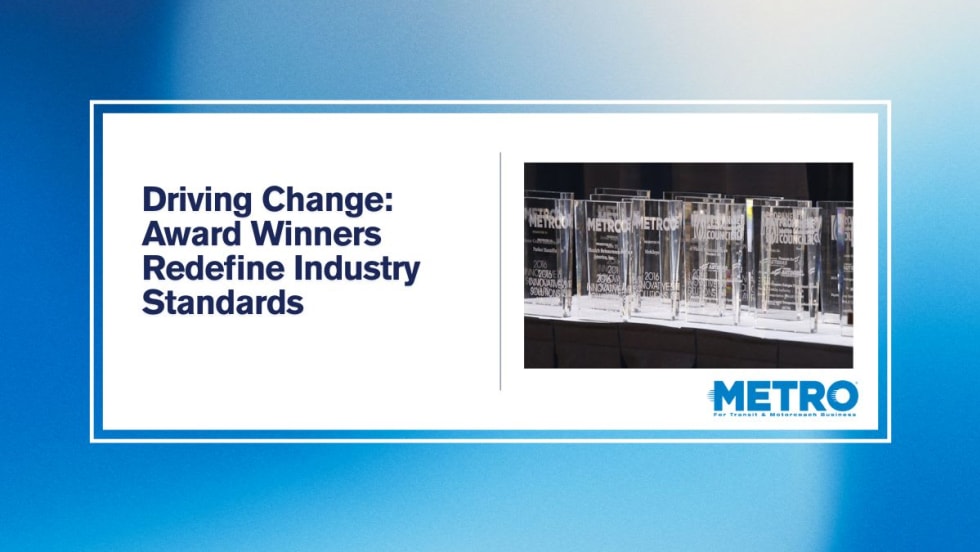
METRO Magazine Announces 2026 Innovative Solutions Awards Winners
Projects Recognized for Advancing Mobility Through Technology, Accessibility, Workforce Innovation, and Operational Excellence
Read More →
Cummins Introduces Phased Model Year 2027 Launch Strategy
According to officials, the approach is designed to maintain regulatory compliance, support customer production schedules, and provide additional time to ramp production in a disciplined manner that helps ensure a successful transition for the industry.
Read More →
Biz Briefs: STV teams with Amtrak, Motorcoach Operators Boost Fleet and Land Contracts, and More
From manufacturers and suppliers to transit agencies and motorcoach operators, these updates offer a snapshot of the projects, partnerships and business moves driving the industry forward.
Read More →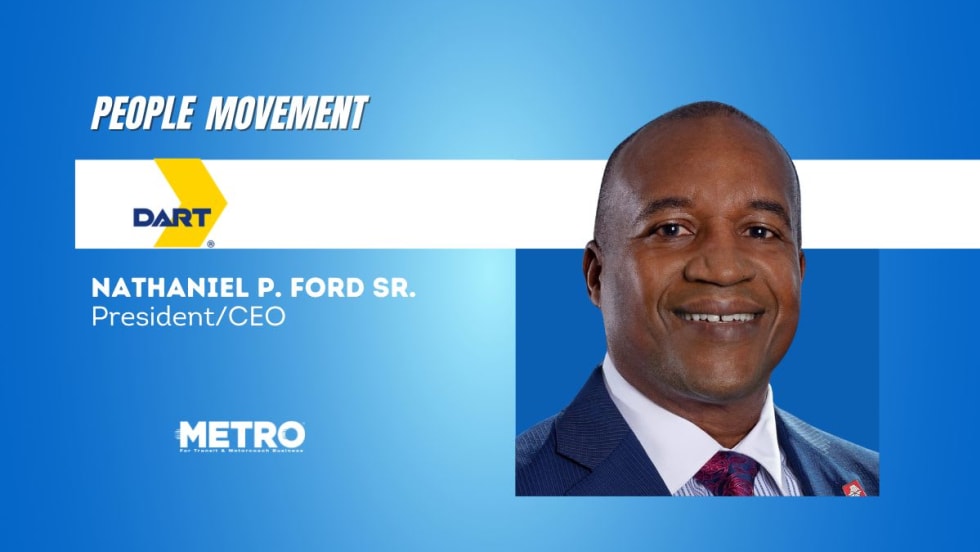
DART Taps Nathaniel P. Ford Sr. as Next President/CEO
Since 2012, Ford has served as the CEO of the Jacksonville Transportation Authority
Read More →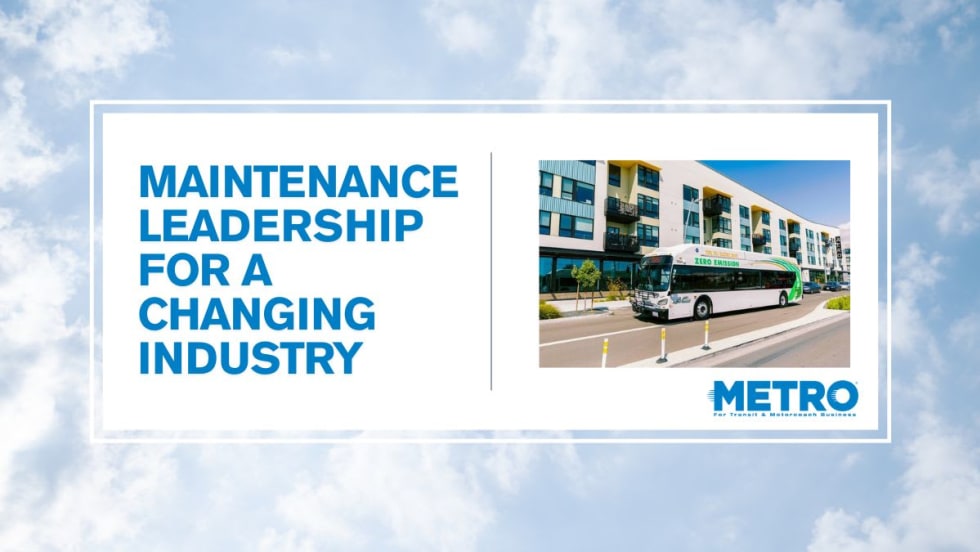
AC Transit’s Cecil Blandon on Building the Next Generation of Transit Maintenance Leaders
The agency’s maintenance chief discusses leadership, workforce development, zero-emission technology, and preparing technicians for the future of public transportation.
Read More →