



Pupil transportation veteran shifts to Villanova university job
In his new role, Jerry Rineer works with Villanova students who have mobility issues, providing support for them as they make their way across the 254-acre campus. The private university, which has a total enrollment of about 10,700, has a large fleet of vans and other vehicles to serve its students.

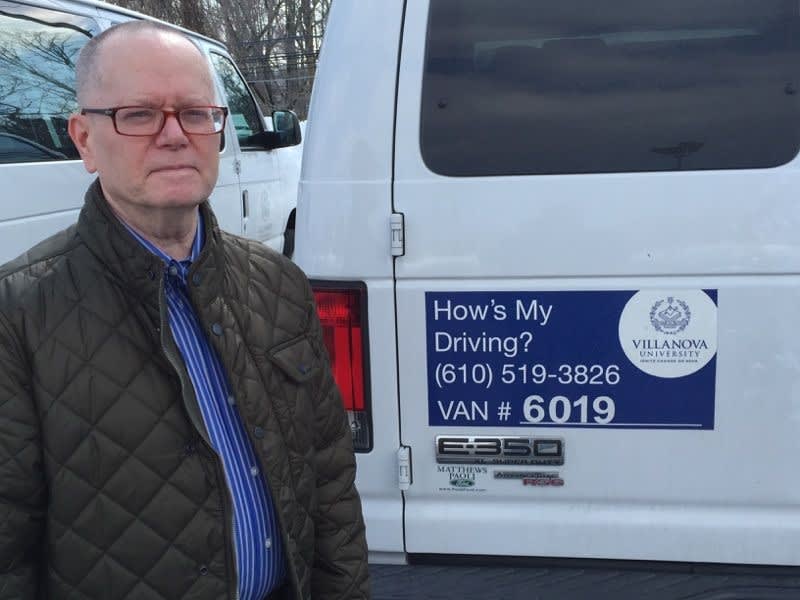
Jerry Rineer
Jerry Rineer
Jerry Rineer, who worked in school transportation for more than 40 years before he retired at the end of December, has taken a position at Villanova University in the parking and transportation section.
In his new role, Rineer works with Villanova students who have mobility issues, providing support for them as they make their way across the 254-acre campus. The private university, which has a total enrollment of about 10,700, has a large fleet of vans and other vehicles to serve its students.
Rineer said that he was attracted to Villanova’s strong commitment to sustainability. For example, the university’s facilities management office is pursuing LEED silver certification on all new construction and major renovations. Also, that office is investigating and implementing energy-conservation measures across the campus, such as lighting retrofits, high-efficiency equipment and building-specific energy monitoring.
Sustainability was a key focus in Rineer’s pupil transportation career. In his most recent position — supervisor of transportation at Lower Merion School District in Ardmore, Pennsylvania — he ran a fleet of 61 school buses powered by compressed natural gas (CNG). When Rineer worked for the School District of Philadelphia, his operation received grants to transition to ultra-low-sulfur diesel and to retrofit 250 buses with clean-burning technology.
Rineer has also given presentations to explain the operational and environmental benefits of using CNG in transportation. He came to be considered a “go-to guy” for colleagues across the country who are interested in alternative fuels.
This article, written by Thomas McMahon, originally appeared in School Bus Fleet.
More Bus
Biz Briefs: New Flyer Delivers in Columbus, Houston, Beep and Freebee Merge, and More
In this edition of Biz Briefs, we spotlight the latest developments shaping the future of mobility.
Read More →
People Movement: Dan Dipert Coaches Adds Third-Generation Leader, Keolis Names New Valley Metro VP/GM, and More
In this edition, we also cover recent appointments and announcements at the Wabtec, SilverRide, HNTB, and more, showcasing the individuals helping to shape the future of transportation.
Read More →
New York MTA Plans Largest Bus Fleet Upgrade in More Than a Decade
The agency is seeking manufacturers for 650 new CNG buses to replace aging vehicles, improve reliability, and advance its broader fleet modernization strategy.
Read More →
Building a Flexible Path to Transit Electrification
John Hroncich discusses BAE Systems’ modular and scalable approach, lessons learned from decades of real-world operations, and how agencies can identify electrification strategies that fit their fleets.
Read More →
Bus Tech Talk: Keeping Transit Technicians Ahead of the Technology Curve
LA Metro’s Obed Mejia discusses technician training, evolving maintenance technology, fleet replacement, and strategies for getting the most out of today’s transit fleets.
Read More →
Biz Briefs: RIPTA Unveils New Frontrunners, Clevland RTA Adds New Siemens, and More
In METRO's latest installment, we take a look at recent news from Siemens, Prevost, Dodge, and more partnerships making headlines across the transportation sector.
Read More →
People Movement: Holly Arnold Joins Transdev and More
In this edition, we also cover recent appointments and announcements at Pace, CamTran, MCI, and more, showcasing the individuals helping to shape the future of transportation.
Read More →
The High Cost of Transit Buses: Industry Leaders Look to Procurement Reform
Transit leaders and policymakers examine how standardized bus designs, streamlined procurement, and predictable funding could help agencies stretch budgets and deliver better service.
Read More →
The Business Voice Behind Public Transportation
As chair of APTA’s Business Members Board of Governors, Ray Melleady explains how more than 850 business members are partnering with transit agencies to advance funding, innovation, and industry-wide collaboration.
Read More →
From Surviving to Thriving: Building Stronger Transportation Organizations
Bus Business Consultants founder Brian Dickson shares lessons on leadership, organizational health, and creating options for long-term success in a changing transportation industry.
Read More →