




On the Rise: San Diego MTS Ridership Climbs by Nearly 50%
Rail Passenger Wi-Fi Usage Surpasses Pre-COVID Levels
Icomera said it is now seeing record passenger Wi-Fi usage levels on trains.
September 9, 2022
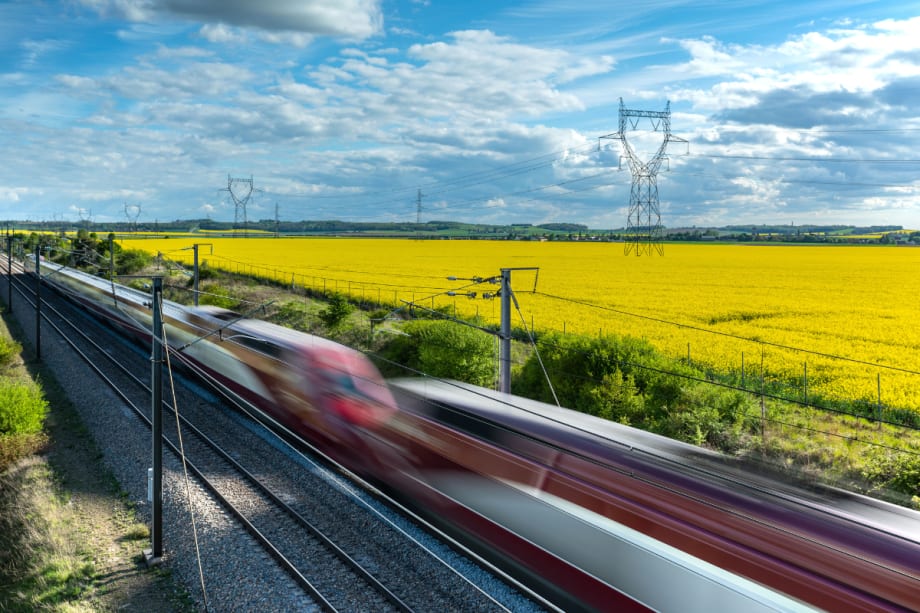
The report looked at factors that will influence the way we travel over the next decade, from pandemics, global conflicts, and climate change.
Photo: Icomera
2 min to read
Icomera published a new report highlighting the trends and challenges shaping the future of passenger transport, and the role connectivity will play in achieving the industry’s overarching goals.
Icomera said it is now seeing record passenger Wi-Fi usage levels on trains – 134% of pre-pandemic levels – as new and returning travellers look to use their journey time more efficiently.
The report looked at factors that will influence the way we travel over the next decade, from pandemics, global conflicts, and climate change, to ageing populations and the blurring of boundaries between the physical and digital worlds, according to Icomera.
“The future of transport will not develop in isolation. It will be important to understand the interplay between every area of smart connected modern living as it evolves” said Paul Barnes, chief marketing officer at Icomera.
Supported by data and insights gathered from transport authorities, operators, and technology companies around the world, the report calls on the transport industry's need to simultaneously pursue three objectives to attract passengers in a post-pandemic world:
Catering for the evolving needs of business and leisure commuters, regardless of age or disability.
Offering a safe environment that minimizes the spread of disease, and guards against physical and cyber threats to individuals and to wider infrastructure.
Achieving the above in a cost-effective and resilient way that also allows the industry to adapt to changing environmental, societal, and economic needs in the future.
The report also examined the potential of other connected applications, based on real-world deployments over the last 24 months:
Personalized journey information delivered in digital formats accessible to those with hearing or visual impairments, allowing them to travel independently.
Real-time monitoring of vehicle occupancy levels with AI software-enhanced cameras, making it easier for passengers to choose less-crowded environments to travel in, and feeding back into operators’ fleet and staff capacity planning.
On-demand remote access to onboard sensor data measuring the condition of infrastructure along a route, supporting a ‘predict and prevent’ maintenance strategy.
More Rail

New York MTA Advances Final Contract for Second Avenue Subway Expansion
Contract Four is the largest in the Second Avenue Subway Phase 2 project and includes construction of station infrastructure, tracks, and signals for the subway expansion, MTA officials said. Work on Contract Four will begin in 2027.
Read More →
San Diego MTS Breaks Monthly Trolley Ridership Record
Agency officials said July’s ridership indicates MTS’s continued recovery from the pandemic.
Read More →
Report Examines NJ TRANSIT Reliability, Funding Challenges
The Garden State Initiative analysis examines the roles of Amtrak infrastructure, fleet management, and agency operations while recommending a more performance-based approach to improving reliability.
Read More →
Stadler, CapMetro Sign Long-Term Rail Fleet Support Agreement
Beginning in 2027, Stadler will provide on-site technical expertise, spare parts support, training, and obsolescence management to help extend the reliability and longevity of CapMetro’s GTW fleet.
Read More →
Biz Briefs: Alstom Lands Canadian Contract, LYT to Supply California TSP, and More
In METRO's latest installment, we take a look at recent news from Complete Coach Works, Beep, FlixBus, and more partnerships making headlines across the transportation sector.
Read More →
CATS Gold Line Marks 5 Years of Service, 2.8M Passenger Trips
With a six-mile expansion planned, the Charlotte streetcar is positioned to connect more neighborhoods and major transit hubs across the region.
Read More →
Why Simulating Pedestrian Movement Has Become Essential for Modern Rail Stations
Pedestrian microsimulation is helping rail planners identify bottlenecks, test station designs, and prepare complex transit hubs for growing passenger volumes.
Read More →
Amtrak Begins Major Construction at New York’s Sunnyside Yard
The new maintenance facility will support Amtrak’s Airo trainsets while improving maintenance efficiency and turnaround times in New York.
Read More →
Chicago Leaders Unveil Plans for O’Hare Airport Express Train
The privately developed project would offer a 15-minute trip between downtown and O’Hare’s Terminal 2, with trains operating every 15 minutes on a dedicated track. The service would use battery-electric trains and three existing freight rail rights-of-way.
Read More →
OCTA Maps Out 30-Year Strategy to Protect Coastal Rail Corridor
The draft feasibility report identifies strategies to protect the coastal rail line for decades as the agency continues near-term stabilization and sand placement efforts.
Read More →