



Red Dot Completes Rebuild Project for the Transit Authority of River City
The project encompassed eight branded buses and a total of 36 stations with informatics, fiber connectivity between the corridor components, and traffic signal priority components along the corridor.

The centerpiece of the project is a network of digital kiosks located at each of TARC’s 36 transit stations.
Photo: Red Dot
Red Dot Digital Media announced it has completed a recent Metro corridor rebuild project for the Transit Authority of River City (TARC).
The project encompassed eight branded buses and a total of 36 stations with informatics, fiber connectivity between the corridor components, and traffic signal priority components along the corridor.
The centerpiece of the project is a network of digital kiosks located at each of TARC’s 36 transit stations.
The kiosks will display bus locations in real time, with accurate stop times based on bus location, route, and speed.
Red Dot’s involvement featured the station informatics, which included the design and development of a ‘next bus server’ application feeding location-agnostic endpoints translated to visual and spoken information to passengers waiting at the transit stations.
“Red Dot has been the stellar partner in the corridor informatics portion of the project. They’re wonderful to work with, proactive and on time,” said David Herde, TARC ITS engineer. “They provided a beautiful and functional solution that not only meets our vision and requirements, but soars above and beyond our expectations.”
Red Dot designed a system with endpoints utilizing GPS dongles interfacing with BrightSign media players to supply local LAT/LON coordinates used by the ‘next bus server’ application as required to identify the StopID of the nearest bus stop.
The implementation meant that locations and stops aren’t hard-coded into the device; instead, the bus stop times are determined by local GPS coordinates and the nearest stops.
Arrival data is pulled from TARC’s Google GTFS schedule feed to supply arrival information to the endpoints in real time. An override mechanism was also developed to supersede the GPS dongle coordinates and assign a particular StopID to be utilized by the player.
At each of the endpoints, a BrightSign-enabled display serves information to passengers at each transit stop. By pressing a button, the BrightSign player triggers audio prompts from a text-to-speech device informing passengers on when the next bus is expected to arrive.
Additionally, the kiosks display ‘next bus information’ for the next 10 arriving buses, with the top four displaying estimated arrival times.
The kiosks also displayinformation about TARC Service Alerts and other information about potential disruptions. Content is displayed via a pair of informational tickers that pull Service Alert data from TARC’s Google real-time feed. One ticker displays stop-specific service alerts, and the other displays general TARC news alerts.
A large portion of each kiosk is dedicated to a rotating feed of informative content, including a complete route map, a detailed map of the local stop area with the locations of incoming buses, and a weather forecast to help alert passengers to incoming weather systems.
Red Dot ensured it followed ADA best practices to ensure the kiosks are accessible to all, with text-to-speech functionality to verbally broadcast, on demand, service alerts to visually impaired passengers. Additionally, the text-to-speech service alerts are available in both English and Spanish.
More Rail
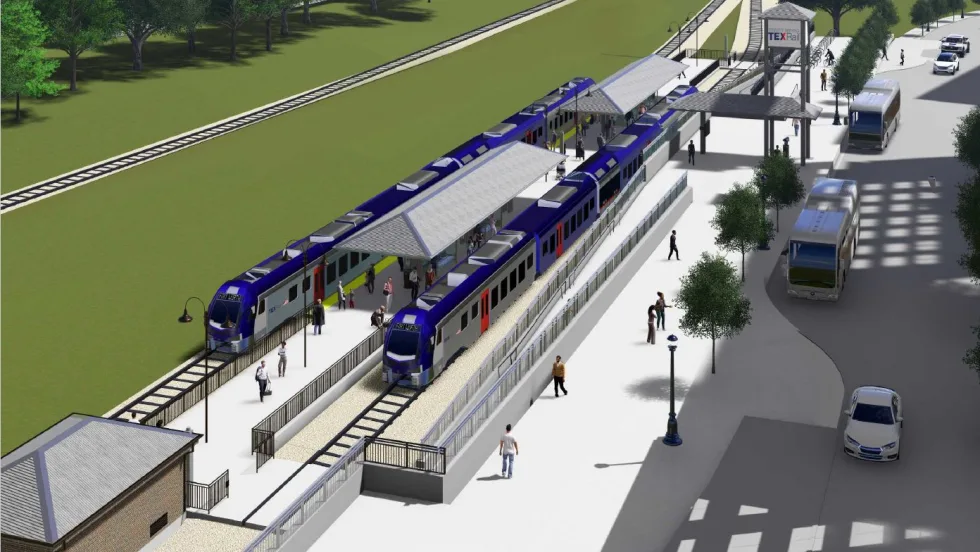
Trinity Metro Breaks Ground on $270M TEXRail Extension
The 2.1-mile extension will connect Fort Worth’s Medical District and Near Southside to downtown, surrounding communities, and Dallas-Fort Worth International Airport.
Read More →
Bringing Austin’s First Light Rail System to Life
Austin Transit Partnership CEO Greg Canally discusses the city's nearly 10-mile light rail project, its collaborative approach to project delivery, the importance of community engagement, and the milestones ahead as construction approaches in 2027.
Read More →
Metra Draft Plan Outlines Costs, Service Improvements for Regional Rail
The Systemwide Network Plan identifies infrastructure needs and potential investments to expand all-day, bidirectional rail service across the Chicago region.
Read More →
Amtrak Completes First Street Tunnel Upgrades, Restores Service
The nine-day construction project included replacing aging track infrastructure and modernizing switch systems near Washington Union Station.
Read More →
FRA Announces $2.3B for Passenger, Freight Rail Projects Nationwide
The CRISI Grant Program funding will support rail infrastructure improvements, safety upgrades, and projects aimed at improving freight and passenger rail service across 45 states and Washington, D.C.
Read More →
Caltrain’s Electrification Drives a New Era of Ridership Growth
The railroad’s shift to electric service has brought more frequent trains, stronger customer satisfaction, and increased ridership, earning it APTA’s Outstanding Public Transportation System award.
Read More →
FTA Advances $164M Broward County Commuter Rail Project
The proposed 10.5-mile commuter rail extension would connect Fort Lauderdale and Aventura, expanding passenger rail options in South Florida.
Read More →
New York MTA Launches Historic $1.9B Signal, Track Modernization Project
Funded in part by congestion pricing revenue, the project will replace nearly century-old signals along the A and C lines in Brooklyn and Queens.
Read More →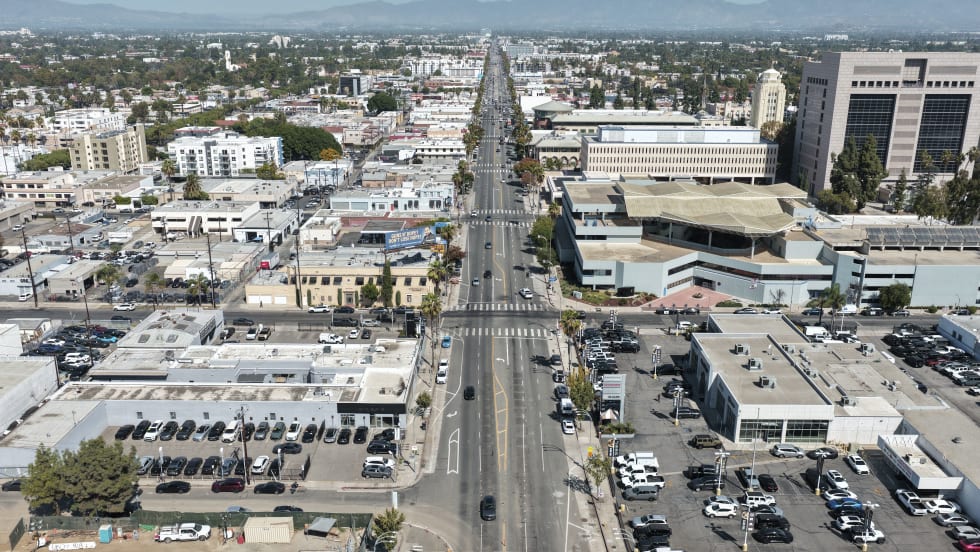
LA Metro Breaks Ground on East San Fernando Valley Light Rail Project
The 6.7-mile line will add 11 stations along Van Nuys Boulevard, expand access to jobs and regional transit connections, and support Metro’s broader efforts to improve mobility as rail ridership grows.
Read More →
CSA Group Releases Climate Resilience Standard for Transit, Passenger Rail
Developed with support from the Standards Council of Canada, CSA D700 guides assessing climate-related risks and planning adaptation measures for transit and passenger rail systems.
Read More →