



Report: Intercity bus use continues surge
For the third year in a row, the intercity bus service was the fastest growing mode of intercity transportation, outpacing air and rail transportation, the study reports. Intercity bus operations expanded by 6 percent in 2010.

New statistics, included in a just-released study update, show the popularity of intercity bus travel continues to surge, according to DePaul University.
The Chaddick Institute for Metropolitan Development released a report this week, “The Intercity Bus: America’s Fastest Growing Transportation Mode – 2010 Update on Scheduled Bus Service.”
For the third year in a row, the intercity bus service was the fastest growing mode of intercity transportation, outpacing air and rail transportation, the study reports. Intercity bus operations expanded by 6 percent in 2010, suggesting that the sector’s renaissance is continuing.
“This new study from the respected academics at DePaul University confirms that the travel mode shift toward buses is continuing, and it’s easy to see why consumers are fast becoming loyal bus riders,” said American Bus Association (ABA) President/CEO Peter Pantuso, commenting on the study results. “Buses beat planes, trains and automobiles in affordability, flexibility and mobility. Buses are the safest greenest, most affordable, most hassle-free and, more often, the most luxurious way to travel.”
The study also looks at external factors affecting the changing travel landscape favoring buses.
Intercity bus service in the United States remained robust through 2010 as a result of rising travel demand, escalating fuel prices, and investments in new routes, DePaul University researchers said in the new study. These and other factors propelled motorcoach travel to its highest level in years and made the intercity bus the country’s fastest growing mode of transportation for the third year in the row.
ABA is not surprised by the numbers, as its member companies have been reporting formally and anecdotally to the association the phenomenon captured on paper in the new study.
“With Wi-Fi, plug-ins, courteous service and city center to city center convenience, all at a fraction of the price of the other travel options, it’s no wonder why the most recent update from the independent third-party academic experts at DePaul University confirm what ABA Foundation numbers show as well,” Pantuso added.
Passengers getting out of their cars to take the bus instead have also helped America slash its total fuel consumption by 11 million gallons annually, which DePaul writes is “the equivalent benefit of removing 23,818 vehicles from the road.”
More Motorcoach
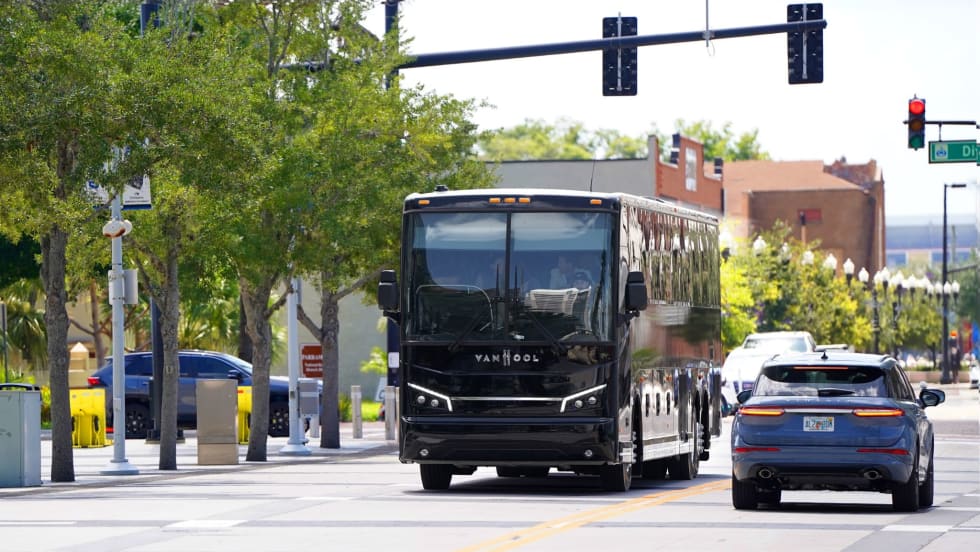
Financing, Fleet Replacement Requires a More Strategic Approach
Executives from ABC Companies and MCI discuss how rising costs, changing market conditions, and post-pandemic challenges are prompting motorcoach operators to rethink financing strategies, fleet replacement cycles, and long-term planning.
Read More →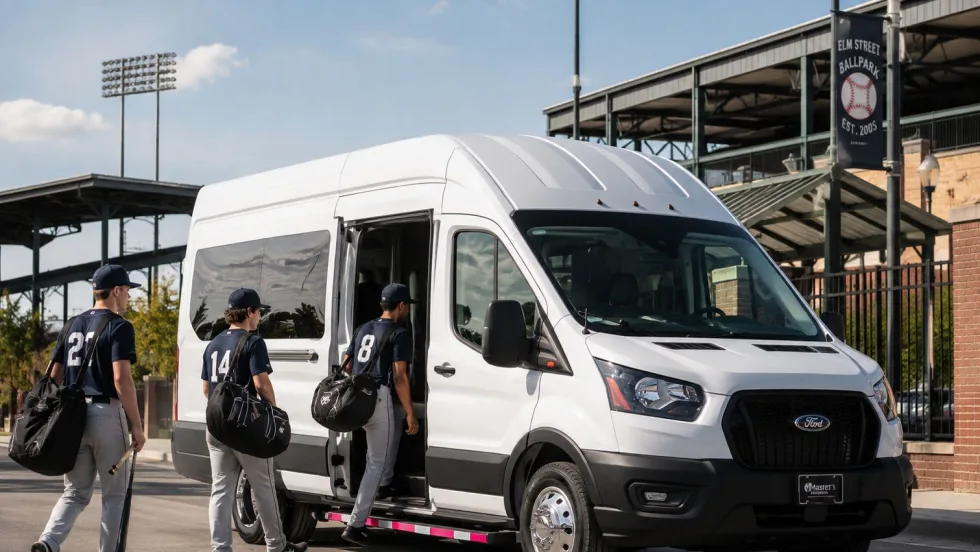
Rethinking the Road: Transportation Challenges for Smaller College Athletics
Smaller college athletic programs are rethinking fleet strategies as rising costs, driver shortages, and longer travel distances put new pressure on transportation budgets.
Read More →
Brian Dickson on Building Stronger, More Resilient Transportation Organizations
Bus Business Consultants Founder Brian Dickson discusses the leadership principles, operational discipline, and strategic planning that separate transportation companies positioned for long-term success from those stuck in survival mode.
Read More →
Roman Cornell on ABC Companies’ Evolution and the Future of Passenger Transportation
The company’s CEO discusses carrying forward a third-generation family legacy, ABC’s continued evolution in passenger transportation, support for increasingly complex fleets, and how technology and continued investment could help operators improve uptime.
Read More →
From Surviving to Thriving: Building Stronger Transportation Organizations
Bus Business Consultants founder Brian Dickson shares lessons on leadership, organizational health, and creating options for long-term success in a changing transportation industry.
Read More →
Report: Canadian Motorcoach Industry Generates $4.4B in Economic Impact
The 2025 Motorcoach Economic Impact Report finds motorcoach travel supported nearly 25,000 jobs and generated $980 million in federal, provincial, and local taxes.
Read More →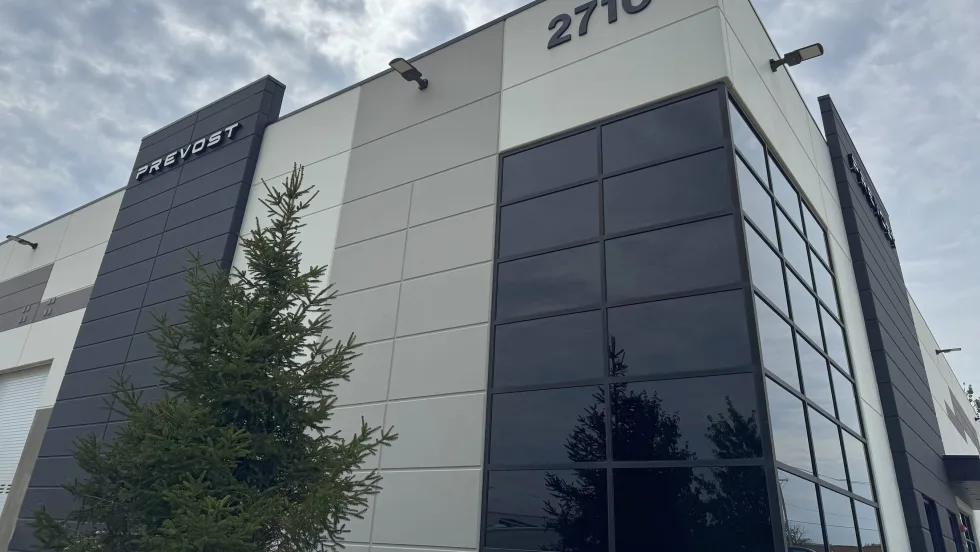
Prevost Opens Expanded Chicago-Area Service Center
The $8.1 million Elk Grove Village investment nearly triples facility space while adding service capacity, parts storage, and customer amenities.
Read More →
People Movement: Dan Dipert Coaches Adds Third-Generation Leader, Keolis Names New Valley Metro VP/GM, and More
In this edition, we also cover recent appointments and announcements at the Wabtec, SilverRide, HNTB, and more, showcasing the individuals helping to shape the future of transportation.
Read More →
METRO Opens Submissions for 2026 Motorcoach Awards
Nominations are now being accepted for METRO Magazine’s Operator of the Year and Innovative Operator of the Year awards.
Read More →
Biz Briefs: Alstom Lands Canadian Contract, LYT to Supply California TSP, and More
In METRO's latest installment, we take a look at recent news from Complete Coach Works, Beep, FlixBus, and more partnerships making headlines across the transportation sector.
Read More →