



Report: U.S. transportation system failing
Experts estimate that an additional $134B to $262B must be spent per year through 2035 to rebuild and improve roads, rail systems and air transportation.

The United States' decaying and underfunded transportation system will "undermine its status in the global economy" unless innovative reforms are embraced by Congress and the public, according to a new report released Monday. A bipartisan panel of experts that compiled the data estimates that "an additional $134 billion to $262 billion must be spent per year through 2035 to rebuild and improve roads, rail systems and air transportation," The Washington Post reported. To read the full story, click here.
Recommendations outlined by the report include:
1. Stop the bleeding: Congress must address the immediate crisis in transportation
funding.
2. Beyond the gas tax: Innovative thinking is needed to develop the next generation
of user fees. Specifically, future funding mechanisms should not depend primarily on fossil-fuel consumption—which the government is actively seeking to discourage through a number of other policies—to keep up with transportation investment needs.
3. Jobs for the future, not just today: Future stimulus spending should be directed to
those transportation projects that will deliver the greatest returns in terms of future U.S. competitiveness, economic growth, and jobs. Building a foundation for sustained prosperity and long-term job creation is more important than boosting short-term employment in road construction.
4. Pass the power, please: Clarify decision-making power and enhance the effectiveness of states, localities, and metropolitan planning organizations.
5. Adopt a capital budget: The federal government should adopt accounting methods
that (A) recognize expenditures on transportation infrastructure as investments (rather
than consumption) and (B) take into account future returns on those investments.
6. Connect the dots: Adopt an integrated approach to transportation planning that
includes freight and goods movement and stresses intermodal connectivity.
7. Getting Americans home in time for dinner: Find more effective ways of reducing
urban congestion.
8. It’s all about leverage: Encourage public-private partnerships while also improving
oversight of such partnerships.
9. Deliver transportation investments on time: Reform project planning, review, and
permitting processes to speed actual implementation.
10. Build a foundation for informed policy: Better and more timely data are essential
to measure progress toward defined goals and objectives and to improve the performance of the nation’s transportation systems.
More Paratransit
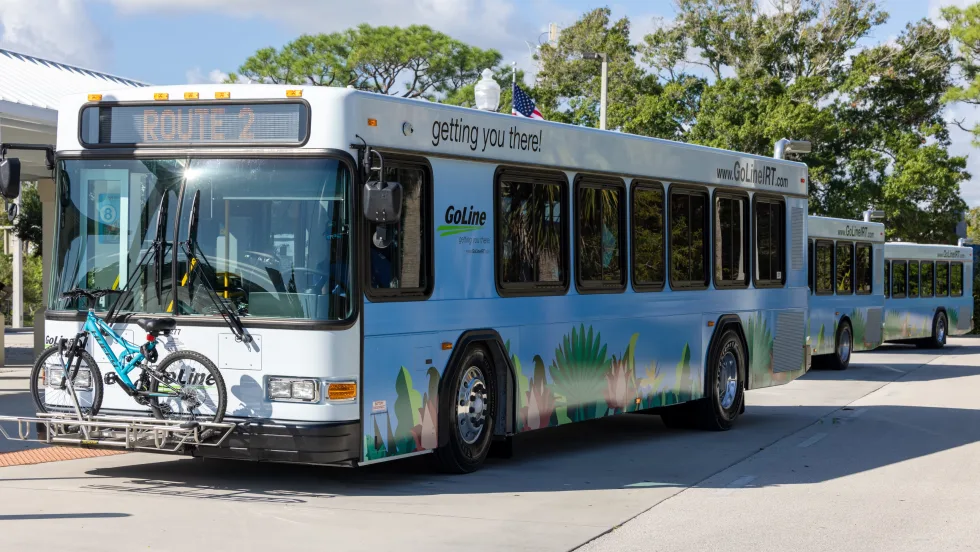
Indian River Transit’s Community-Focused Approach Earns National Recognition
Named APTA’s 2026 Outstanding Public Transportation System in its size category, Florida’s Indian River County transit system continues to grow ridership through fare-free service and a focus on evolving community needs.
Read More →
Everett Transit, Community Transit Outline Consolidation Agreement
The proposed agreement calls for a 50% increase in bus service in Everett, a new microtransit zone, continued paratransit service, and the transfer of Everett Transit operations to Community Transit.
Read More →
Driving Smarter Paratransit
John Hanlon shares how AlphaRoute is leveraging AI-powered technology to help paratransit providers optimize operations, support frontline staff, and enhance the rider experience.
Read More →
People Movement: Dan Dipert Coaches Adds Third-Generation Leader, Keolis Names New Valley Metro VP/GM, and More
In this edition, we also cover recent appointments and announcements at the Wabtec, SilverRide, HNTB, and more, showcasing the individuals helping to shape the future of transportation.
Read More →
Biz Briefs: RIPTA Unveils New Frontrunners, Clevland RTA Adds New Siemens, and More
In METRO's latest installment, we take a look at recent news from Siemens, Prevost, Dodge, and more partnerships making headlines across the transportation sector.
Read More →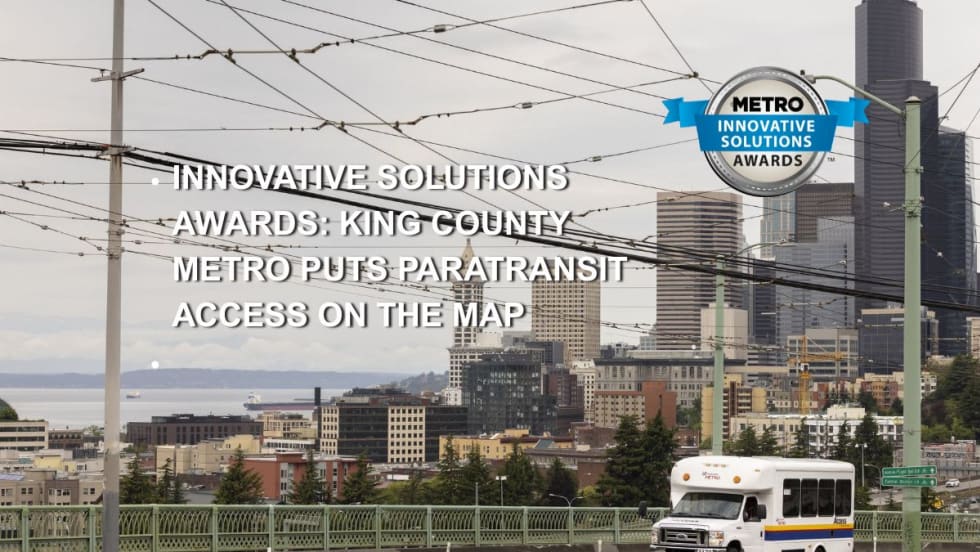
King County Metro Makes ADA Paratransit Easier to Navigate
METRO's Innovative Solutions Award winner replaces complex service-area descriptions with an accessible, interactive map that puts paratransit information directly in customers’ hands.
Read More →
Jacksonville’s NAVI Project Charts a New Course for Autonomous Public Transportation
Through its NAVI program, JTA is showing how autonomous vehicles, intelligent infrastructure, and coordinated operations can work together to deliver everyday public transportation.
Read More →
Driving Smarter Paratransit
John Hanlon shares how AlphaRoute is leveraging AI-powered technology to help paratransit providers optimize operations, support frontline staff, and enhance the rider experience.
Read More →
METRO Magazine Announces 2026 Innovative Solutions Awards Winners
Projects Recognized for Advancing Mobility Through Technology, Accessibility, Workforce Innovation, and Operational Excellence
Read More →
Biz Briefs: STV teams with Amtrak, Motorcoach Operators Boost Fleet and Land Contracts, and More
From manufacturers and suppliers to transit agencies and motorcoach operators, these updates offer a snapshot of the projects, partnerships and business moves driving the industry forward.
Read More →