



Safe Fleet Acquires Rear View Safety
Brooklyn, N.Y.-based Rear View Safety has been instrumental in driving the rapid adoption of video systems in commercial fleets including government fleets, bus and shuttle.



Safe Fleet announced Wednesday the acquisition of Rear View Safety (RVS), one of the fastest-growing providers of back-up camera systems and video-based road safety solutions.
Brooklyn, N.Y.-based Rear View Safety has been instrumental in driving the rapid adoption of video systems in commercial fleets including government fleets, recreational vehicles, truck, trailer, commercial van, construction, emergency, bus and shuttle, agriculture and industrial vehicles, according to the company.
“The addition of Rear View Safety expands Safe Fleet’s leadership position in specialty video products for fleet vehicles in North America and one of the top suppliers worldwide," said John R. Knox, president/CEO of Safe Fleet. "The RVS product line is complementary to Safe Fleet’s existing video products and positions Safe Fleet as a leading video supplier in all of its fleet end markets.”
RVS’s headquarters and operations will remain in Brooklyn and Joseph Schechter will continue leading RVS as VP. “Customers will continue to interact with their existing RVS contacts and locations,” Schechter said. “We’re very excited about joining the Safe Fleet family and working together to provide comprehensive solutions for the safety and security needs of the fleets worldwide.”
The RVS acquisition is the sixth for Safe Fleet, which was formed in September 2013 when ROM Corp. and SMI Corp. merged.
Financial terms of the purchase were not disclosed.
More Security and Safety
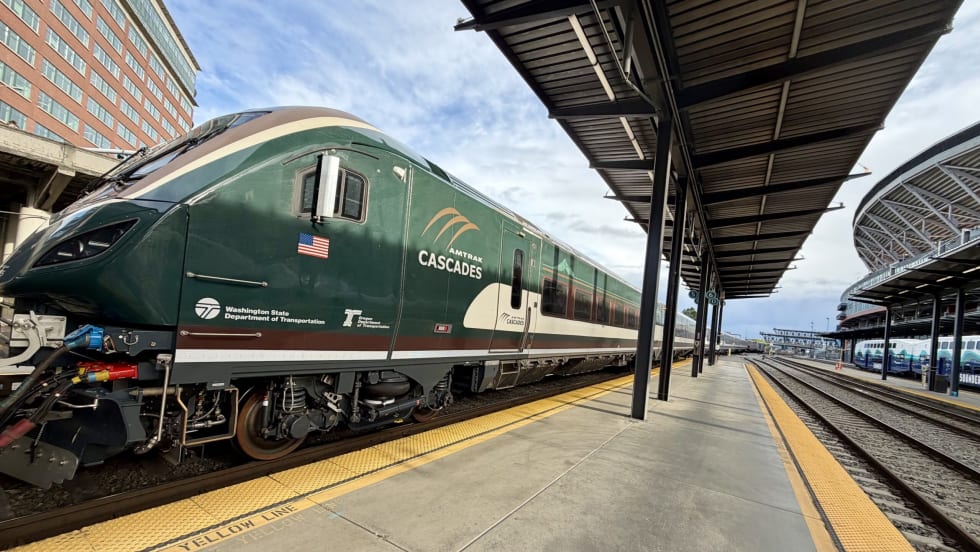
FRA Announces $5.3B in Rail Investments, Including $2B for Amtrak
Funding will support grade-crossing improvements, infrastructure upgrades, and new Amtrak equipment in 23 states.
Read More →
Chicago, Maryland Expand Non-Law-Enforcement Safety, Rider Support
The CTA and MTA are launching new programs aimed at de-escalation, crisis response, rider assistance, and greater transparency.
Read More →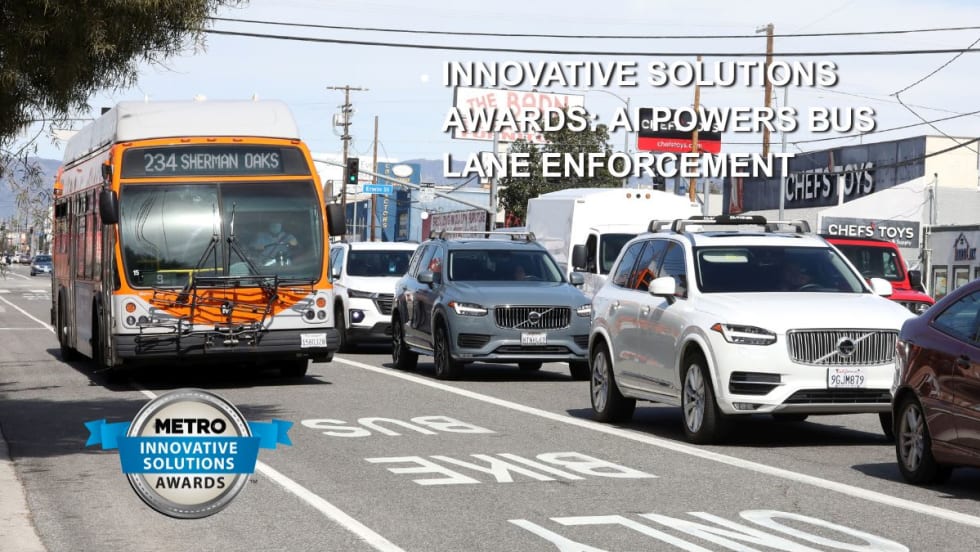
LA Metro, City of West Hollywood, and Partners Advance Smarter Bus Lane Enforcement
The award-winning partnership combines AI-powered detection with human oversight to improve bus reliability, accessibility, and enforcement efficiency.
Read More →
LA Metro Reports 57% Decline in Homelessness on Transit System Since 2024
The agency's latest homelessness count offers new data on how care-based services and cross-sector partnerships can complement traditional transit security strategies.
Read More →
FTA Launches 'Transit Moves America' Dashboard to Highlight Agency Safety and Performance
The online dashboard transforms National Transit Database information into a public-facing resource that allows users to compare transit agencies on key operational and safety metrics.
Read More →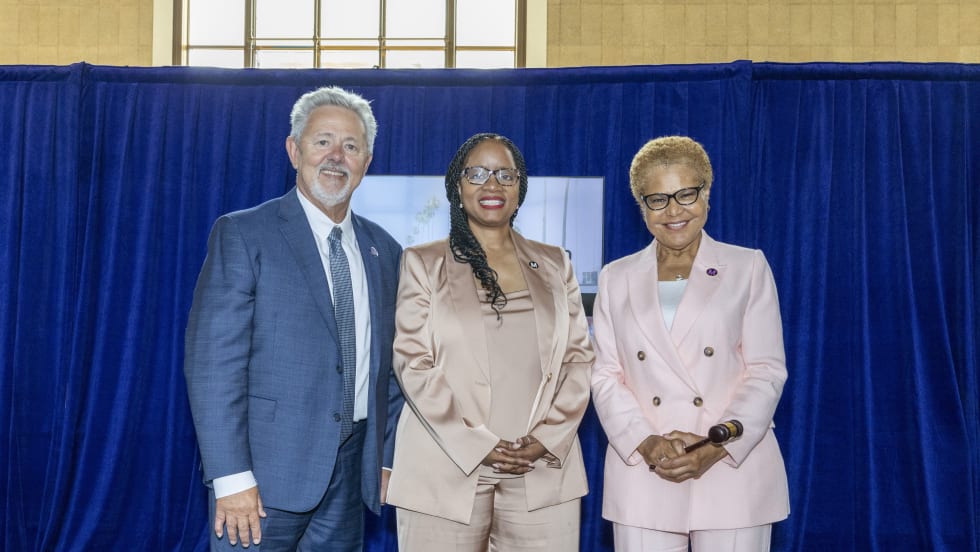
LA Metro Marks Banner Year, Sets Ambitious Goals for New Fiscal Year
Incoming LA Metro Board Chair and Los Angeles Mayor Karen Bass joined outgoing Board Chair Fernando Dutra and LA Metro CEO Stephanie Wiggins to review accomplishments from fiscal year 2026, which included the opening of new rail extensions, advancement of major transit projects, expanded safety programs, and new rider amenities.
Read More →
Building the Next Generation of Transit Technology
In this edition of METROspectives, Luminator CEO Magnus Friberg discusses the company's transformation, the growing role of AI and software, and what's next for transit technology.
Read More →
TTC Launches Camera Pilot to Curb Illegal Passing of Streetcars
During the pilot, the cameras will measure how often illegal streetcar passing occurs and test the technology's reliability for future automated enforcement.
Read More →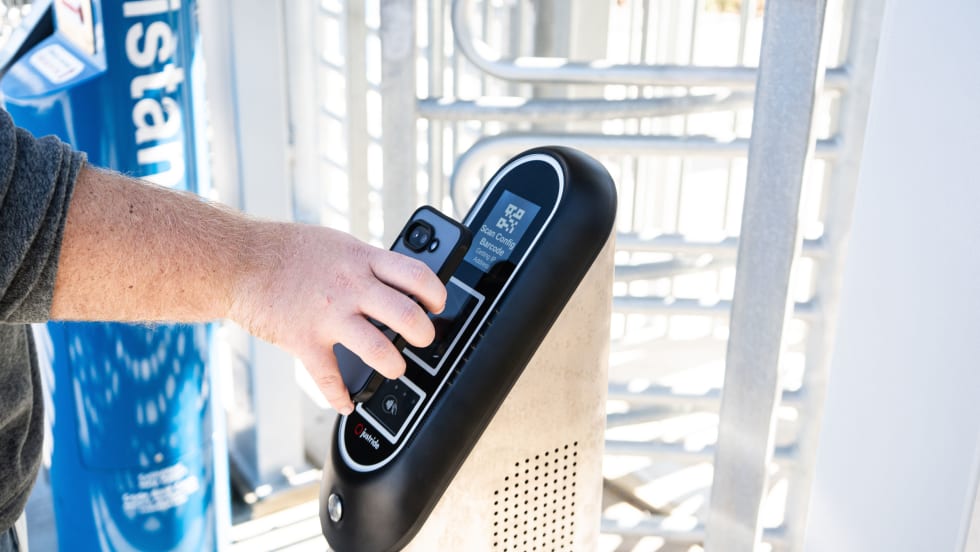
Biz Briefs: Masabi Teams with St. Louis Metro and More
In METRO's latest installment, we take a look at recent news from Transdev, Hitachi, and more partnerships making headlines across the transportation sector.
Read More →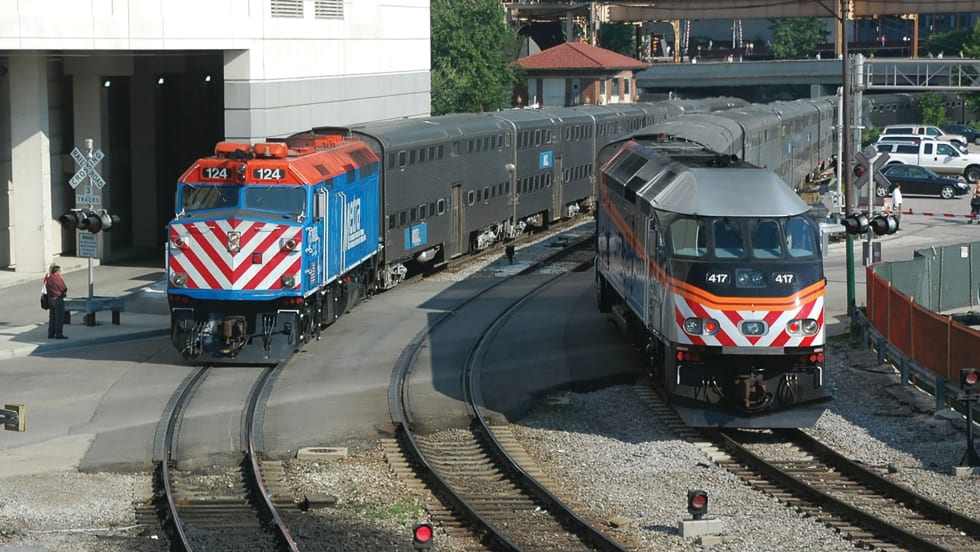
Metra Begins Drone Pilot Project to Boost Safety and Security
The project is funded through a $620,000 grant from FEMA’s Transit Security Grant Program, which provides transit agencies with funding for projects intended to protect critical transportation infrastructure and the traveling public.
Read More →