



SEPTA Increasing Fines, Penalties for Quality-of-Life Offenses
Beginning in July, SEPTA Transit Police will issue Code Violation Notices for some of those low-level crimes, including alcohol consumption, public urination, smoking, littering, and other offenses.

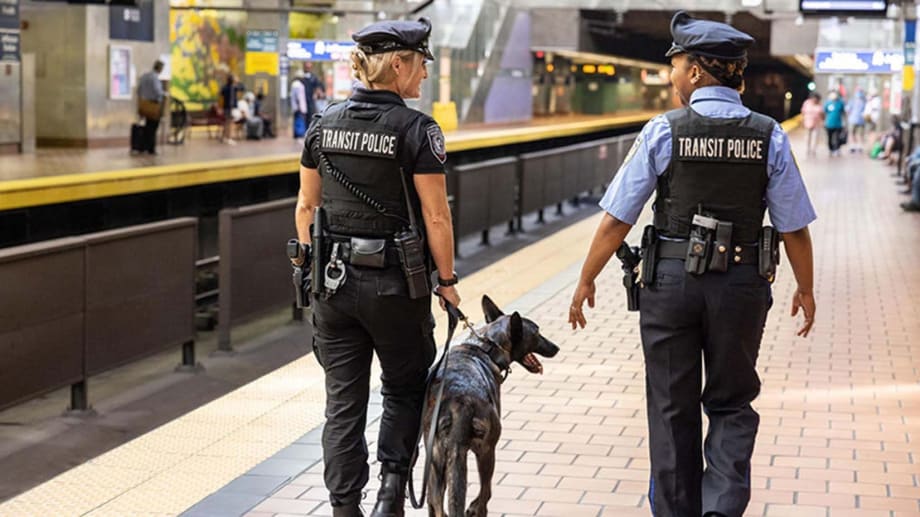
Under this policy, Transit Police will issue a ticket to the offender and forward a copy of the ticket to the City of Philadelphia’s Office of Administrative Review. Fines will range from $25 to $150.
Photo: SEPTA
Philadelphia's SEPTA announced the return of an enforcement program for quality-of-life violations as part of an effort to discourage incidents, focus on repeat offenders, and enhance the customer experience.
Beginning in July, SEPTA Transit Police will issue Code Violation Notices (CVNs) for some of those low-level crimes, including alcohol consumption, public urination, smoking, littering, and other offenses.
SEPTA’s New Policy
Under this policy, Transit Police will issue a ticket to the offender and forward a copy of the ticket to the City of Philadelphia’s Office of Administrative Review (OAR). Fines will range from $25 to $150.
Offenders will have the option to pay the fine or request a court date. OAR will track unpaid fines, and chronic offenders will be banned from entering SEPTA property.
“The shift to Code Violation Notices demonstrates our commitment to stepping up enforcement of quality-of-life offenses,” said SEPTA CEO/GM Leslie S. Richards. “These violations are often the subject of customer complaints and can be associated with more serious crimes. Our customers and employees deserve to feel safe when they are traveling on SEPTA.”
What the Updated Policy Means
Since 2019, SEPTA Transit Police have issued Administrative Enforcement Notices (AENs) for quality-of-life violations.
AENs carry a fine but are not court-enforced. An evaluation of the AEN program determined that it is not effective in deterring anti-social behaviors that negatively impact SEPTA customers.
“Code Violation Notices are legal instruments backed by the courts,” said SEPTA Transit Police Chief Charles Lawson. “With this change, SEPTA is sending a clear message to would-be offenders: If you commit an offense on SEPTA property, you will be held accountable.”
The CVN policy adds to a number of recent changes aimed at enhancing safety and security on the system. SEPTA Transit Police continue to increase visible patrols across the system, with more officers strategically deployed at stations and on trains, trolleys, and buses.
SEPTA’s officers in the field are also assisted by a new Virtual Patrol Unit, which utilizes SEPTA’s vast surveillance camera system to help dispatch officers to where they are needed most.
SEPTA also remains committed to growing its police force. Recruitment and retention efforts by Transit Police have resulted in sustained growth over four straight quarters — from 196 sworn officers at the end of 2022 to the current 230 sworn officers, which is the highest number in years.
SEPTA will continue to hire more officers, including exceeding budgeted headcount for Transit Police to bolster safety and security. These and other efforts resulted in a 45% decrease in serious crimes on the system during the first quarter of 2024 compared to the same period in 2023.
More Security and Safety

Transit Agencies Highlight Safety Gains at National Summit
Leaders from 15 major transit systems shared crime-reduction results and safety initiatives while discussing the role of continued federal support.
Read More →
DART Launches Major Security, Fare Enforcement Initiative
The 90-day demonstration will deploy coordinated security teams at five light rail stations while testing controlled access and gathering data to guide future investments.
Read More →
RTD Launches NextRide App to Consolidate Trip Planning, Fares, Security Reporting
The app expands on RTD’s existing NextRide web application and allows customers to view real-time vehicle locations and service alerts, purchase and store digital fares, and access customer support.
Read More →
TAPTCO Updates OSHA Compliance Training for Transit Maintenance Operations
The revamped program addresses 26 OSHA standards for maintenance facilities, with TAPTCO pointing to training, documentation, and everyday shop hazards as continuing challenges for transit operations.
Read More →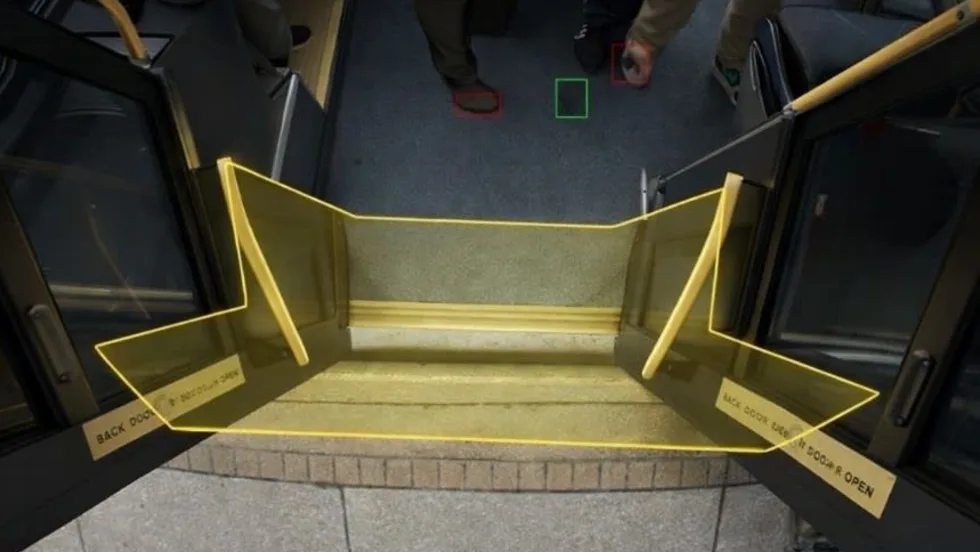
How VaporVision Adds Value to Transit Door Systems
Wabtec engineers explain how the system improves doorway detection, strengthens diagnostics and gives transit agencies and OEMs greater operating flexibility.
Read More →
FRA Announces $5.3B in Rail Investments, Including $2B for Amtrak
Funding will support grade-crossing improvements, infrastructure upgrades, and new Amtrak equipment in 23 states.
Read More →
Chicago, Maryland Expand Non-Law-Enforcement Safety, Rider Support
The CTA and MTA are launching new programs aimed at de-escalation, crisis response, rider assistance, and greater transparency.
Read More →
LA Metro, City of West Hollywood, and Partners Advance Smarter Bus Lane Enforcement
The award-winning partnership combines AI-powered detection with human oversight to improve bus reliability, accessibility, and enforcement efficiency.
Read More →
LA Metro Reports 57% Decline in Homelessness on Transit System Since 2024
The agency's latest homelessness count offers new data on how care-based services and cross-sector partnerships can complement traditional transit security strategies.
Read More →
FTA Launches 'Transit Moves America' Dashboard to Highlight Agency Safety and Performance
The online dashboard transforms National Transit Database information into a public-facing resource that allows users to compare transit agencies on key operational and safety metrics.
Read More →