




RELATED: Rail Station Redevelopment to Redefine Philadelphia
SEPTA lands $15M BUILD grant to improve passenger access
The grant will fund approximately 39% of the $38 million project, and will leverage more than $23 million in additional state, local, and private funds.
December 11, 2018
1 min to read
SEPTA will receive a $15 million federal grant to modernize infrastructure and improve passenger access at its 30th Street Market-Frankford Station, members of the southeastern Pennsylvania Congressional Delegation announced.
The award will be made through the U.S. Department of Transportation's Better Utilizing Investments to Leverage Development (BUILD) Transportation Discretionary Grants program. The grant will fund approximately 39% of the $38 million project, and will leverage more than $23 million in additional state, local, and private funds, including a $2 million commitment from Brandywine Realty Trust.
SEPTA's 30th Street Market-Frankford Station project is currently in final design.
The modernization project will increase station capacity, improve passenger flow, and support the regionally significant economic development activities planned for the surrounding area.
Plans for the station overhaul include the installation of new stairs, escalators, and elevators, an expanded mezzanine area, a new glass head house and canopy at north-west corner of 30th and Market Street, a ramp to the new Drexel Square, improved lighting, signage, and extensive bike parking.
Served by the Market-Frankford Line — SEPTA's most heavily traveled route - and five Trolley Routes, SEPTA's 30th Street Market-Frankford Station is a vital regional hub connecting 25,000 daily passengers to University City, the region's second largest employment center.
More Management
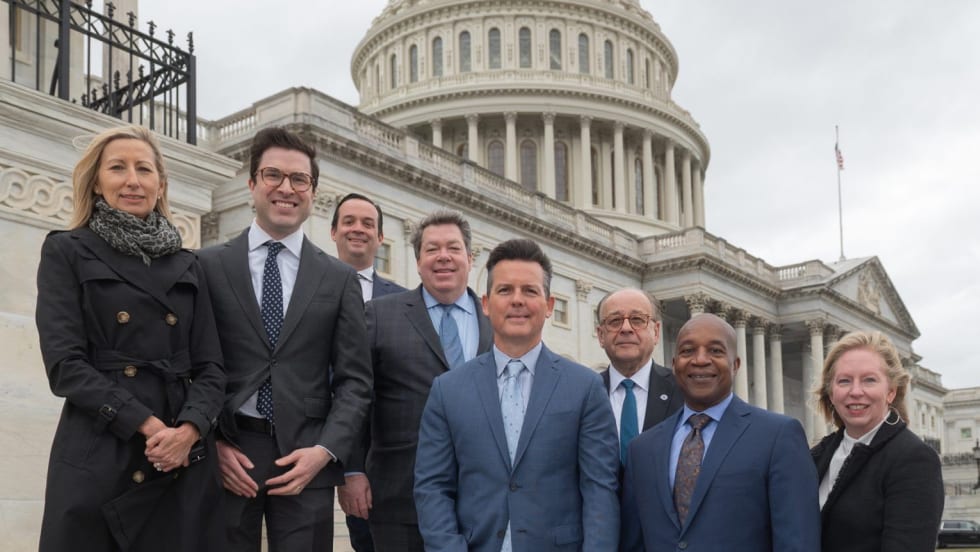
The Business Voice Behind Public Transportation
As chair of APTA’s Business Members Board of Governors, Ray Melleady explains how more than 850 business members are partnering with transit agencies to advance funding, innovation, and industry-wide collaboration.
Read More →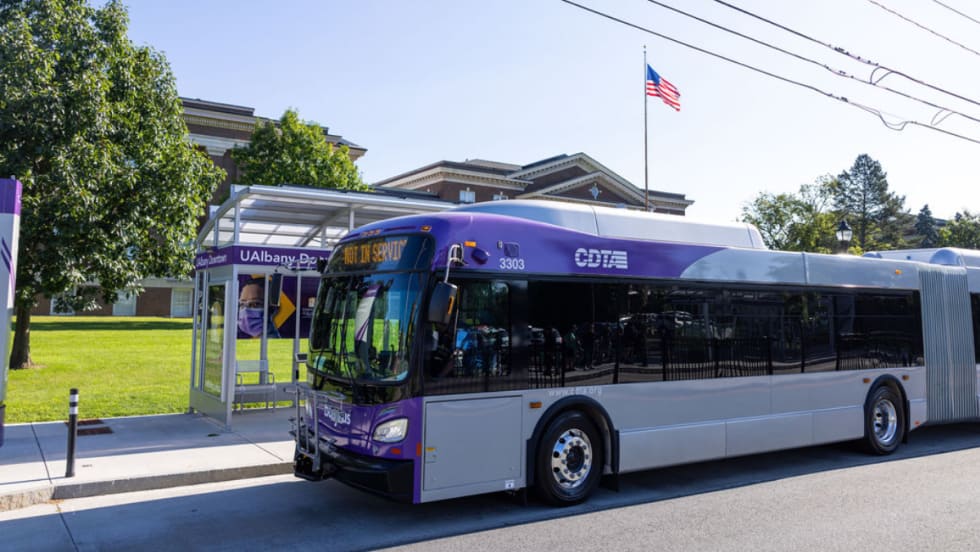
New York’s CDTA Service Rebalancing Boosts Productivity, On-Time Performance
Despite a slight dip in ridership, the agency’s FY2026 results show its service rebalancing strategy is helping the agency carry more riders per service hour while improving reliability.
Read More →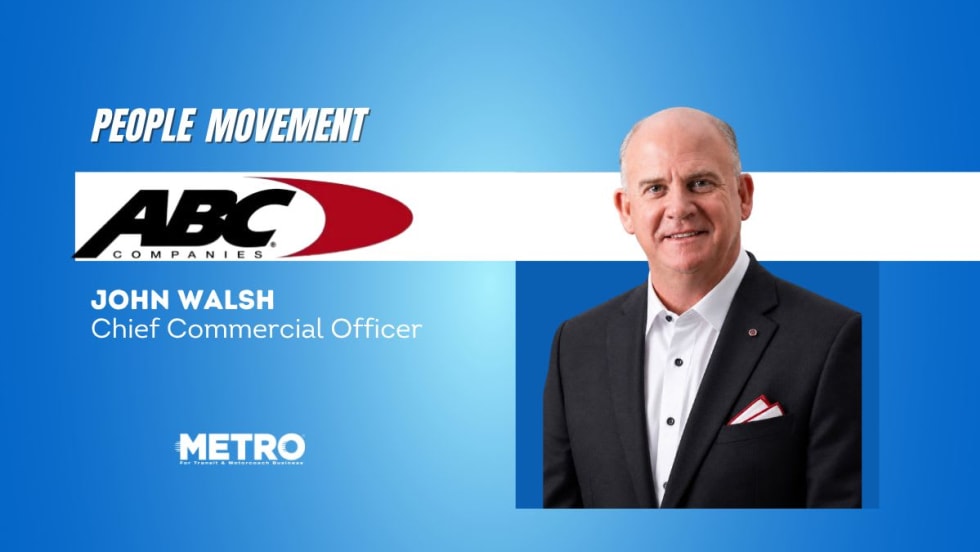
People Movement: ABC Names John Walsh as Chief Commercial Officer
In this edition, METRO also covers recent appointments and announcements at the DART, STV, and more, showcasing the individuals helping to shape the future of transportation.
Read More →
From Surviving to Thriving: Building Stronger Transportation Organizations
Bus Business Consultants founder Brian Dickson shares lessons on leadership, organizational health, and creating options for long-term success in a changing transportation industry.
Read More →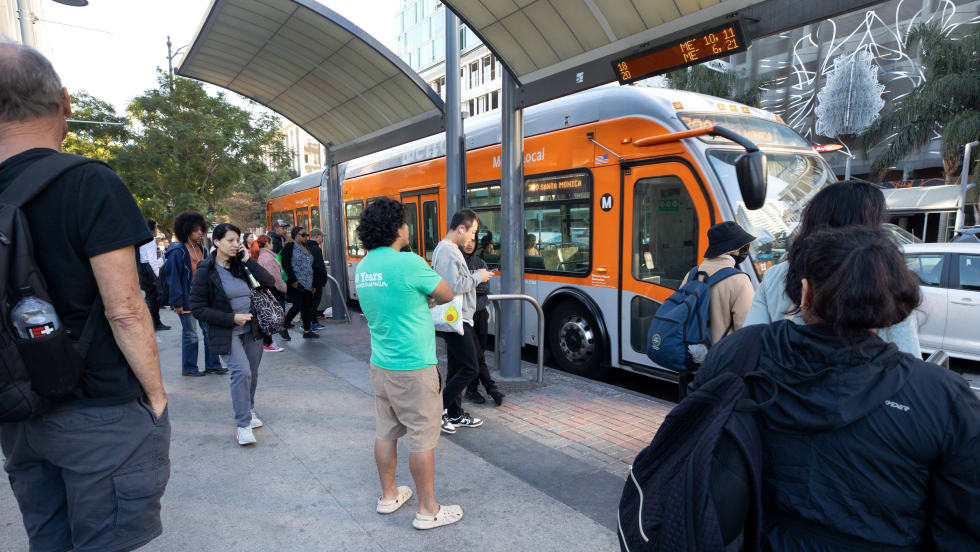
LA Metro Ridership Continues Growth as Rail Gains Accelerate
New rail connections and major events help drive continued ridership gains, with Metro recording its eighth consecutive month of year-over-year rail growth.
Read More →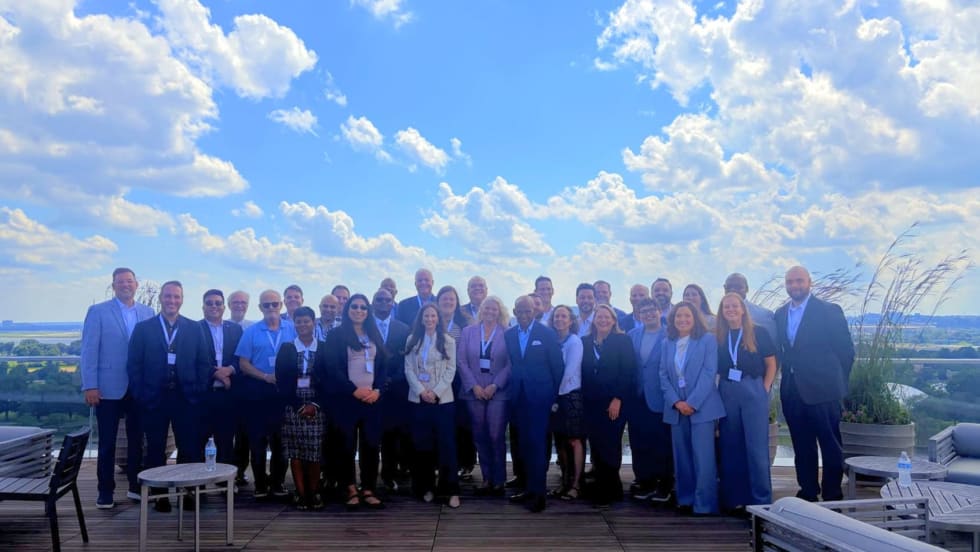
TransDASH Summit Focuses on Measuring What Matters in Transit
Transit agencies unveil a national performance platform designed to benchmark customer experience, safety, community value, and other outcomes.
Read More →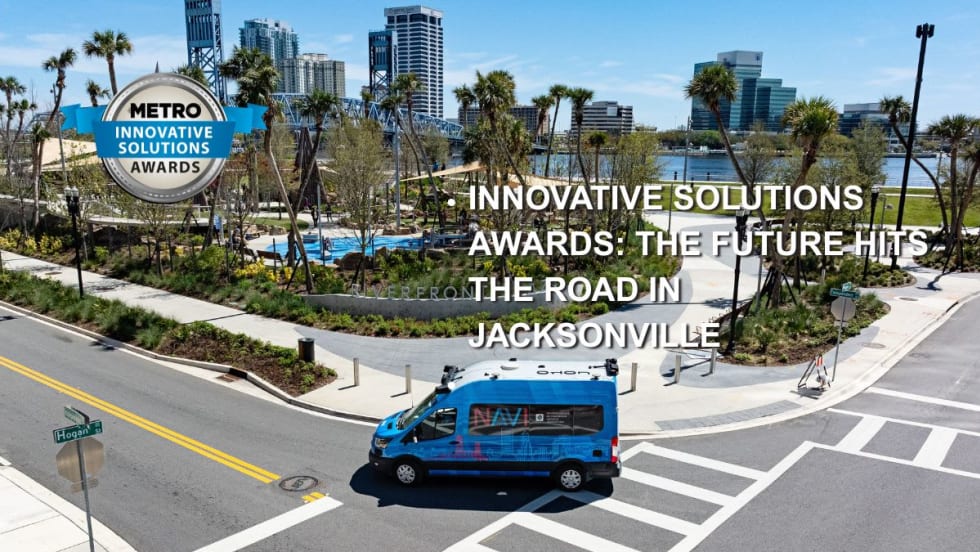
Jacksonville’s NAVI Project Charts a New Course for Autonomous Public Transportation
Through its NAVI program, JTA is showing how autonomous vehicles, intelligent infrastructure, and coordinated operations can work together to deliver everyday public transportation.
Read More →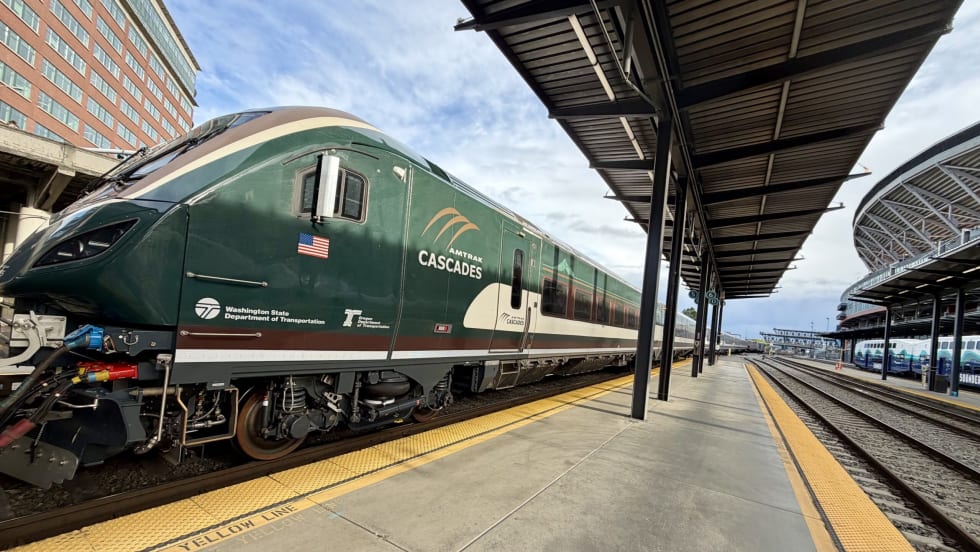
FRA Announces $5.3B in Rail Investments, Including $2B for Amtrak
Funding will support grade-crossing improvements, infrastructure upgrades, and new Amtrak equipment in 23 states.
Read More →
Finding the ‘Happy Medium’: Optimizing Maintenance Without Sacrificing Reliability
The key to maintenance optimization isn’t doing less work—it’s doing the right work at the right time on the right assets.
Read More →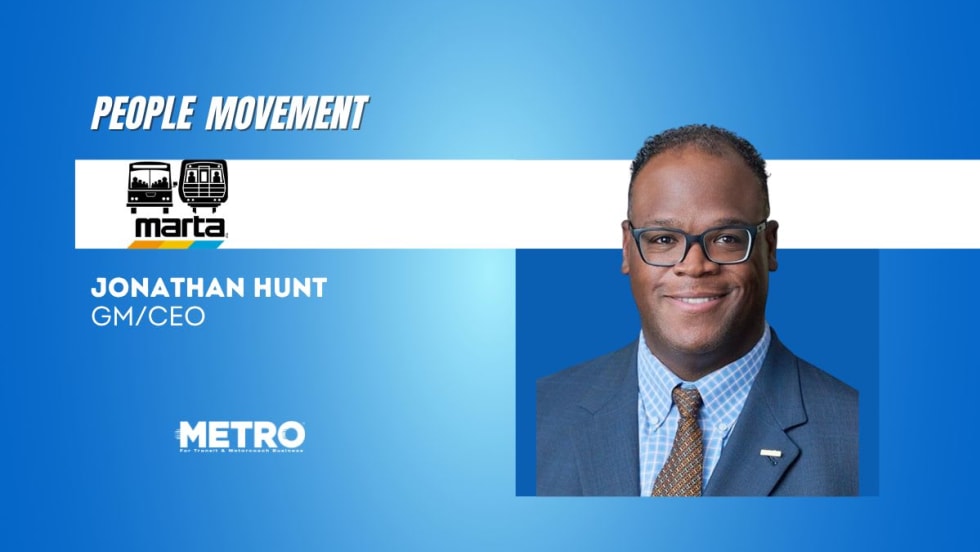
People Movement: MARTA Drops Interim Tag on GM/CEO Hunt and More
In this edition, METRO covers recent appointments and announcements at the FMCSA, HDR, SilverRide, and more, showcasing the individuals helping to shape the future of transportation.
Read More →