




RELATED: Siemens, Bombardier said in talks to combine rail units
Siemens diesel-electric locomotives to begin operation on Calif. train
The Charger clean diesel-electric locomotives are the first high-speed passenger locomotives to receive Tier IV emissions certification from the FRA.
April 19, 2017
Siemens
2 min to read
Siemens
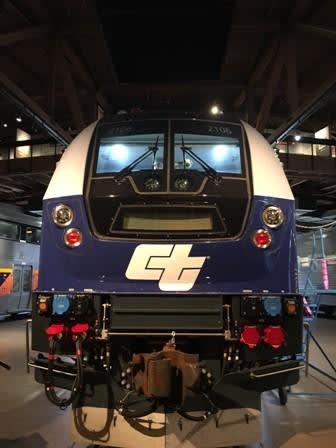
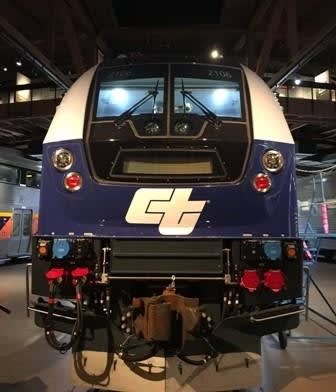
Amidst vintage rail cars at the California State Railroad Museum, the public got its first official look at one of the newest locomotives soon to be on the rails: the Siemens Charger Clean Diesel-Electric Locomotives. The California-built, environmentally-friendly Charger locomotives will begin operation of revenue testing on the Capitol Corridor service before the end of this month. Officials on hand for the 2017 California Passenger Rail Summit, taking place in Sacramento April 18-19, celebrated the arrival of the clean locomotives.
“These Chargers will help provide California’s passenger rail services with a fleet of locomotives that meet very stringent emission standards,” said Caltrans Director, Malcolm Dougherty. “Not only will they make for a more sustainable transportation system, but are also expected to improve reliability and help efforts to double current statewide ridership of 5.4 million passengers by 2040.”
The locomotives are the first high-speed passenger locomotives to receive Tier IV emissions certification from the FRA. The new locomotives, six in all for Northern California, are part of a larger, multi-state procurement. Siemens is building the Charger locomotives out of its nearly 1,000-person rail manufacturing hub in Sacramento, California for transportation agencies in California (Caltrans), Illinois (IDOT), Washington (WSDOT) and Maryland (MTA). Additional states served by the procurement are Oregon, Wisconsin, Missouri, Michigan and Iowa. Each Buy-American compliant locomotive costs approximately $6 million — funding for the California locomotives came from Federal Recovery Act Funds and California Proposition 1B Infrastructure Bonds.
Power
The Charger locomotive is powered by a high-performance, environmentally friendly, 4,400 horsepower-rated Cummins QSK95 diesel engine, and are designed to operate at speeds up to 125 miles per hour.
Rider Experience
The powerful diesel-electric operation allows for better acceleration, cleaner emissions, and low noise levels for passengers on-board and waiting at the platform. The Chargers also feature an attractive streamlined design and smoother traction control which results in better ride quality for passengers.
Cleaner Rail Travel
The Charger locomotives are equipped with electronically-controlled regenerative braking systems that use energy from the traction motors during braking to feed the auxiliary and head-end power systems to minimize fuel consumption. Also, the new Charger locomotives, using the QSK95 Cummins engine, provide a 16% improvement in fuel efficiency over the non-Tier 4-certified locomotives that the Charger will replace in Washington and California.
The Charger locomotives are expected to begin a 30-day period of revenue testing on the Capitol Corridor before the end of April. Once testing is complete, they will begin service on the Capitol Corridor and San Joaquin routes.
More Rail

New York MTA Advances Final Contract for Second Avenue Subway Expansion
Contract Four is the largest in the Second Avenue Subway Phase 2 project and includes construction of station infrastructure, tracks, and signals for the subway expansion, MTA officials said. Work on Contract Four will begin in 2027.
Read More →
San Diego MTS Breaks Monthly Trolley Ridership Record
Agency officials said July’s ridership indicates MTS’s continued recovery from the pandemic.
Read More →
Report Examines NJ TRANSIT Reliability, Funding Challenges
The Garden State Initiative analysis examines the roles of Amtrak infrastructure, fleet management, and agency operations while recommending a more performance-based approach to improving reliability.
Read More →
Stadler, CapMetro Sign Long-Term Rail Fleet Support Agreement
Beginning in 2027, Stadler will provide on-site technical expertise, spare parts support, training, and obsolescence management to help extend the reliability and longevity of CapMetro’s GTW fleet.
Read More →
Biz Briefs: Alstom Lands Canadian Contract, LYT to Supply California TSP, and More
In METRO's latest installment, we take a look at recent news from Complete Coach Works, Beep, FlixBus, and more partnerships making headlines across the transportation sector.
Read More →
CATS Gold Line Marks 5 Years of Service, 2.8M Passenger Trips
With a six-mile expansion planned, the Charlotte streetcar is positioned to connect more neighborhoods and major transit hubs across the region.
Read More →
Why Simulating Pedestrian Movement Has Become Essential for Modern Rail Stations
Pedestrian microsimulation is helping rail planners identify bottlenecks, test station designs, and prepare complex transit hubs for growing passenger volumes.
Read More →
Amtrak Begins Major Construction at New York’s Sunnyside Yard
The new maintenance facility will support Amtrak’s Airo trainsets while improving maintenance efficiency and turnaround times in New York.
Read More →
Chicago Leaders Unveil Plans for O’Hare Airport Express Train
The privately developed project would offer a 15-minute trip between downtown and O’Hare’s Terminal 2, with trains operating every 15 minutes on a dedicated track. The service would use battery-electric trains and three existing freight rail rights-of-way.
Read More →
OCTA Maps Out 30-Year Strategy to Protect Coastal Rail Corridor
The draft feasibility report identifies strategies to protect the coastal rail line for decades as the agency continues near-term stabilization and sand placement efforts.
Read More →