




RELATED: Siemens completes first car shell for Florida's Brightline rail service
Siemens expands Sacramento footprint with new rail services headquarters
Siemens to refurbish 32 Calgary Transit light rail vehicles, among many other rail service projects, at new 60,000 square-foot facility.
February 1, 2016
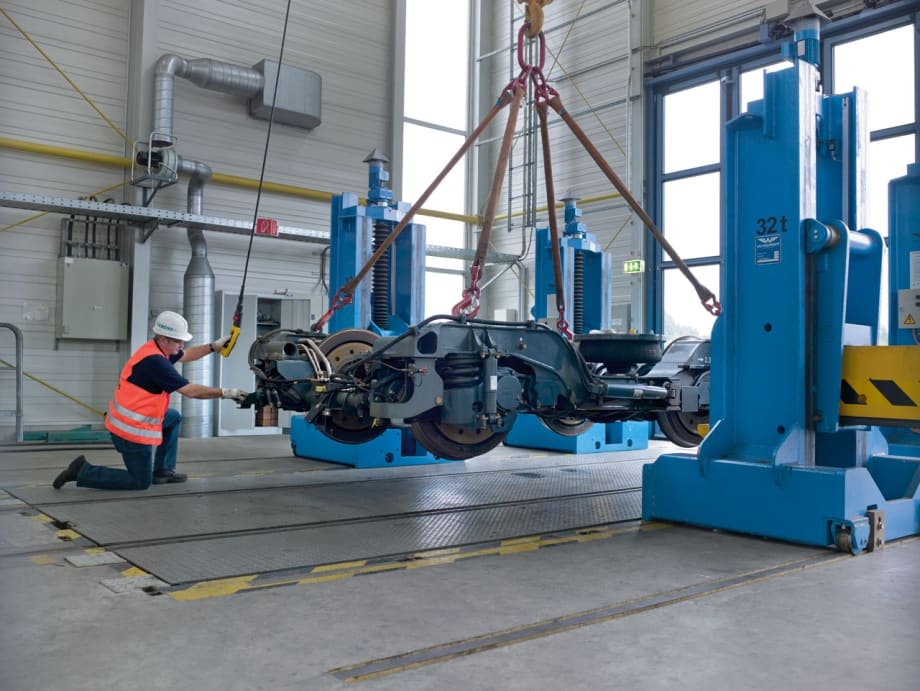
Siemens new Sacramento plant will be dedicated to rail service, maintenance and repair.
2 min to read
Siemens new Sacramento plant will be dedicated to rail service, maintenance and repair.
Siemens has announced it is expanding its footprint in Sacramento, Calif. by opening a new 60,000-square-foot plant solely dedicated to its growing rail service, maintenance and repair operations. The new site, located in McClellan Park, will be Siemens Mobility Customer Services U.S. headquarters and West Coast logistics hub.
It will house the company’s rail refurbishment operations, rail bogie service center, accident repair, spare parts delivery, and administrative offices. One of the first projects at the new facility will be a $21 million contract to modernize 32 SD160 light rail vehicles for Calgary Transit in Alberta, Canada.
“We’re thrilled to expand our already significant footprint in the Sacramento region with the opening of this new rail service facility,” said Chris Maynard, head of Customer Service for Siemens Mobility. “This expansion signals our dedication to servicing and modernizing rail systems across North America while continuing to deliver industry-leading manufacturing expertise, ensuring that our customers can continue to make the most of their rail systems.”
The Calgary Transit refurbishment project will include upgrading passenger information systems for better interoperability across the fleet, improved wheel-set systems for easier maintenance, updated flooring and seating, and modernizations to the operators’ cab interior and dash. These improvements will result in a similar look and feel to the 63 new S200 light rail vehicles for Calgary currently being manufactured by Siemens Rolling Stock in Sacramento.
The Customer Services business is also partnering with Sacramento Regional Transit (RT) to complete the refurbishment of 21 light rail vehicles for the RT system. The refurbishments will add approximately 15 years of additional useful life to the vehicles. Refurbished light rail vehicles are currently in operation on the Blue Line to Cosumnes River College extension.
The new rail service facility will complement Siemens existing rail manufacturing operations in Sacramento. The manufacturing plant located in South Sacramento, which has been in operation for almost 30 years, currently employs over 800 people, and includes a recent 125,000-square-foot expansion to accommodate growing production needs.
Siemens will employ over 30 people at the new McClellan Park facility and will begin operations in early February. McClellan Park formerly known as McClellan Air Force Base is undergoing a privatized revitalization, the 8 million-square-foot business park is now home to 200+ industrial and office tenants.
More Rail

New York MTA Advances Final Contract for Second Avenue Subway Expansion
Contract Four is the largest in the Second Avenue Subway Phase 2 project and includes construction of station infrastructure, tracks, and signals for the subway expansion, MTA officials said. Work on Contract Four will begin in 2027.
Read More →
San Diego MTS Breaks Monthly Trolley Ridership Record
Agency officials said July’s ridership indicates MTS’s continued recovery from the pandemic.
Read More →
Report Examines NJ TRANSIT Reliability, Funding Challenges
The Garden State Initiative analysis examines the roles of Amtrak infrastructure, fleet management, and agency operations while recommending a more performance-based approach to improving reliability.
Read More →
Stadler, CapMetro Sign Long-Term Rail Fleet Support Agreement
Beginning in 2027, Stadler will provide on-site technical expertise, spare parts support, training, and obsolescence management to help extend the reliability and longevity of CapMetro’s GTW fleet.
Read More →
Biz Briefs: Alstom Lands Canadian Contract, LYT to Supply California TSP, and More
In METRO's latest installment, we take a look at recent news from Complete Coach Works, Beep, FlixBus, and more partnerships making headlines across the transportation sector.
Read More →
CATS Gold Line Marks 5 Years of Service, 2.8M Passenger Trips
With a six-mile expansion planned, the Charlotte streetcar is positioned to connect more neighborhoods and major transit hubs across the region.
Read More →
Why Simulating Pedestrian Movement Has Become Essential for Modern Rail Stations
Pedestrian microsimulation is helping rail planners identify bottlenecks, test station designs, and prepare complex transit hubs for growing passenger volumes.
Read More →
Amtrak Begins Major Construction at New York’s Sunnyside Yard
The new maintenance facility will support Amtrak’s Airo trainsets while improving maintenance efficiency and turnaround times in New York.
Read More →
Chicago Leaders Unveil Plans for O’Hare Airport Express Train
The privately developed project would offer a 15-minute trip between downtown and O’Hare’s Terminal 2, with trains operating every 15 minutes on a dedicated track. The service would use battery-electric trains and three existing freight rail rights-of-way.
Read More →
OCTA Maps Out 30-Year Strategy to Protect Coastal Rail Corridor
The draft feasibility report identifies strategies to protect the coastal rail line for decades as the agency continues near-term stabilization and sand placement efforts.
Read More →