



So. Fla. university launches car-sharing program
Vehicles will be parked in designated spots in two locations on campus, allowing students, employees and others who are at least 18 years old and who have preregistered as WeCar members to access them quickly and easily when they need them.

The University of South Florida and WeCar, car-sharing by Enterprise Rent-A-Car, are taking a new approach toward reducing pollution and traffic congestion, making USF one of just a handful of campuses nationwide to join the WeCar program, which launched today.
WeCar allows drivers to rent cars – three Toyota Prius hybrids and one Ford Escape hybrid – for a few hours at a time, allowing those who want to use public transportation to get to work on the USF campus or students who want to forgo a car an option for the occasional errand or as backup transportation. The first on-campus car-sharing program was launched last year at Washington University in St. Louis.
The vehicles will be parked in designated spots in two locations on campus, allowing USF students, employees and others who are at least 18 years old and who have preregistered as WeCar members to access them quickly and easily when they need them.
“Car-sharing is an innovative development that allows people to make use of alternative forms of transportation such as walking, bicycling, or using public transportation and still be able to access an auto for short term needs,” Ed Mierzejewski, director of USF’s Center for Urban Transportation. “You only pay for the amount of time you need the car. You aren’t paying for a car sitting in your driveway or parking space for 23 hours per day, when you only need it for an hour.”
The WeCar service is a new step for the USF community is meeting goals set in the American College and University Presidents Climate Commitment to reduce the carbon footprint of the campus to zero.
“We are excited to be part of this program at USF, offering an all-hybrid car-sharing program to students, faculty and staff,” said Ryan Johnson assistant vice president for WeCar. “WeCar provides a convenient, cost-effective, and environmentally friendly hourly car rental option designed to provide an innovative solution to parking and transportation challenges at the university.”
WeCar also will serve as a research project for USF’s Center for Urban Transportation Research which will spend the next 18 months studying the program’s impact on transit behavior. The study is being conducted in conjunction with grants from the United States Department of Transportation and the State of Florida Department of Transportation and will determine whether WeCar helps reduce car trips to campus.
USF students, staff and faculty are offered free or reduced fair rides on HARTline buses while those who carpool or take the bus to work also can use USF’s Emergency Ride Home, which offers free taxi rides to commuters when an urgent matter arises and they need quick transportation.
“The research project aspects of the project will examine changes in travel behavior through variable pricing mechanisms,” said Phil Winters, Transportation Demand Management program manager at CUTR. “Our hypothesis is that participants in the car-sharing program will modify their travel behavior based on a dynamic pricing structure and increase use of transit, USF’s BullRunner shuttle, carpooling, biking and walking.”
Those interested in WeCar can visit http://www.carsharing.usf.edu/ to register online.
More Bus
Brian Dickson on Building Stronger, More Resilient Transportation Organizations
Bus Business Consultants Founder Brian Dickson discusses the leadership principles, operational discipline, and strategic planning that separate transportation companies positioned for long-term success from those stuck in survival mode.
Read More →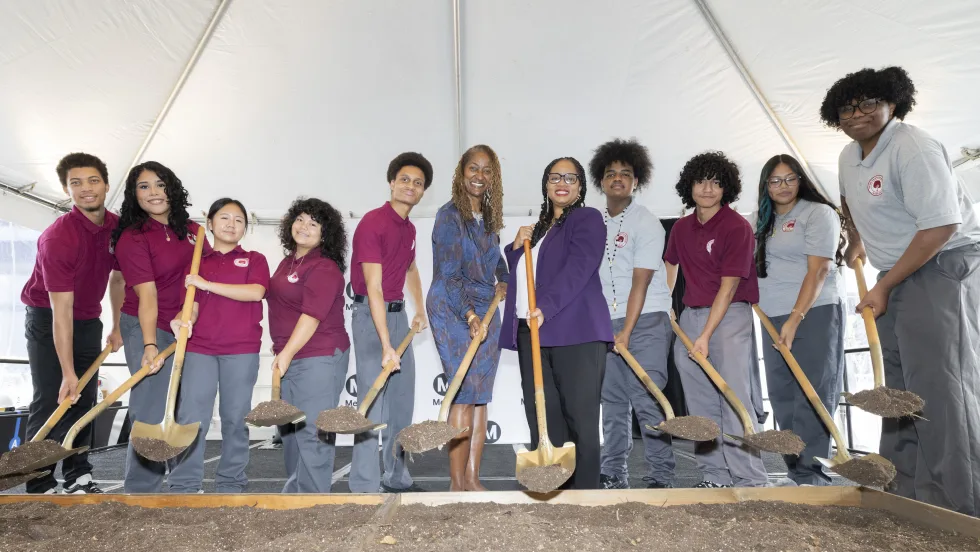
LA Metro Breaks Ground on Vermont BRT Project
The 12.4-mile corridor is projected to serve 66,200 daily riders, reduce travel times by up to 24%, and create the nation's busiest bus rapid transit corridor.
Read More →
Roman Cornell on ABC Companies’ Evolution and the Future of Passenger Transportation
The company’s CEO discusses carrying forward a third-generation family legacy, ABC’s continued evolution in passenger transportation, support for increasingly complex fleets, and how technology and continued investment could help operators improve uptime.
Read More →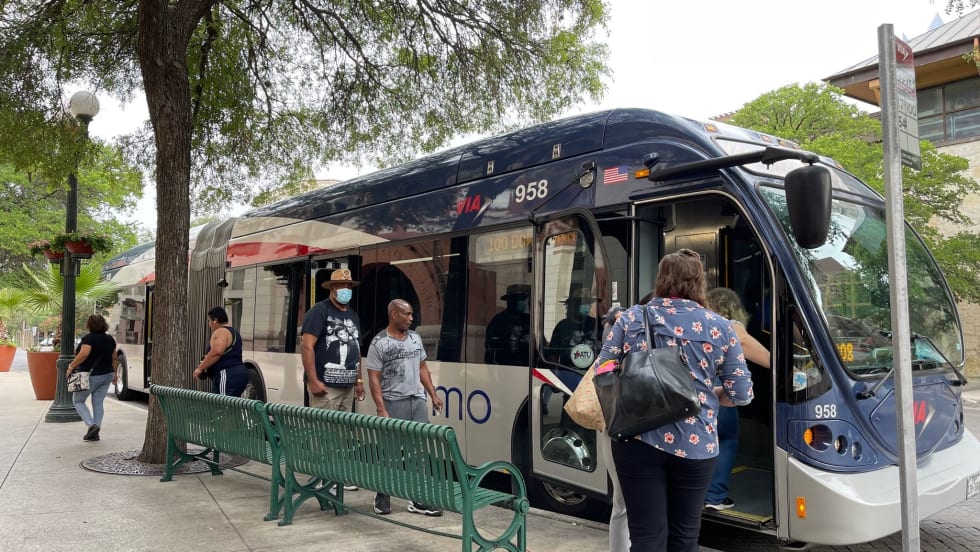
VIA Bus Ridership Grows 10.1% Through August 2026
San Antonio's VIA Metropolitan Transit reported the highest bus ridership growth among major Texas transit systems. Federal Transit Administration data ranked it second among the nation's 50 largest transit systems.
Read More →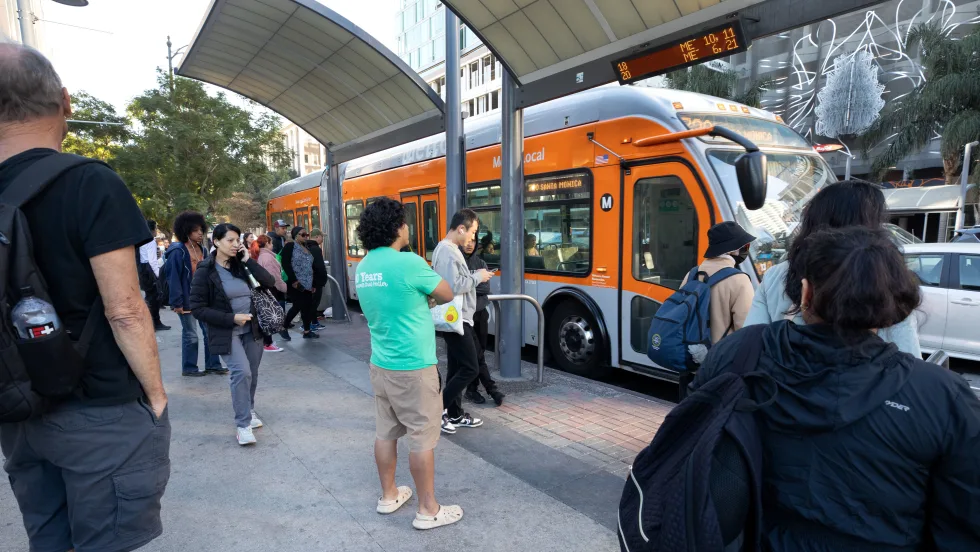
LA Metro September Ridership Climbs 3.9%, Led by Rail Growth
The agency recorded more than 27.2 million boardings, with rail ridership increasing 12.4% year over year and the D Line posting the largest gains.
Read More →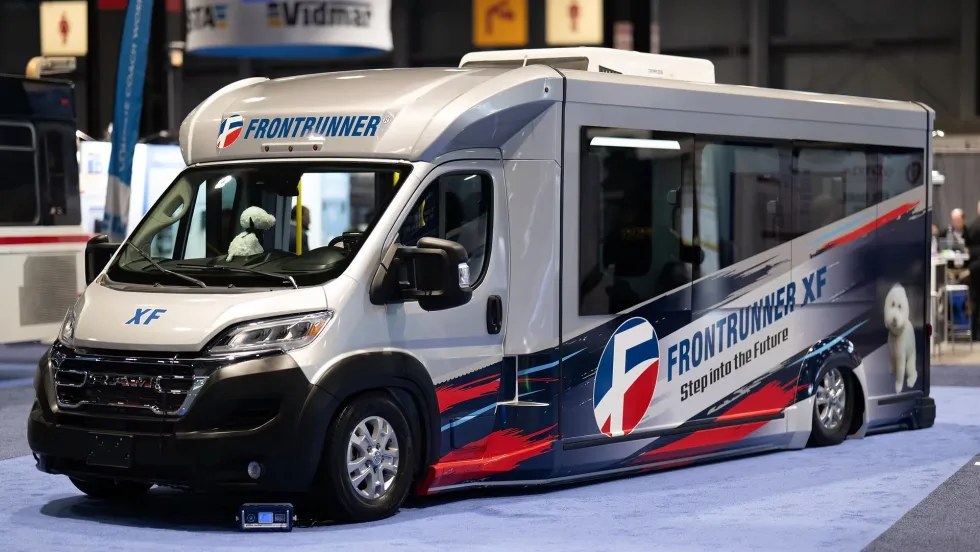
Frontrunner Bus Group Introduces XF Low-Floor Bus with Enhanced Accessibility
The new mid-sized bus features a full flat-floor design, eight-inch curbside step-in height, and zero-entry rear ramp to improve passenger access and operational flexibility.
Read More →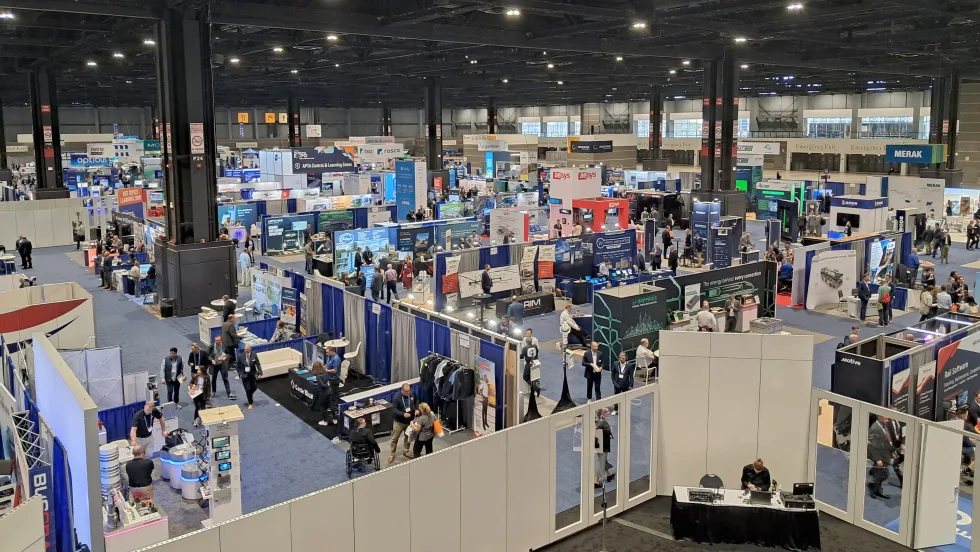
Scenes from APTA TRANSform & EXPO 2026
Transit leaders, manufacturers, and industry professionals gathered in Chicago to explore new technologies, share ideas, and discuss the future of public transportation.
Read More →
More Than a Summer Job: Building the Next Generation of Transit Talent
The Delaware River Port Authority and PATCO have transformed their internship program into a hands-on professional development experience that introduces students to the breadth of transportation careers — and creates a pipeline for future employees.
Read More →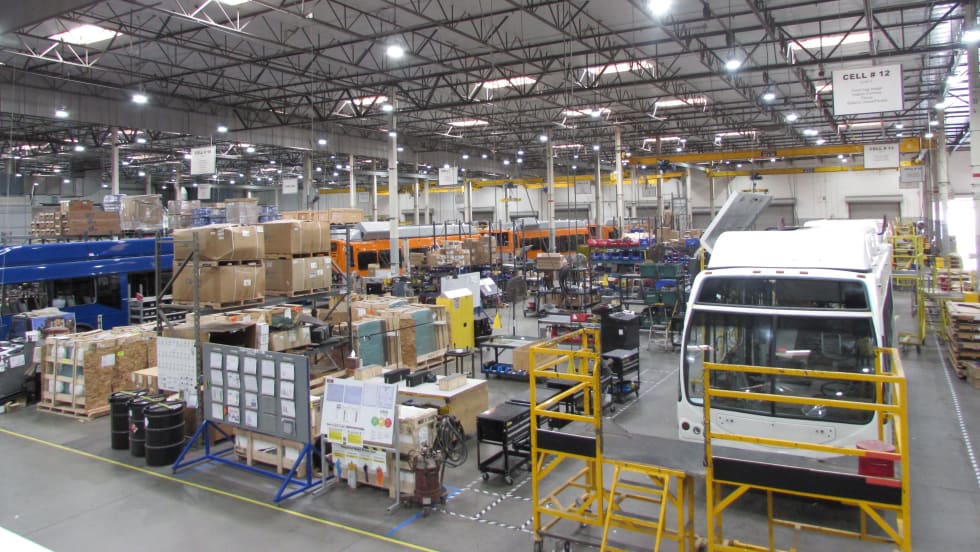
LA Metro Board Awards 220 Battery-Electric Bus Contract to ENC
The contract, which is the largest base award of battery-electric buses by a U.S. transit agency, will be built in Southern California, sustaining good jobs as LA prepares to welcome the world in 2028
Read More →
Public Transit Conference Returning to GFX in 2027, Call for Papers Now Open
The Call for Papers is now open, allowing transit agency professionals and industry experts to help shape the PTC educational program by submitting session ideas for consideration.
Read More →