




RELATED: DOT launches council to support emerging transport tech
Startup releases pre-feasability study for hyperloop line in Thailand
Toronto-based TransPod's hyperloop line would link Bangkok to Chiang Mai, with an extension to Phuket.
April 3, 2019
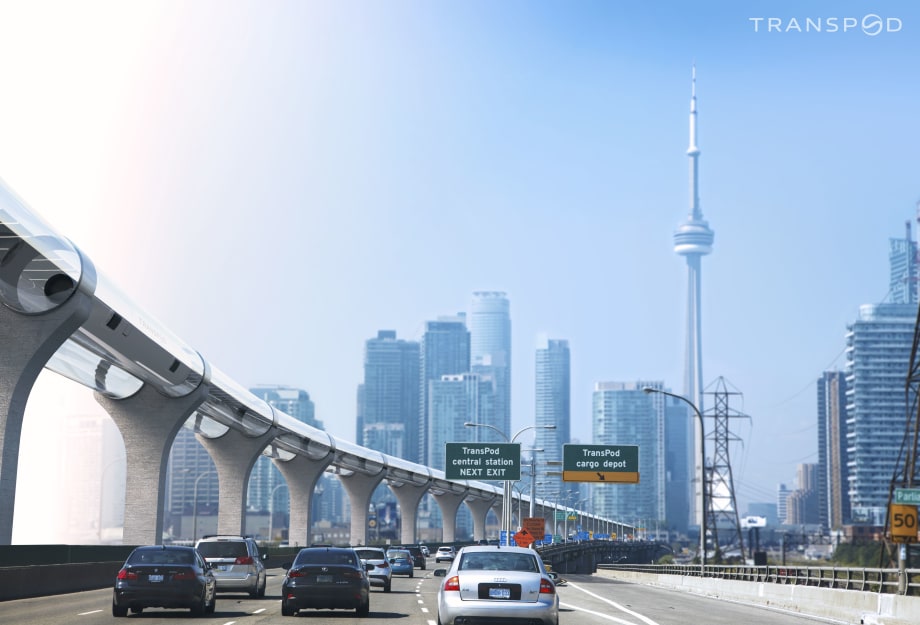
Rendering of TransPod system in Toronto.
TransPod
2 min to read
Rendering of TransPod system in Toronto.
TransPod
TransPod, a Toronto-based hyperloop startup, released the results of its pre-feasibility study for a TransPod hyperloop line in Thailand from Bangkok to Chiang Mai, with an extension to Phuket.
The study demonstrates that a TransPod transportation system would result in an economic rate of return (ERR) of 13.78% for five years of construction and 30 years of operation, and an increase in gross domestic product (GDP) of 4.7%.
The average speed of the TransPod vehicles will be 700 km/h, and its top speed is beyond 1,000 km/h. This is more than four times faster than HSR, which is projected to travel at an average speed of 150 km/h and a maximum speed of 250 km/h.
TransPod’s technology is powered by renewable energies including self-sustainable solar power with zero fossil fuel consumption, for reduced carbon emissions.
The company presented the results in partnership with the leader of Thailand’s national Future Forward Party, with a joint goal to advance the country’s infrastructure and elevate its position as Southeast Asia’s leader in tech innovation.
TransPod’s pre-feasibility study highlights the benefits of a TransPod line, which include the following:
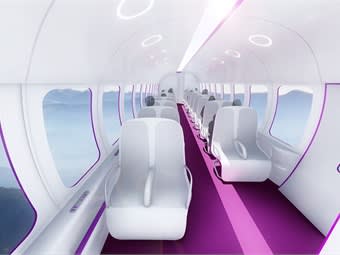
Interior rendering of TransPod hyperloop capsule.
TransPod
Economic benefits:
Increase in national GDP: 4.7%
Economic rate of return (ERR): 13.78%
Total number of jobs created: 184,000 jobs
Environmental benefits:
Reduction in carbon emissions: 1.2 million tons per year
Human benefits:
Savings on travel time: 200 million hours per year
Reduction in road traffic fatalities: 16,000 casualties per year
More Technology

From Hardware to Digital Partner: Luminator Charts Its Next Chapter
CEO Magnus Friberg discusses Luminator’s shift toward becoming a digital partner, the growing importance of software and interoperability, and how AI can help agencies improve operations and passenger experience.
Read More →
Beyond the Checklist: A Structured Approach to Transit Maintenance
Reliability-Centered Maintenance helps transit agencies move beyond routine checklists to focus limited resources on the assets and failures that have the greatest impact on safety, reliability, and service.
Read More →
NJ TRANSIT Advances Bus Technology Upgrades Across Statewide Fleet
More than 1,500 buses now feature upgraded technology designed to improve arrival predictions and provide free Wi-Fi, with deployment expected to reach nearly 2,000 buses by the end of 2026.
Read More →

Building a Flexible Path to Transit Electrification
John Hroncich discusses BAE Systems’ modular and scalable approach, lessons learned from decades of real-world operations, and how agencies can identify electrification strategies that fit their fleets.
Read More →
Biz Briefs: Alstom Lands Canadian Contract, LYT to Supply California TSP, and More
In METRO's latest installment, we take a look at recent news from Complete Coach Works, Beep, FlixBus, and more partnerships making headlines across the transportation sector.
Read More →
Sponsored•September 8, 2026
From Legacy Silos to Conversational Intelligence
What if transit leaders could ask any operational question and get a trusted answer in seconds? Conversational AI is transforming how agencies use their data.
Read More →
USDOT Announces Rail Vehicle Replacement Grants, Chattanooga AV Shuttle Funding
More than $191 million in federal funding will help three transit agencies replace aging rail vehicles and support a new autonomous shuttle service in Chattanooga.
Read More →
Bus Tech Talk: Keeping Transit Technicians Ahead of the Technology Curve
LA Metro’s Obed Mejia discusses technician training, evolving maintenance technology, fleet replacement, and strategies for getting the most out of today’s transit fleets.
Read More →
Biz Briefs: RIPTA Unveils New Frontrunners, Clevland RTA Adds New Siemens, and More
In METRO's latest installment, we take a look at recent news from Siemens, Prevost, Dodge, and more partnerships making headlines across the transportation sector.
Read More →
Why Simulating Pedestrian Movement Has Become Essential for Modern Rail Stations
Pedestrian microsimulation is helping rail planners identify bottlenecks, test station designs, and prepare complex transit hubs for growing passenger volumes.
Read More →