



Study: BRT is best transit option to cut emissions
BRT can achieve nearly three times the greenhouse gas emissions reductions than would be possible with rail.

Bus rapid transit (BRT) is a better option to fight global warming than rail transit powered by electricity generated from fossil fuels, according to a new study released Thursday. The study by Breakthrough Technologies Institute (BTI), a Washington, D.C.-based non-profit, was published in the Journal for Public Transportation. BRT can achieve nearly three times the greenhouse gas emissions reductions than would be possible with rail in a typical U.S. city, reported the analysis. "BRT ought to be a serious option for any city that wants to promote public transportation and reduce global warming emissions," said Bill Vincent, BTI chief counsel and lead author of the study. Because transportation accounts for nearly one-third of U.S. greenhouse gas emissions, public transit is often an important part of the strategy to reduce emissions. Electric rail systems generally fail to maximize greenhouse gas reductions because they typically rely upon electricity from coal and natural-gas fired power plants, the nation's leading greenhouse gas emitters, said a BTI statement. BRT does not require electricity for propulsion, and modern BRT systems have lower emissions per passenger mile than typical city bus systems. For more information on the study, "The Potential for Bus Rapid Transit to Reduce Transportation-Related CO2 Emissions," log on to www.nctr.usf.edu/jpt/journalfulltext.htm
More Bus
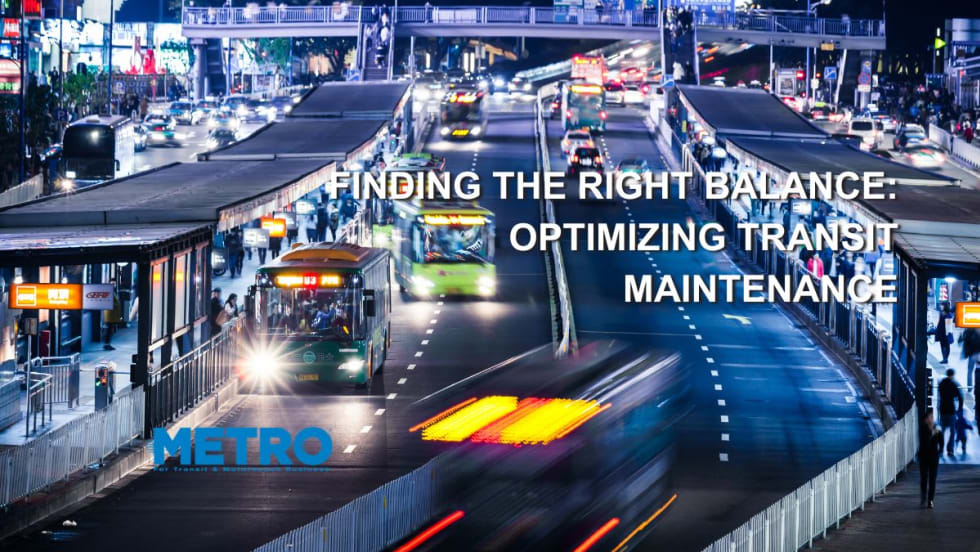
Finding the ‘Happy Medium’: Optimizing Maintenance Without Sacrificing Reliability
The key to maintenance optimization isn’t doing less work—it’s doing the right work at the right time on the right assets.
Read More →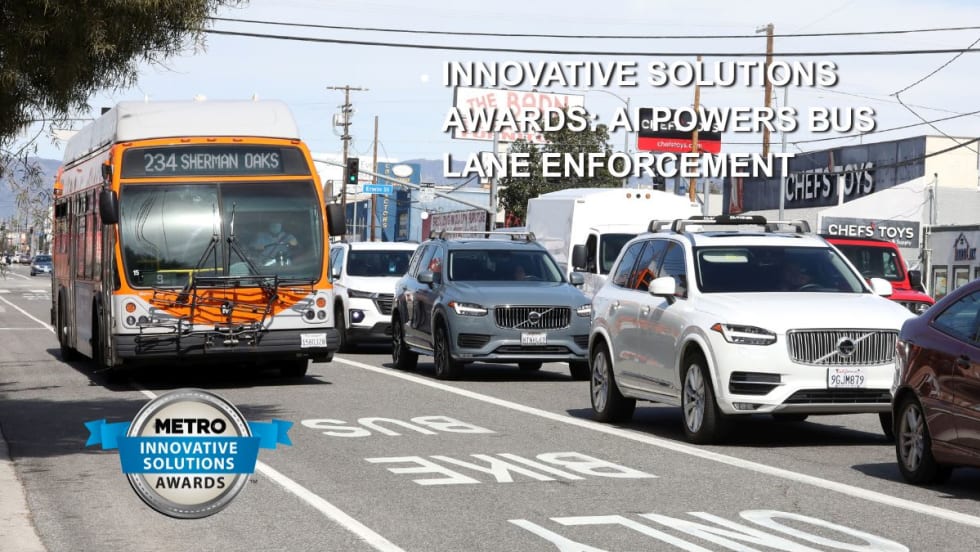
LA Metro, City of West Hollywood, and Partners Advance Smarter Bus Lane Enforcement
The award-winning partnership combines AI-powered detection with human oversight to improve bus reliability, accessibility, and enforcement efficiency.
Read More →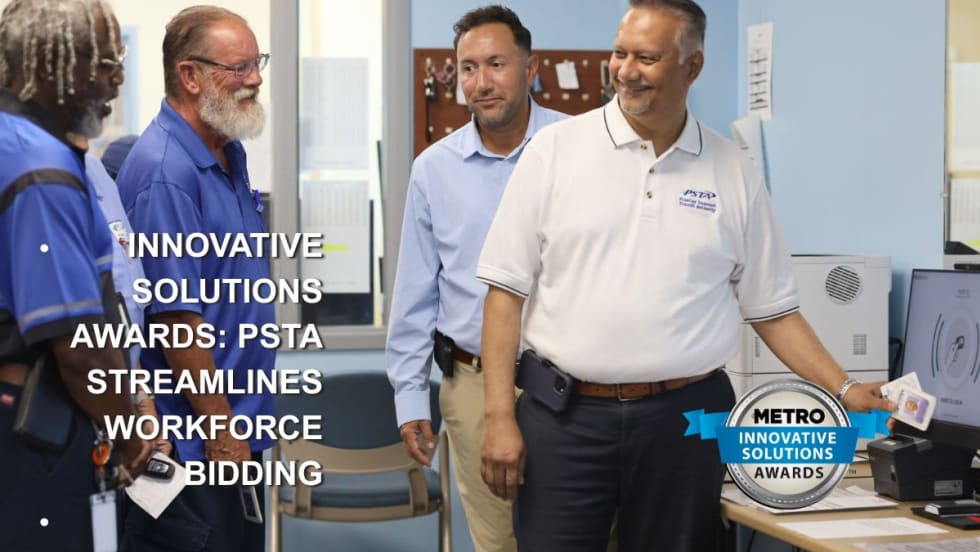
PSTA Modernizes Workforce Management with Digital Bidding System
The award-winning Workforce Transit Modernization project replaced paper bidding with a transparent digital platform, cutting administrative effort while improving access for operators.
Read More →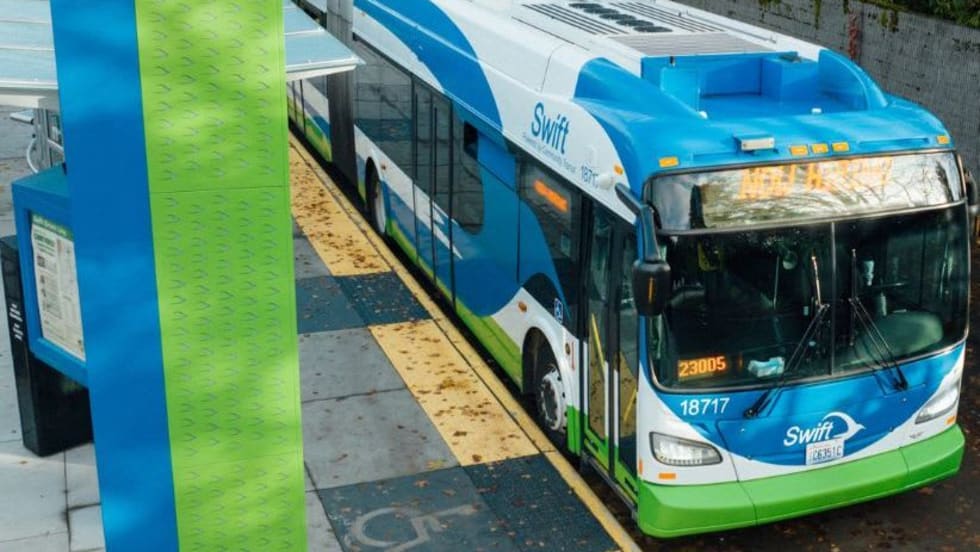
Washington's Community Transit Sets Six-Year Roadmap for Growth, Expansion
Approved TDP targets more bus service, new mobility options, Swift BRT expansion, and a potential Everett Transit annexation.
Read More →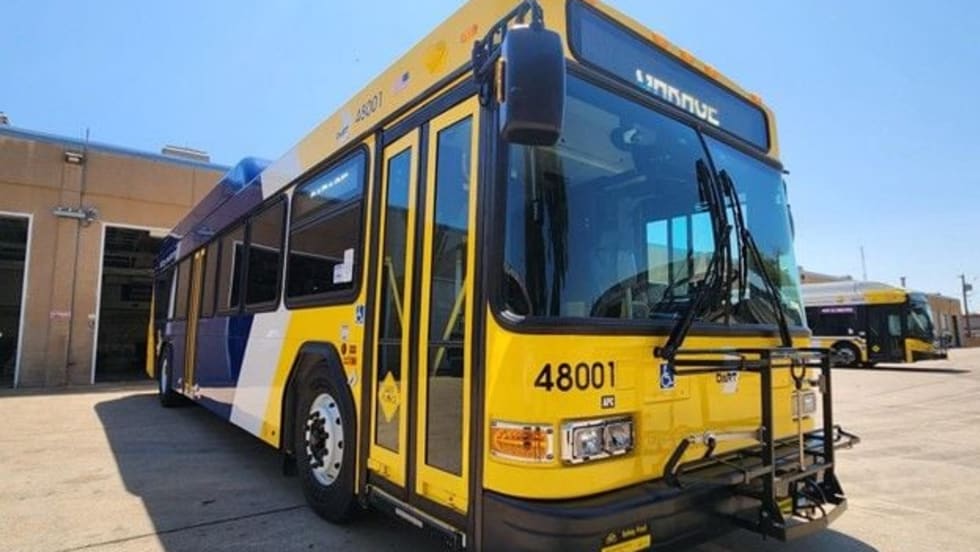
DART Customer Satisfaction Reaches Six-Year High
Overall satisfaction rose to 74.9%, while the agency’s Net Promoter Score reached a record 33.7.
Read More →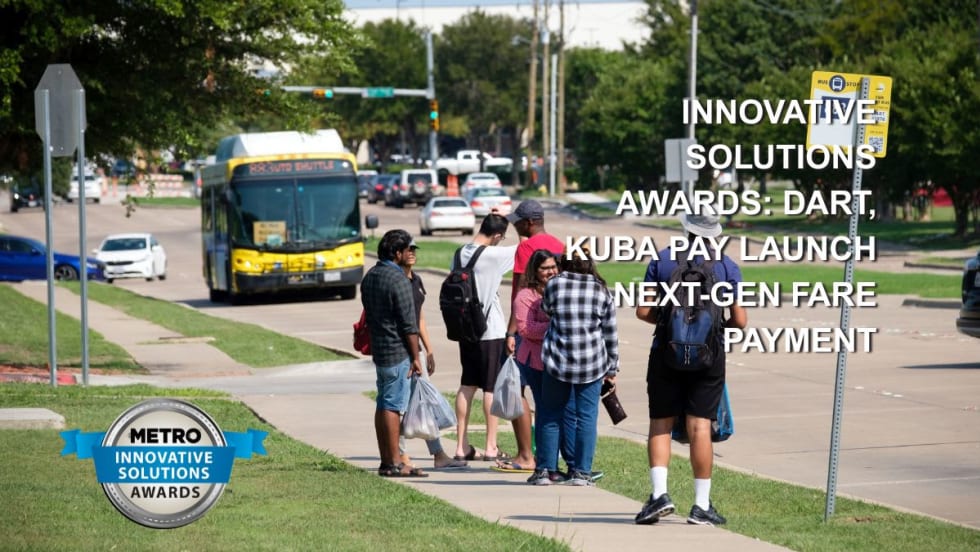
How DART's GoPass Is Redefining Regional Mobility
Serving 14 transit agencies, GoPass simplifies multimodal travel by allowing riders to plan, pay for, and manage an entire trip through one app.
Read More →
Biz Briefs: OCTA Taps Clean Energy for Hydrogen Station, Stadler to Supply Via Rail Vehicles, and More
From manufacturers and suppliers to transit agencies and motorcoach operators, these updates offer a snapshot of the projects, partnerships and business moves driving the industry forward.
Read More →
METRO Magazine Announces 2026 Innovative Solutions Awards Winners
Projects Recognized for Advancing Mobility Through Technology, Accessibility, Workforce Innovation, and Operational Excellence
Read More →
Biz Briefs: STV teams with Amtrak, Motorcoach Operators Boost Fleet and Land Contracts, and More
From manufacturers and suppliers to transit agencies and motorcoach operators, these updates offer a snapshot of the projects, partnerships and business moves driving the industry forward.
Read More →
LA Metro Marks Banner Year, Sets Ambitious Goals for New Fiscal Year
Incoming LA Metro Board Chair and Los Angeles Mayor Karen Bass joined outgoing Board Chair Fernando Dutra and LA Metro CEO Stephanie Wiggins to review accomplishments from fiscal year 2026, which included the opening of new rail extensions, advancement of major transit projects, expanded safety programs, and new rider amenities.
Read More →