




RELATED: 6 Ways High-Speed Rail Will Benefit Texas, Transportation
Texas bullet train builder expands leadership, adds Aguilar as CEO
Tim Keith becomes president and will lead capital raising and external affairs.
December 7, 2016

Carlos Aguilar
2 min to read
Carlos Aguilar
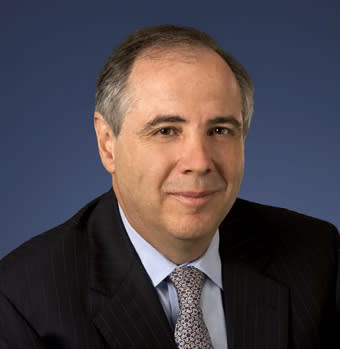
Texas Central Partners, developer of a new high-speed train connecting North Texas and Houston, today announced that it has named Carlos F. Aguilar as the new CEO of of the company and its subsidiaries.
The announcement highlights the progress of Texas Central’s project from the development stage to the planning, engineering and construction phase. Over the last two years, Texas Central has been proceeding with the necessary environmental, design, engineering, field studies and related work as part of the Federal Railroad Administration’s (FRA) preparation of an Environmental Impact Statement as well as discussions with those FRA components responsible for safety and technology issues.
The private Texas-based company is developing the nation’s first high-speed passenger train connecting North Texas and Houston, with a midway stop in the Brazos Valley. Texas Central and its affiliated entities will be responsible for the system’s design, finance, construction, operation and maintenance. The company’s market-led approach is backed by private investors, not government grants, a new business model for infrastructure projects.
For the last 16 months, Tim Keith has been the CEO, responsible for managing all aspects of the development phase of the project, including planning, government relations, public and business community engagement, regulatory processes and the raising of equity capital. He will continue as Texas Central president, reporting to Aguilar and will continue to focus on capital markets and financing, operations and external affairs.
Aguilar, formerly a sr. VP at CH2M Hill, has an extensive background in industrial and infrastructure work, and his appointment — effective December 12 — reflects the Texas project’s focus on the next phase of construction and operations.
Aguilar, while at CH2M, served on its Management Committee and was chairman of the CCPP Project Consortium for the Ichthys LNG Facility. Before that, he was president of BrightSource Construction Management and sr. VP at BrightSource Energy, developer of large-scale solar thermal power plants. He led the development, engineering, procurement and construction of the company’s portfolio of projects, including the development and construction of Ivanpah Solar Electricity Generating System, the largest solar thermal plant in the world.
In his 12 years with Bechtel Corp. he held several leadership roles, including principal VP, Bechtel Power Corp.; president, Bechtel Financing Services; and COO of United Infrastructure Co., Bechtel Group’s civil infrastructure investment company. He also was regional operations manager, chief engineer and environmental officer for the private sector equity and financing arm of the Inter-American Development Bank Group.
More Rail

New York MTA Advances Final Contract for Second Avenue Subway Expansion
Contract Four is the largest in the Second Avenue Subway Phase 2 project and includes construction of station infrastructure, tracks, and signals for the subway expansion, MTA officials said. Work on Contract Four will begin in 2027.
Read More →
San Diego MTS Breaks Monthly Trolley Ridership Record
Agency officials said July’s ridership indicates MTS’s continued recovery from the pandemic.
Read More →
Report Examines NJ TRANSIT Reliability, Funding Challenges
The Garden State Initiative analysis examines the roles of Amtrak infrastructure, fleet management, and agency operations while recommending a more performance-based approach to improving reliability.
Read More →
Stadler, CapMetro Sign Long-Term Rail Fleet Support Agreement
Beginning in 2027, Stadler will provide on-site technical expertise, spare parts support, training, and obsolescence management to help extend the reliability and longevity of CapMetro’s GTW fleet.
Read More →
Biz Briefs: Alstom Lands Canadian Contract, LYT to Supply California TSP, and More
In METRO's latest installment, we take a look at recent news from Complete Coach Works, Beep, FlixBus, and more partnerships making headlines across the transportation sector.
Read More →
CATS Gold Line Marks 5 Years of Service, 2.8M Passenger Trips
With a six-mile expansion planned, the Charlotte streetcar is positioned to connect more neighborhoods and major transit hubs across the region.
Read More →
Why Simulating Pedestrian Movement Has Become Essential for Modern Rail Stations
Pedestrian microsimulation is helping rail planners identify bottlenecks, test station designs, and prepare complex transit hubs for growing passenger volumes.
Read More →
Amtrak Begins Major Construction at New York’s Sunnyside Yard
The new maintenance facility will support Amtrak’s Airo trainsets while improving maintenance efficiency and turnaround times in New York.
Read More →
Chicago Leaders Unveil Plans for O’Hare Airport Express Train
The privately developed project would offer a 15-minute trip between downtown and O’Hare’s Terminal 2, with trains operating every 15 minutes on a dedicated track. The service would use battery-electric trains and three existing freight rail rights-of-way.
Read More →
OCTA Maps Out 30-Year Strategy to Protect Coastal Rail Corridor
The draft feasibility report identifies strategies to protect the coastal rail line for decades as the agency continues near-term stabilization and sand placement efforts.
Read More →