




RELATED: OLI awards $204K for rail crossing safety campaigns
To curb tragedies, OLI releases video addressing train track photography
The animated video public service announcement is the first in a new series drawing attention to the illegal and dangerous activity of train track photos.
December 1, 2015

Operation Lifesaver VPSA screenshot.
2 min to read

Operation Lifesaver VPSA screenshot.
Alarmed by an increase in deadly incidents involving photography and railroad tracks, the national nonprofit rail safety education group Operation Lifesaver Inc. (OLI) is releasing a new animated video public service announcement (VPSA) to raise awareness among professional photographers of the dangers of this trend. The VPSA is the first in a new series drawing attention to the illegal and dangerous activity of train track photos.
“Operation Lifesaver shares a growing concern about this deadly trend with our partners at the Federal Railroad Administration (FRA), who funded the video,” said OLI President/CEO Joyce Rose. “Five deaths have been attributed to photography and filming on U.S. railroad tracks to date this year, with 13 deaths and four injuries from these activities since 2011. With more train track photos being posted online each day, we fear that these preventable incidents will continue. This VPSA is part of our effort to engage with the photography community,” she stated.
Rose said the VPSA will be available on the OLI website, via social media and on the website for Operation Lifesaver’s ongoing “See Tracks? Think Train!” campaign.
No Photo is Worth the Risk from Operation Lifesaver on Vimeo.
“Capturing what are supposed to be joyful moments and happy life events are too often becoming painful, heartbreaking tales for families and communities,” says Jamie Rennert, FRA’s highway-rail grade crossing safety task force lead. “Anyone considering a railroad track as a backdrop for any activity, especially photography, should think twice. No photo is worth the risk. Trespassing is always illegal and often fatal. When you see tracks, always assume there is a train.”
Professional Photographers of America (PPA) also will make the video available to its members, Rose said. In October, Operation Lifesaver partnered with PPA on a webinar, “Safety First: Photography Near Tracks and Trains.” OLI has also blogged about the issue and released sharable social graphics aimed at photographers, selfie-takers and friends.
Operation Lifesaver launched the “See Tracks? Think Train!” campaign in 2014. Preliminary 2014 statistics from the FRA cite an increase of 4.4 percent in overall trespass casualties and 13 percent in trespass deaths; trespass injuries fell 3.9 percent. Early indications are that trespass incidents continue to rise in 2015.
“Our outreach to the photography community is an urgent step in curbing these incidents,” Rose said, “but we want to reach everyone with a smart phone or a camera. Talk to your friends and family about the dangers of photographing on or near tracks and share our video. Let’s stop this terrifying trend.”
More Security and Safety

Transit Agencies Highlight Safety Gains at National Summit
Leaders from 15 major transit systems shared crime-reduction results and safety initiatives while discussing the role of continued federal support.
Read More →
DART Launches Major Security, Fare Enforcement Initiative
The 90-day demonstration will deploy coordinated security teams at five light rail stations while testing controlled access and gathering data to guide future investments.
Read More →
RTD Launches NextRide App to Consolidate Trip Planning, Fares, Security Reporting
The app expands on RTD’s existing NextRide web application and allows customers to view real-time vehicle locations and service alerts, purchase and store digital fares, and access customer support.
Read More →
TAPTCO Updates OSHA Compliance Training for Transit Maintenance Operations
The revamped program addresses 26 OSHA standards for maintenance facilities, with TAPTCO pointing to training, documentation, and everyday shop hazards as continuing challenges for transit operations.
Read More →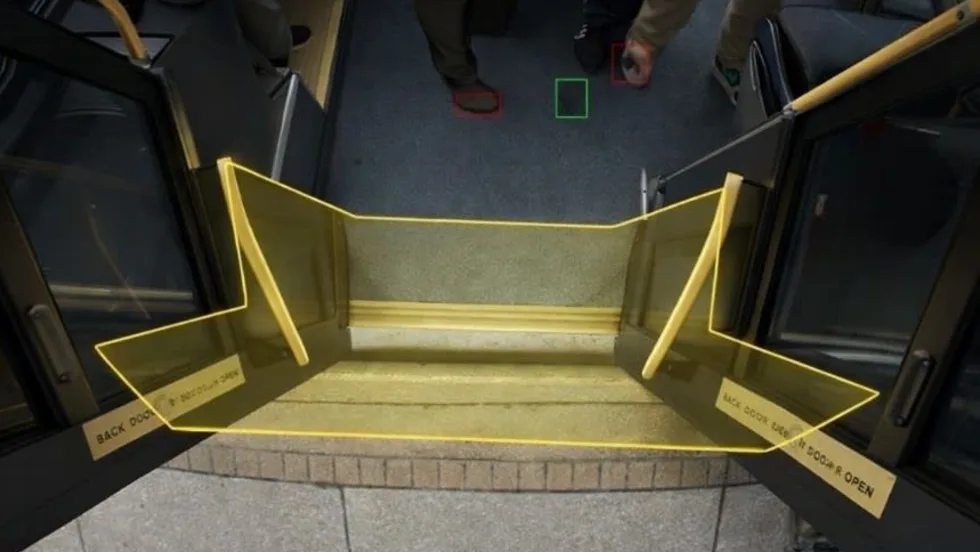
Sponsored•August 18, 2026
How VaporVision Adds Value to Transit Door Systems
Wabtec engineers explain how the system improves doorway detection, strengthens diagnostics and gives transit agencies and OEMs greater operating flexibility.
Read More →
FRA Announces $5.3B in Rail Investments, Including $2B for Amtrak
Funding will support grade-crossing improvements, infrastructure upgrades, and new Amtrak equipment in 23 states.
Read More →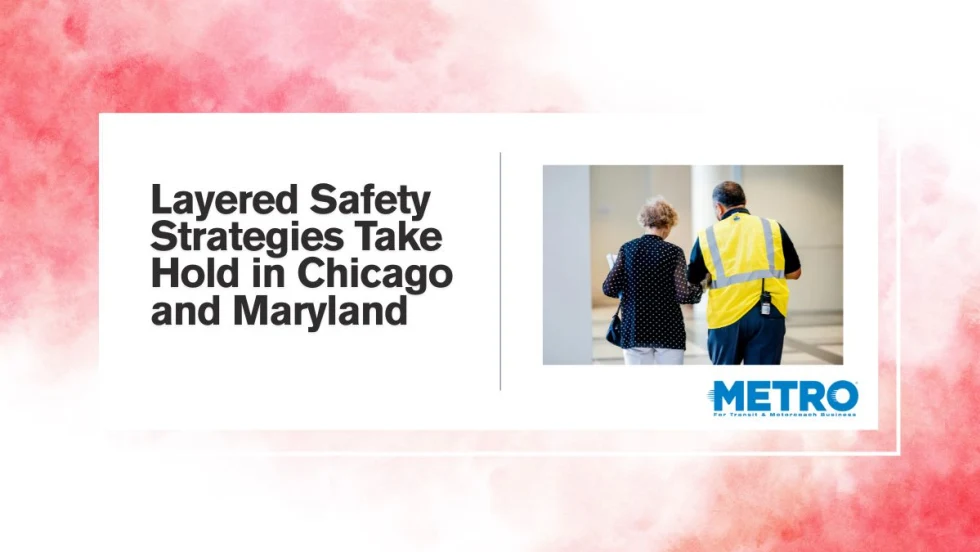
Chicago, Maryland Expand Non-Law-Enforcement Safety, Rider Support
The CTA and MTA are launching new programs aimed at de-escalation, crisis response, rider assistance, and greater transparency.
Read More →
LA Metro, City of West Hollywood, and Partners Advance Smarter Bus Lane Enforcement
The award-winning partnership combines AI-powered detection with human oversight to improve bus reliability, accessibility, and enforcement efficiency.
Read More →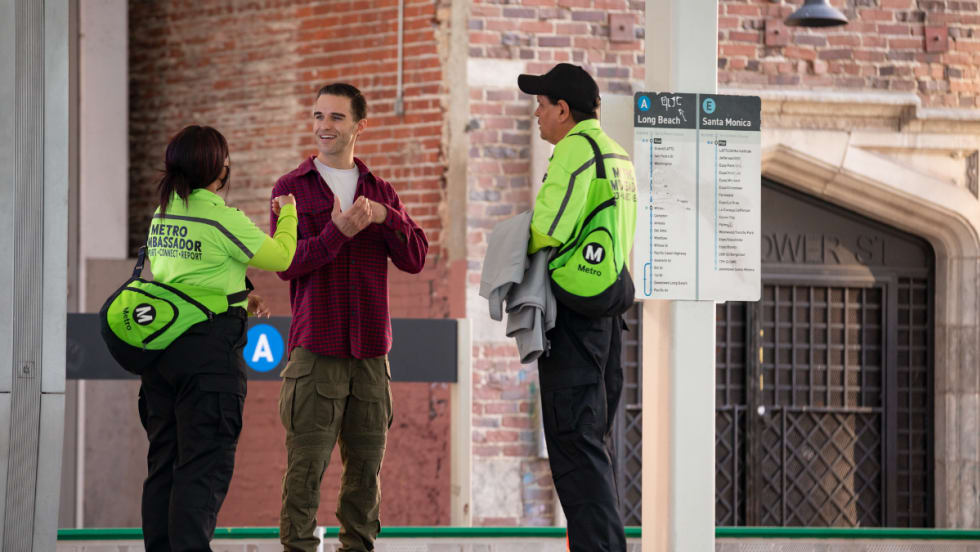
LA Metro Reports 57% Decline in Homelessness on Transit System Since 2024
The agency's latest homelessness count offers new data on how care-based services and cross-sector partnerships can complement traditional transit security strategies.
Read More →
FTA Launches 'Transit Moves America' Dashboard to Highlight Agency Safety and Performance
The online dashboard transforms National Transit Database information into a public-facing resource that allows users to compare transit agencies on key operational and safety metrics.
Read More →