



Transit, Partnerships Help Boost St. Louis Industrial Sector
With increased collaboration among the St. Louis Regional Freightway, Metro Transit, and Madison County Transit the region sees more ridership and economic development, even in the midst of the pandemic.
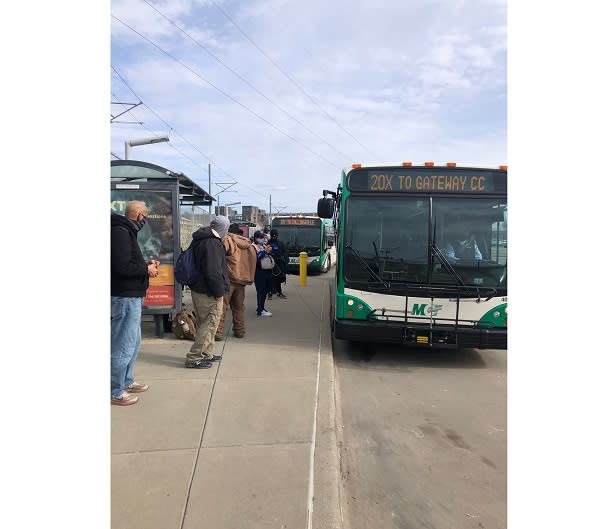
Madison County Transit’s (MCT) 20X Gateway Commerce Express serves passengers connecting to MCT from the Emerson Park MetroLink Station. The 20X has seen significant growth over the last 18 months and even during the pandemic.
MCT
Record-setting growth in the St. Louis region’s industrial sector in recent years resulted in strong demand for labor and the need for enhanced transportation options. Collaboration between the tenants in some of the region's largest industrial parks, the St. Louis Regional Freightway, St. Louis Metro Transit, Madison County Transit, and municipalities such as Madison County, Ill., and Hazelwood, Mo., has resulted in those needs being met, even during the COVID-19 pandemic.
For more than a decade, Madison County Transit (MCT) has been expanding its service in the warehouse district along Illinois Route 111, especially to the Gateway Commerce Center, where the workforce is a key contributor to the 9,500 warehouse employees in Edwardsville. In response to the growing demand, MCT introduced the 20X Gateway Commerce Express in May 2019, serving passengers connecting to MCT from the Emerson Park MetroLink Station to access the Gateway Commerce Center. The 20X has seen significant growth over the last 18 months and that growth continued even in the midst of the pandemic. To accommodate the continued rise in demand, several additional trips were added in the morning and afternoon, with the new trips producing an average ridership increase of 81% between May and October 2020.
The growth on the 20X route has been fueled by providing a direct, express route to the industrial corridor from the Emerson Park MetroLink Station, which is located in St. Clair County. MetroLink is the backbone of the region’s transit system, spanning 46 miles in eastern Missouri and southwestern Illinois and giving a larger pool of potential employees on both sides of the Mississippi River enhanced access to employment opportunities.
As demand for labor grew among major employers such as Amazon, World Wide Technology, Crescent, Hersey and others, staying up to speed on their evolving workforce needs was critical to ensuring a transit service model that delivered.
In August 2020, MCT added two new express routes from the Alton and Collinsville areas directly serving the warehouses throughout Gateway Commerce Center. The new express service reduced travel times for riders from those communities, making it possible to complete the one way trip in 25 to 30 minutes in many cases. The new 24X express route from Alton and 25X express route from Collinsville have made modest ridership gains since their inception during the pandemic.
In all, between its express routes and shuttles to and through Gateway Commerce Center, each weekday MCT operates total of 117 trips to and from the industrial park. The transit district also serves Lakeview Commerce Center and the new Gateway Tradeport Park, which is home to one of the region’s newest Amazon facilities.
Amazon has been growing on both sides of the river, opening eight separate facilities in the St. Louis area since 2016. Two of the Amazon facilities are at Hazelwood Logistics Park, which benefits from dedicated bus service provided by Metro Transit. While overall Metro Transit experienced a 50% drop in ridership across the system in 2020 due to COVID-19, the service to the Hazelwood facility was maintained, helping to ensure that the essential workers at the myriad facilities there had access to public transit. Nearby at the Hazelwood Tradeport, continued development has prompted Metro to alter a bus route in March 2021 to travel closer to the site, which will provide better access for employees in the growing industrial area.
“As transit agencies, we are committed to keeping our communities moving in the safest and most efficient way possible,” Metro Transit Executive Director Jessica Mefford-Miller said. “We will continue to adapt and be flexible as workforce transportation needs evolve, because we understand just how essential public transportation is, not only to the growing industrial parks but also to our downtown core, area hosptials, universities, grocery stores, and so many other important destinations.”
“The openness to collaborate has strengthened the business climate and resulted in a workforce competitive edge as the growing companies in the region’s various industrial parks are able to more efficiently get their employees to and from their facilities,” said Mary Lamie, vice president of multimodal enterprises for Bi-State Development and head of the St. Louis Regional Freightway. “The number one criteria for site selection is workforce availability, and Metro Transit and MCT are stepping up to provide reliable access to workforce transportation to a larger labor force, helping support and attract new manufacturing and logistics industries to the region’s bi-state market and creating opportunities for expansion for existing companies.”
More Management
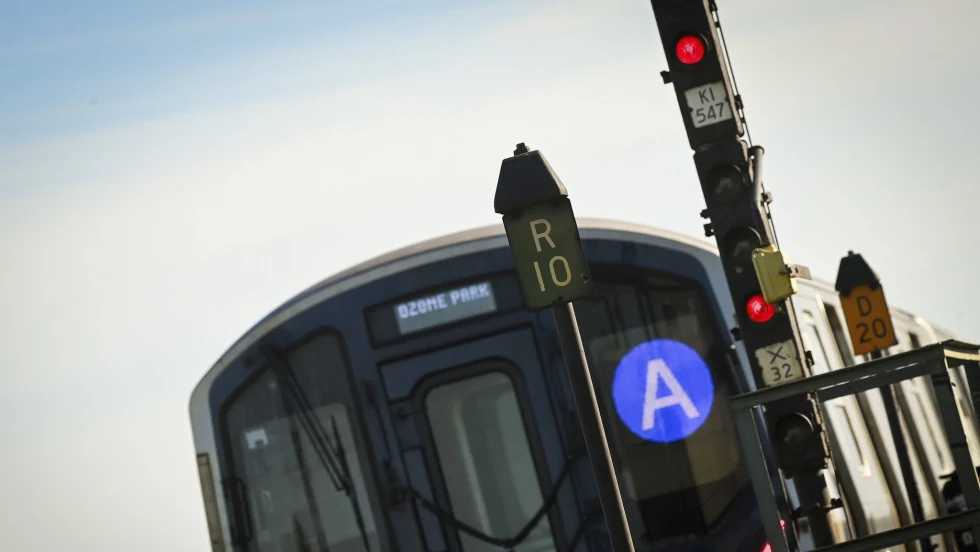
New York MTA Launches Historic $1.9B Signal, Track Modernization Project
Funded in part by congestion pricing revenue, the project will replace nearly century-old signals along the A and C lines in Brooklyn and Queens.
Read More →
Brian Dickson on Building Stronger, More Resilient Transportation Organizations
Bus Business Consultants Founder Brian Dickson discusses the leadership principles, operational discipline, and strategic planning that separate transportation companies positioned for long-term success from those stuck in survival mode.
Read More →
LA Metro Breaks Ground on Vermont BRT Project
The 12.4-mile corridor is projected to serve 66,200 daily riders, reduce travel times by up to 24%, and create the nation's busiest bus rapid transit corridor.
Read More →
Building Stronger Leaders, More Resilient Transit Teams
Dr. Carol Parker Walsh discusses leadership development, employee retention, workplace culture, and preparing transit’s workforce for AI and automation.
Read More →
Roman Cornell on ABC Companies’ Evolution and the Future of Passenger Transportation
The company’s CEO discusses carrying forward a third-generation family legacy, ABC’s continued evolution in passenger transportation, support for increasingly complex fleets, and how technology and continued investment could help operators improve uptime.
Read More →
CATS Launches West Charlotte Microtransit Zone, Expands Transit Services
The new microtransit zone connects residents to key destinations as Charlotte Area Transit System rolls out the first phase of its 2055 Transit System Plan.
Read More →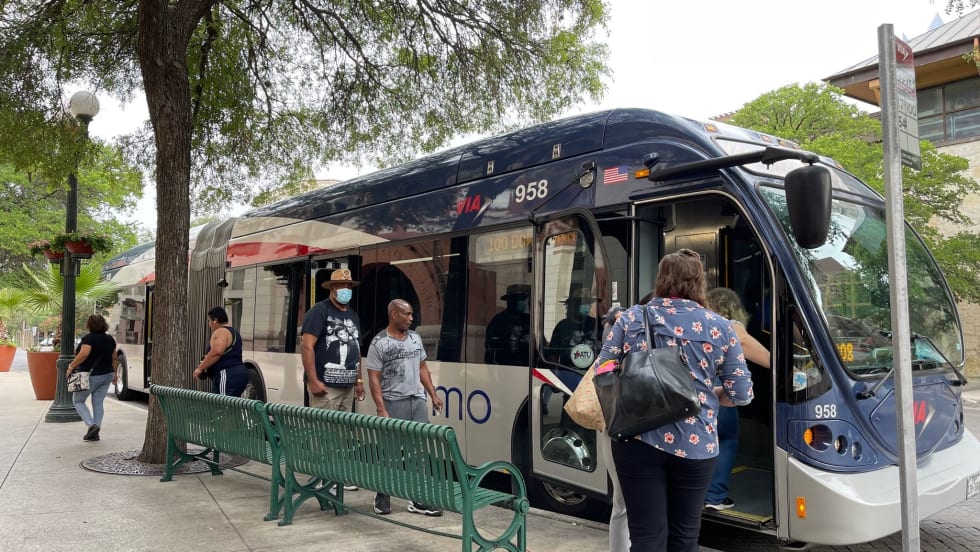
VIA Bus Ridership Grows 10.1% Through August 2026
San Antonio's VIA Metropolitan Transit reported the highest bus ridership growth among major Texas transit systems. Federal Transit Administration data ranked it second among the nation's 50 largest transit systems.
Read More →
CSA Group Releases Climate Resilience Standard for Transit, Passenger Rail
Developed with support from the Standards Council of Canada, CSA D700 guides assessing climate-related risks and planning adaptation measures for transit and passenger rail systems.
Read More →
ETA CEO John Maglio on Transit Technology, Innovation, and Building Agency Trust
ETA founder and CEO John Maglio explores the evolution of transit technology, the importance of reliable systems, and how stronger partnerships can help agencies improve operations and the passenger experience.
Read More →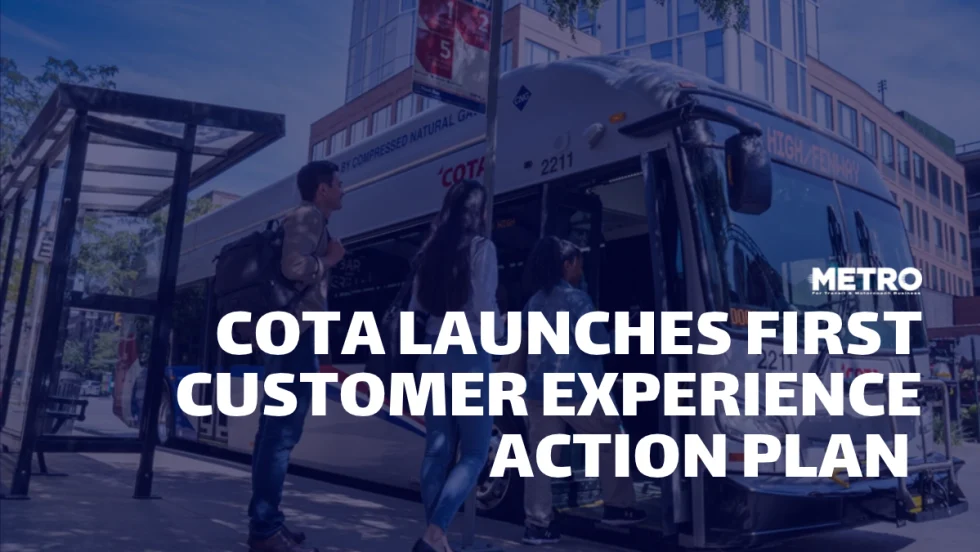
COTA Launches First Customer Experience Action Plan to Improve Transit Service
The new plan outlines improvements to service reliability, accessibility, communication, and the overall rider experience across Central Ohio's transit system.
Read More →