



Transport Canada mandates new tech to improve motorcoach safety
In addition to electronic stability control, separate proposed regulations will introduce mandatory electronic logging devices for federally regulated motor carriers (trucks and buses) and their commercial drivers.



New regulations require electronic stability control technology on new truck tractors and heavy buses sold in Canada. Electronic stability control systems are a crash avoidance technology that can reduce collisions by helping drivers maintain control, preventing rollovers, and improving directional stability. Electronic stability control technology is now required in new truck tractors, and school buses and intercity buses will require electronic stability control by June 2018.
Separate proposed regulations will introduce mandatory electronic logging devices for federally regulated motor carriers (trucks and buses) and their commercial drivers.
Electronic logging devices help a driver to remain compliant with the federal Commercial Vehicle Drivers Hours of Service Regulations, which reduces the potential for driver fatigue. Electronic logging devices also reduce the administrative burden related to paper log books.
“We’re constantly looking at how technology can improve road safety, and electronic stability control and electronic logging devices fit the bill, said The Honorable Marc Garneau, Minister of Transport. “These new measures not only make trucks and buses safer, but they also have a trickle-down effect of making the roads safer for all Canadians.”
Electronic logging devices that meet a new National Safety Code technical standard will become mandatory 2020. Devices now in use will be permitted until 2022.
Canada’s new regulations for both technologies are closely aligned with similar regulations in the U.S. to improve safety and to support economic growth, trade, and shipping.
More Motorcoach
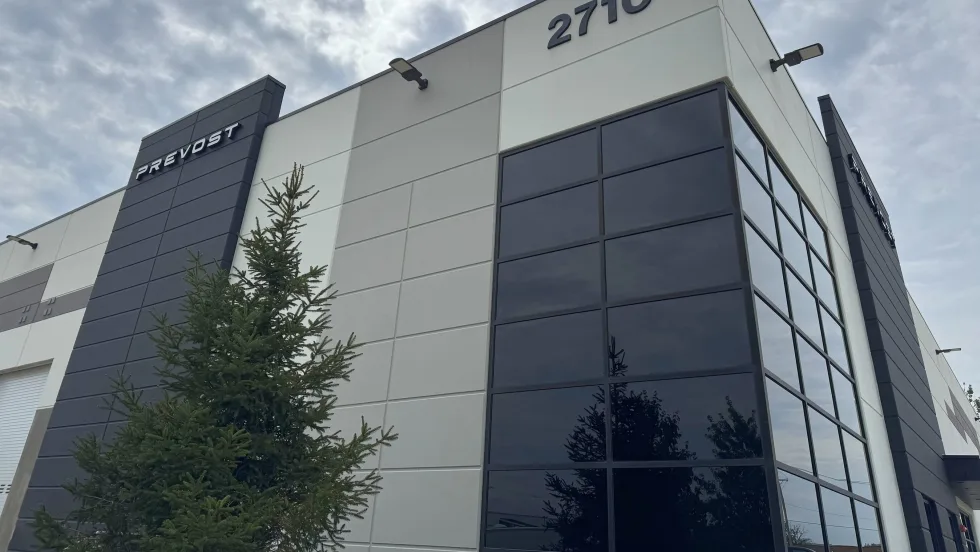
Prevost Opens Expanded Chicago-Area Service Center
The $8.1 million Elk Grove Village investment nearly triples facility space while adding service capacity, parts storage, and customer amenities.
Read More →
People Movement: Dan Dipert Coaches Adds Third-Generation Leader, Keolis Names New Valley Metro VP/GM, and More
In this edition, we also cover recent appointments and announcements at the Wabtec, SilverRide, HNTB, and more, showcasing the individuals helping to shape the future of transportation.
Read More →
METRO Opens Submissions for 2026 Motorcoach Awards
Nominations are now being accepted for METRO Magazine’s Operator of the Year and Innovative Operator of the Year awards.
Read More →
Biz Briefs: Alstom Lands Canadian Contract, LYT to Supply California TSP, and More
In METRO's latest installment, we take a look at recent news from Complete Coach Works, Beep, FlixBus, and more partnerships making headlines across the transportation sector.
Read More →
Biz Briefs: RIPTA Unveils New Frontrunners, Clevland RTA Adds New Siemens, and More
In METRO's latest installment, we take a look at recent news from Siemens, Prevost, Dodge, and more partnerships making headlines across the transportation sector.
Read More →
People Movement: Holly Arnold Joins Transdev and More
In this edition, we also cover recent appointments and announcements at Pace, CamTran, MCI, and more, showcasing the individuals helping to shape the future of transportation.
Read More →
ABA Report: Motorcoach Travel Generates $161.6B Economic Impact
The 2025 analysis finds motorcoach travel supported nearly 900,000 jobs and generated $28 billion in federal, state, and local taxes.
Read More →
CharterUP’s Armir Harris on Technology, AI, and the Future of Group Mobility
In a recent episode of METROspectives, CharterUP Founder/CEO Armir Harris discussed the company’s evolution from an online charter bus marketplace into a technology platform supporting public- and private-sector mobility and much more.
Read More →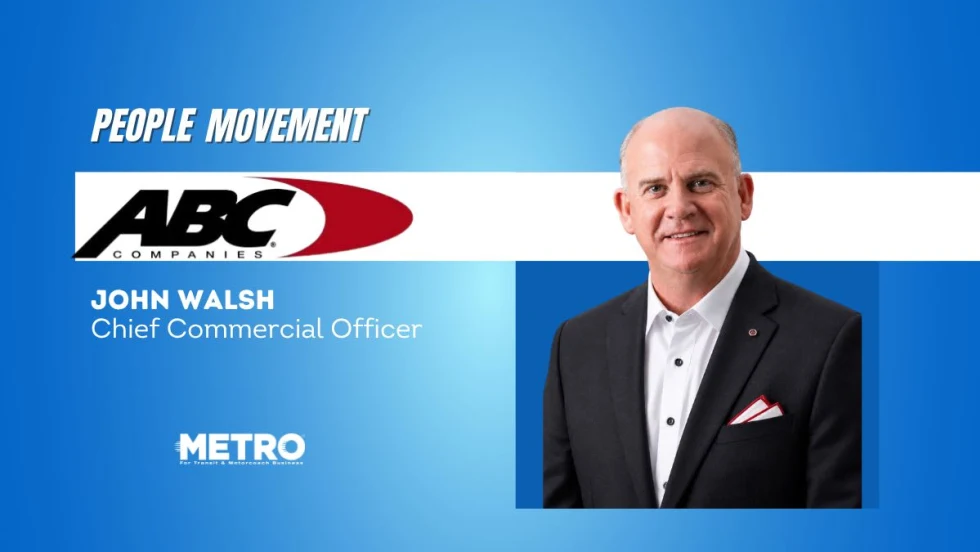
People Movement: ABC Names John Walsh as Chief Commercial Officer
In this edition, METRO also covers recent appointments and announcements at the DART, STV, and more, showcasing the individuals helping to shape the future of transportation.
Read More →
From Surviving to Thriving: Building Stronger Transportation Organizations
Bus Business Consultants founder Brian Dickson shares lessons on leadership, organizational health, and creating options for long-term success in a changing transportation industry.
Read More →