




RELATED: TfL taps Artificial Intelligence to 'chat' with customers
Transport for London testing tech to improve bus safety
A new “Vision Zero” approach aims for no one to be killed in or by a London bus by 2030, and for deaths and serious injuries from road collisions to be eliminated from London's streets by 2041.
August 17, 2017

All of the new bus technology will be tested and the results will inform bus safety standards. Photo: TfL
2 min to read

All of the new bus technology will be tested and the results will inform bus safety standards. Photo: TfL
Automatic braking and audible warning systems will be trialed, alongside measures including new mirrors to improve the driver's vision, as part of five technologies Transport for London (TfL) is testing on London buses.
Earlier this year, London Mayor Sadiq Khan set out a “Vision Zero” approach to road danger in his draft transport strategy. It aims for no one to be killed in or by a London bus by 2030, and for deaths and serious injuries from road collisions to be eliminated from London's streets by 2041.
All of the new technology will receive a completely independent trial at the Transport Research Laboratory. Their leading engineers and technical specialists have been appointed to work with TfL, bus manufacturers, and operators to trial a range of innovative safety measures including:
Autonomous Emergency Braking Systems that allow the vehicle to detect its surroundings and automatically apply the brakes.
Features to alert pedestrians and other road users of the presence of buses, such as lights or audible warnings.
A re-design of the front of buses, which could reduce the impact of a collision.
Changes to bus interiors to improve passenger safety, such as higher-grip flooring and softening sharp corners.
Vision improvements for drivers, including improved mirror design
The results of the trials will feed into a new Bus Safety Standard that will be incorporated into bus operator contracts from the end of 2018. TfL has also published a report on Intelligent Speed Assistance, following a successful trial in 2016. Bus operators are required to equip the technology, which limits the speed buses are able to travel, from later this year.
More Security and Safety

Transit Agencies Highlight Safety Gains at National Summit
Leaders from 15 major transit systems shared crime-reduction results and safety initiatives while discussing the role of continued federal support.
Read More →
DART Launches Major Security, Fare Enforcement Initiative
The 90-day demonstration will deploy coordinated security teams at five light rail stations while testing controlled access and gathering data to guide future investments.
Read More →
RTD Launches NextRide App to Consolidate Trip Planning, Fares, Security Reporting
The app expands on RTD’s existing NextRide web application and allows customers to view real-time vehicle locations and service alerts, purchase and store digital fares, and access customer support.
Read More →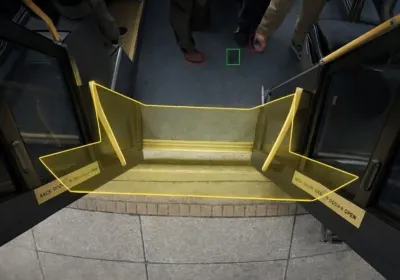
TAPTCO Updates OSHA Compliance Training for Transit Maintenance Operations
The revamped program addresses 26 OSHA standards for maintenance facilities, with TAPTCO pointing to training, documentation, and everyday shop hazards as continuing challenges for transit operations.
Read More →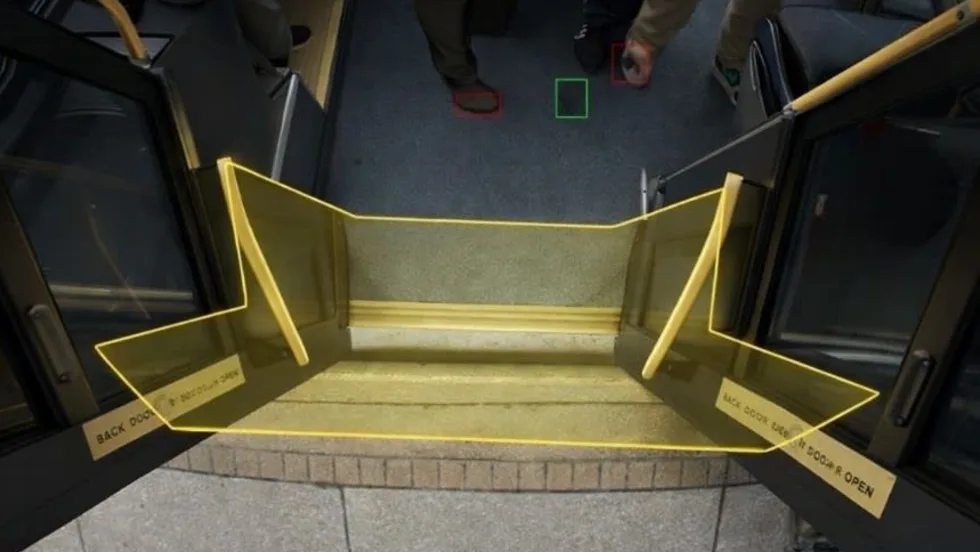
Sponsored•August 18, 2026
How VaporVision Adds Value to Transit Door Systems
Wabtec engineers explain how the system improves doorway detection, strengthens diagnostics and gives transit agencies and OEMs greater operating flexibility.
Read More →
FRA Announces $5.3B in Rail Investments, Including $2B for Amtrak
Funding will support grade-crossing improvements, infrastructure upgrades, and new Amtrak equipment in 23 states.
Read More →
Chicago, Maryland Expand Non-Law-Enforcement Safety, Rider Support
The CTA and MTA are launching new programs aimed at de-escalation, crisis response, rider assistance, and greater transparency.
Read More →
LA Metro, City of West Hollywood, and Partners Advance Smarter Bus Lane Enforcement
The award-winning partnership combines AI-powered detection with human oversight to improve bus reliability, accessibility, and enforcement efficiency.
Read More →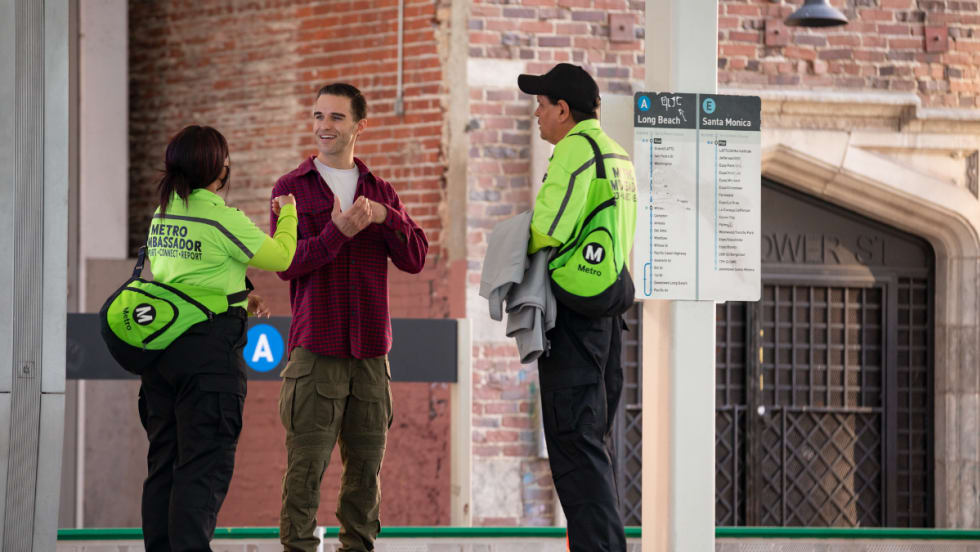
LA Metro Reports 57% Decline in Homelessness on Transit System Since 2024
The agency's latest homelessness count offers new data on how care-based services and cross-sector partnerships can complement traditional transit security strategies.
Read More →
FTA Launches 'Transit Moves America' Dashboard to Highlight Agency Safety and Performance
The online dashboard transforms National Transit Database information into a public-facing resource that allows users to compare transit agencies on key operational and safety metrics.
Read More →