




RELATED: President releases $1.5 trillion infrastructure plan
Transportation industry responds to President's infrastructure plan
ITS America announced the formation of its Smart Infrastructure Task Force to address how technology and innovation can be incentivized.
February 14, 2018
3 min to read
In the wake of the Trump Administration’s $1.5 trillion infrastructure plan, several in the transportation industry came out to voice their displeasure for the plan and to urge Congress to keep the door open for further discussion and input from all major stakeholders.
"On behalf of the American Public Transportation Association's (APTA) 1,500 members and the tens of millions of people who rely on public transportation daily, we support the Administration's commitment to strengthen America's infrastructure, but strongly oppose the deep cuts in federal funding for existing public transit infrastructure programs as a way to fund it,” said APTA President/CEO Paul P. Skoutelas in a statement.
"The $200 billion proposed by the Administration for infrastructure would be paid for by cutting funding for critical public transportation infrastructure programs, including the Capital Improvement Grants (CIG), Transportation Investment Generating Economic Recovery program (TIGER), and Amtrak, in the Fiscal Year 2019 budget. This would be a big mistake and counterproductive to fostering prosperous communities,” continued Skoutelas. "APTA will push for a bipartisan approach that continues and expands upon the historic federal support needed to address public transportation's priorities. These include addressing the $90 billion backlog of state of good repair work and a solution to make the Highway Trust Fund solvent and sustainable.”
"APTA looks forward to working with Congress and the White House on these issues because they all contribute to economic growth, jobs and getting people back to work – all benefits of an effective public transportation industry. APTA will play an important role in this legislation since for every $1 dollar invested in public transit projects, $4 are generated back to the economy,” concluded APTA’s statement. "Americans across the country deserve a public transit and highway network that is safe, reliable, and meets the demands of a 21st century economy. Congress and the Administration have an opportunity to put forth an infrastructure plan that our communities and economy desperately need."
Meanwhile, in conjunction with the release of President Trump’s Legislative Outline for Rebuilding Infrastructure in America, the Intelligent Transportation Society of America announced the formation of its Smart Infrastructure Task Force.
The task force was formed to address how technology and innovation can be incentivized. The task force — building upon extensive dialogue over the last several years with private sector innovators, as well as state, county and city leaders — will create a set of principles that embrace technological innovation, according to ITS America.
“Technology requires special attention. Road Infrastructure is static and long-lived, but transportation technology must adapt and change, and investment and partnership strategies must reflect that. We need unique solutions to address this in any new infrastructure effort. I’m excited to see our smart infrastructure task force taking on this challenge.” said Shailen Bhatt, president/CEO of ITS America.
Tina Quigley, GM of Las Vegas’ Regional Transportation Commission of Southern Nevada (RTC), will lead the ITS America Smart Infrastructure Task Force. Quigley is recognized as an innovator among her peers. Under her leadership RTC has blazed trails in deployment of new technology such as driverless shuttles, vehicle-to-infrastructure communications, and innovative smart cities concepts such as the development of Mobility as a Service (MaaS) solutions which combines options from different transportation providers, including transit, ride-sharing services, and even bike share — all into a single mobile service.
“We need an infrastructure strategy that rewards innovation,” said Quigley. “Technology is the new asphalt. Automated and connected vehicles along with smart communities are just the beginning. I’m excited to lead ITS America’s effort to rebuild and modernize our transportation infrastructure.”
More New Mobility

ENC Unveils ZAVIR Medium-Duty Electric Shuttle at APTA EXPO
The new ZAVIR brand targets shuttle and paratransit operations with battery-electric and range-extended electric vehicle options.
Read More →
Public Transit Conference Returning to GFX in 2027, Call for Papers Now Open
The Call for Papers is now open, allowing transit agency professionals and industry experts to help shape the PTC educational program by submitting session ideas for consideration.
Read More →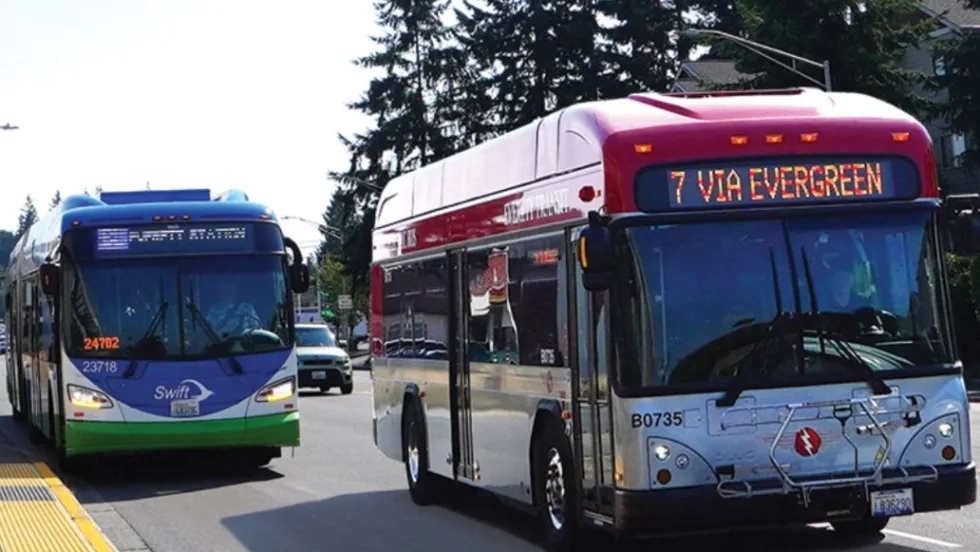
Everett Transit, Community Transit Outline Consolidation Agreement
The proposed agreement calls for a 50% increase in bus service in Everett, a new microtransit zone, continued paratransit service, and the transfer of Everett Transit operations to Community Transit.
Read More →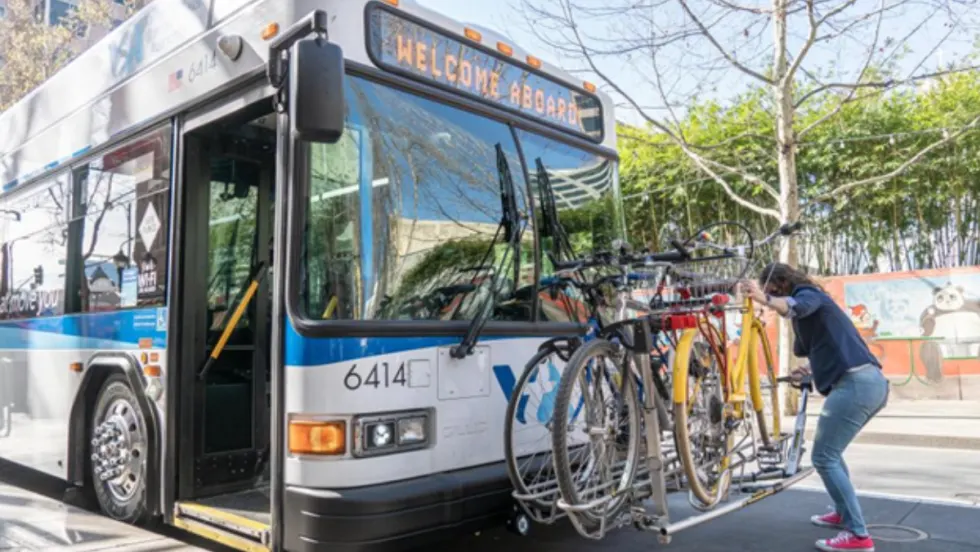
What Multimodal Data Can Tell Transit Agencies About Rider Demand
See how bike-on-bus data is giving transit agencies new insight into rider demand, capacity constraints, and gaps in first- and last-mile connections.
Read More →
From Hardware to Digital Partner: Luminator Charts Its Next Chapter
CEO Magnus Friberg discusses Luminator’s shift toward becoming a digital partner, the growing importance of software and interoperability, and how AI can help agencies improve operations and passenger experience.
Read More →
Biz Briefs: Alstom Lands Canadian Contract, LYT to Supply California TSP, and More
In METRO's latest installment, we take a look at recent news from Complete Coach Works, Beep, FlixBus, and more partnerships making headlines across the transportation sector.
Read More →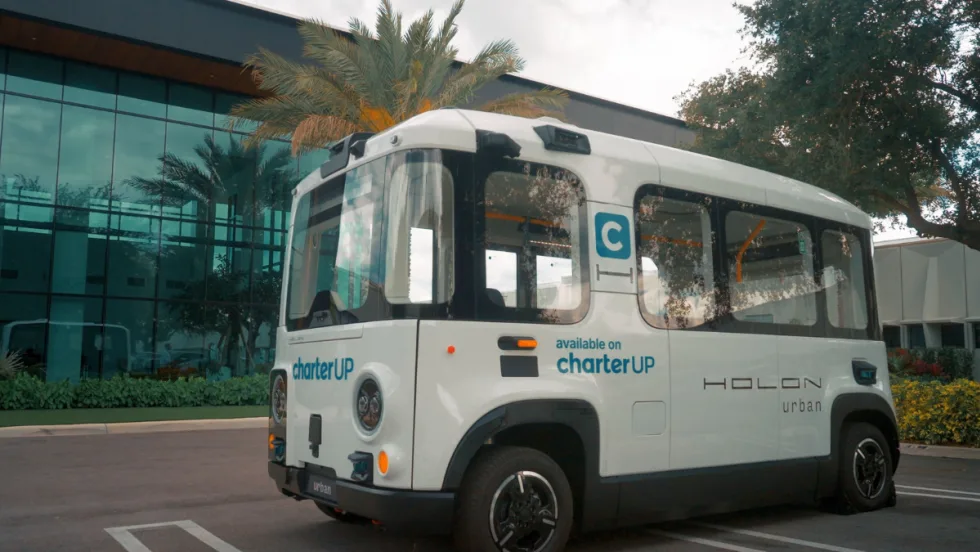
CharterUP’s Armir Harris on Technology, AI, and the Future of Group Mobility
In a recent episode of METROspectives, CharterUP Founder/CEO Armir Harris discussed the company’s evolution from an online charter bus marketplace into a technology platform supporting public- and private-sector mobility and much more.
Read More →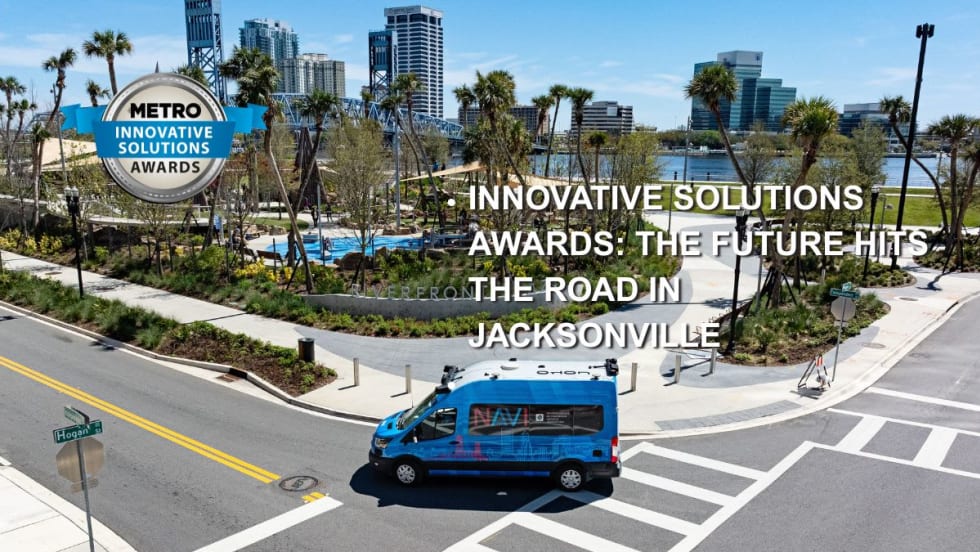
Jacksonville’s NAVI Project Charts a New Course for Autonomous Public Transportation
Through its NAVI program, JTA is showing how autonomous vehicles, intelligent infrastructure, and coordinated operations can work together to deliver everyday public transportation.
Read More →
Biz Briefs: Luminator Marks Milestone and More
From manufacturers and suppliers to transit agencies and motorcoach operators, these updates offer a snapshot of the projects, partnerships and business moves driving the industry forward.
Read More →
New Tricks for Old Bureaucracies: Joshua Schank on Making Transit Innovation Stick
Former LA Metro Chief Innovation Officer Joshua Schank discusses why good ideas aren't enough, how transit agencies can overcome resistance to change, and why today's challenges demand more innovation.
Read More →