



Transportation Secretary Asks New York MTA to Improve Bus, Rail Safety
As noted in the letter, Duffy urged the MTA to act promptly to ensure compliance and avoid additional Federal Transit Administration enforcement actions, such as the redirecting or withholding of federal funding.

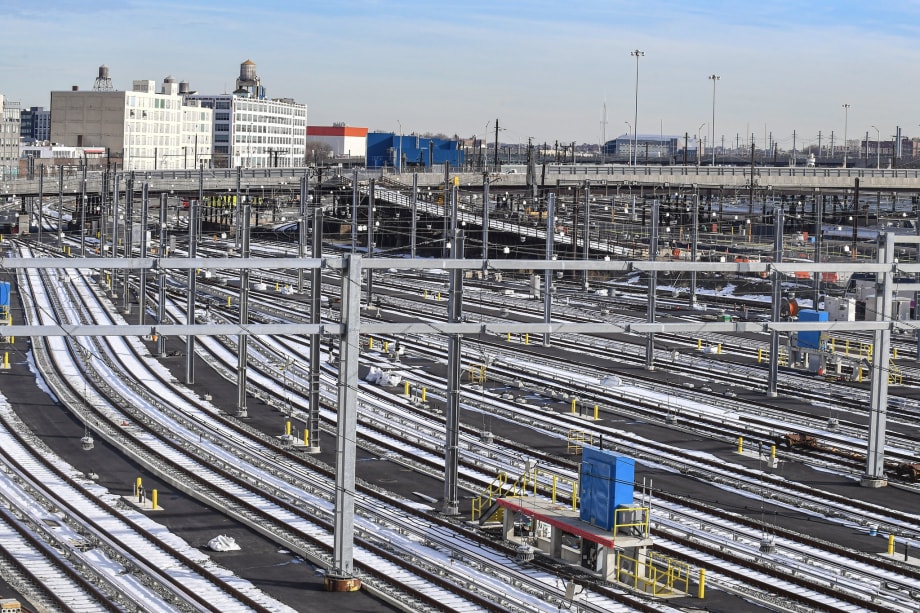
The latest letter is in line with the USDOT's focus on bolstering transportation security, including within the nation’s capital.
Photo: Marc A. Hermann
U.S. Transportation Secretary Sean P. Duffy pushed the New York MTA — the nation’s largest transit agency — to clean up its subways and buses so passengers and workers can enjoy a safer, crime-free commute.
As noted in the letter, Duffy urged the MTA to act promptly to ensure compliance and avoid additional Federal Transit Administration (FTA) enforcement actions, such as the redirecting or withholding of federal funding.
Bolstering Transportation Security
The latest letter is in line with the U.S. Department of Transportation (USDOT) and the Administration’s broader focus on bolstering transportation security, including within the nation’s capital.
In a March 18 letter, Secretary Duffy directed Janno Lieber, MTA’s chair and CEO, to outline what actions the New York City Transit (NYCT) is taking to restore safety and regain the traveling public’s trust. This includes steps to improve security for passengers and workers on NYCT subways and buses, reducing crime, and crack down on fare evasion.
Specifically, the letter requires the MTA to provide detailed information about plans to:
Reduce crime, including assaults on customers.
Address violence against transit workers.
Reduce injuries and fatalities from suicide events and “subway surfing,” the dangerous practice of riding atop subway cars in service.
Deter fare evasion.
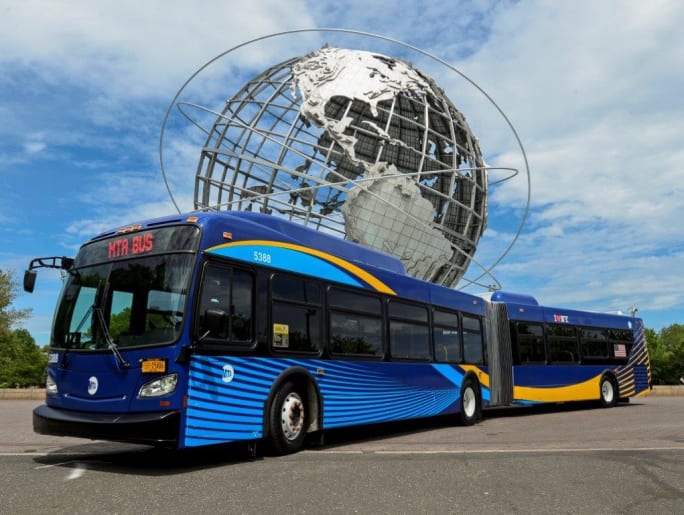
Last year, FTA issued a general directive requiring more than 700 transit agencies, including MTA, to address assaults on transit workers by conducting risk assessments and identifying strategies to address those risks.
Photo: Marc A. Hermann
Continuing the FTA’s Call for Transit Safety
Last year, FTA issued a general directive requiring more than 700 transit agencies, including MTA, to address assaults on transit workers by conducting risk assessments and identifying strategies to address those risks. That industry-wide directive was preceded by a special directive to nine transit agencies that had reported the most assaults perpetrated on workers to provide information to FTA.
Among the nine was MTA, which FTA required to submit documentation explaining how the transit agency had assessed the risk of assaults against workers. MTA responded with the required documents.
Also last year, FTA issued special directives to MTA and the New York Public Transportation Safety Board, calling on those agencies to take corrective actions to better protect transit workers who maintain and inspect the tracks.
The latest USDOT letter requires information about the status of actions in response to FTA’s directives, including the status of transit worker de-escalation training, installing video surveillance, and launching police patrols.
It also requires MTA to document all sources of funding used in safety programs and initiatives. Federal law allows transit recipients to use both formula funds and capital grants for projects to combat crime and improve safety and security.
More Security and Safety

Transit Agencies Highlight Safety Gains at National Summit
Leaders from 15 major transit systems shared crime-reduction results and safety initiatives while discussing the role of continued federal support.
Read More →
DART Launches Major Security, Fare Enforcement Initiative
The 90-day demonstration will deploy coordinated security teams at five light rail stations while testing controlled access and gathering data to guide future investments.
Read More →
RTD Launches NextRide App to Consolidate Trip Planning, Fares, Security Reporting
The app expands on RTD’s existing NextRide web application and allows customers to view real-time vehicle locations and service alerts, purchase and store digital fares, and access customer support.
Read More →
TAPTCO Updates OSHA Compliance Training for Transit Maintenance Operations
The revamped program addresses 26 OSHA standards for maintenance facilities, with TAPTCO pointing to training, documentation, and everyday shop hazards as continuing challenges for transit operations.
Read More →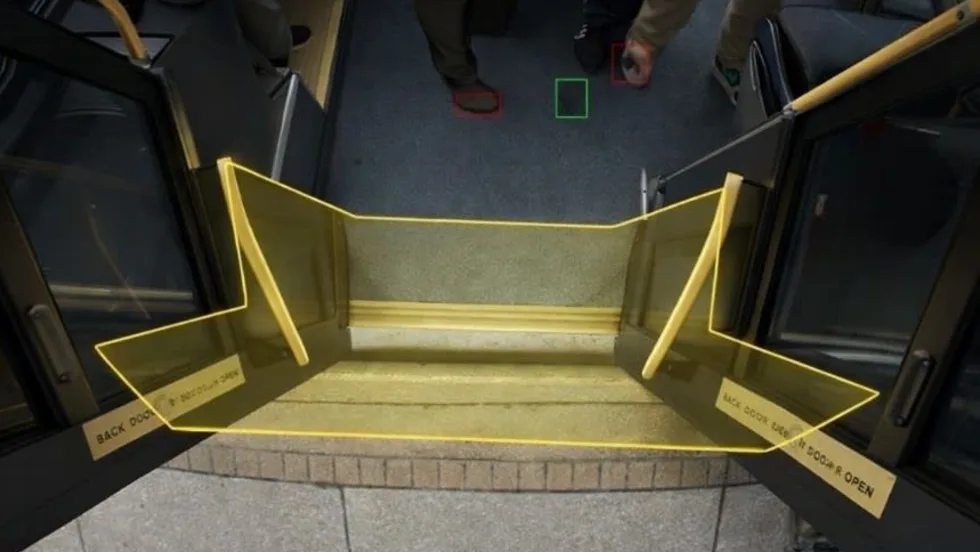
How VaporVision Adds Value to Transit Door Systems
Wabtec engineers explain how the system improves doorway detection, strengthens diagnostics and gives transit agencies and OEMs greater operating flexibility.
Read More →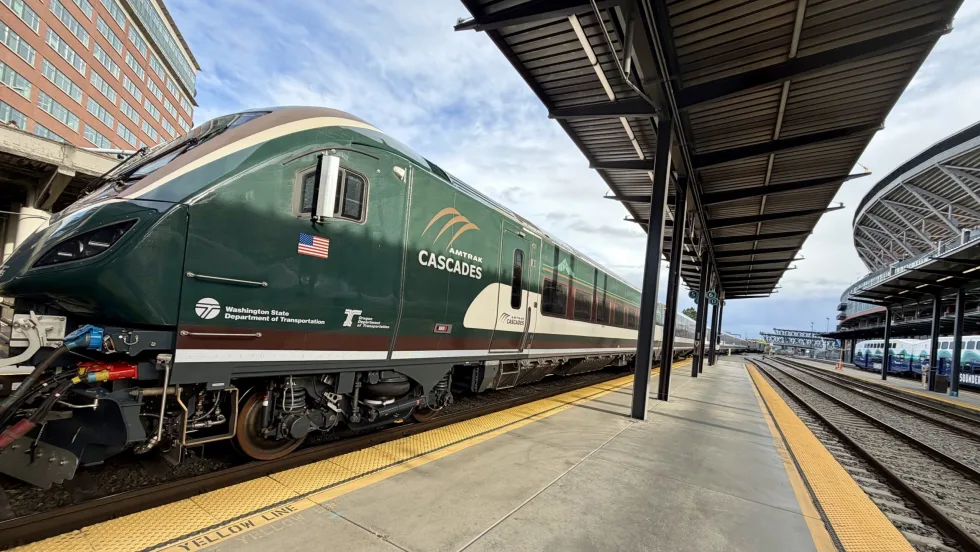
FRA Announces $5.3B in Rail Investments, Including $2B for Amtrak
Funding will support grade-crossing improvements, infrastructure upgrades, and new Amtrak equipment in 23 states.
Read More →
Chicago, Maryland Expand Non-Law-Enforcement Safety, Rider Support
The CTA and MTA are launching new programs aimed at de-escalation, crisis response, rider assistance, and greater transparency.
Read More →
LA Metro, City of West Hollywood, and Partners Advance Smarter Bus Lane Enforcement
The award-winning partnership combines AI-powered detection with human oversight to improve bus reliability, accessibility, and enforcement efficiency.
Read More →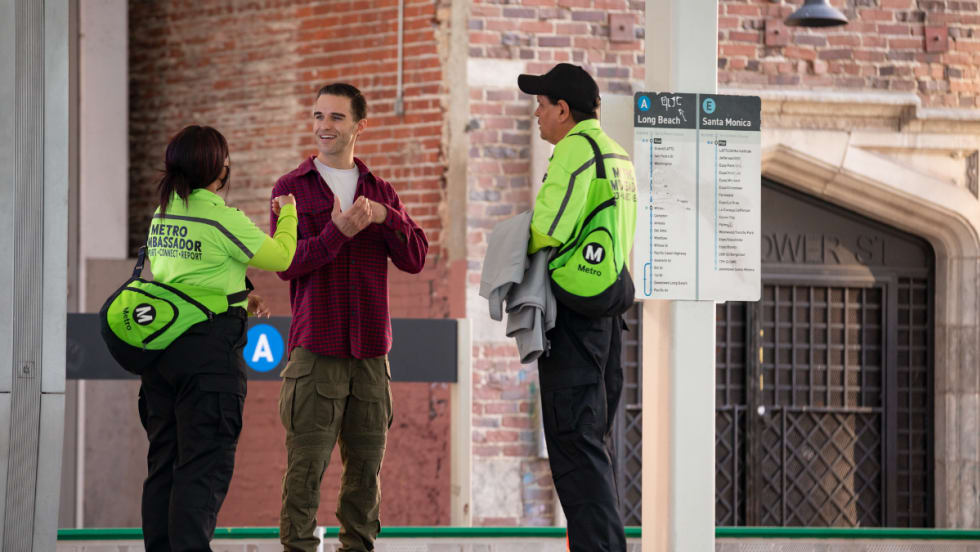
LA Metro Reports 57% Decline in Homelessness on Transit System Since 2024
The agency's latest homelessness count offers new data on how care-based services and cross-sector partnerships can complement traditional transit security strategies.
Read More →
FTA Launches 'Transit Moves America' Dashboard to Highlight Agency Safety and Performance
The online dashboard transforms National Transit Database information into a public-facing resource that allows users to compare transit agencies on key operational and safety metrics.
Read More →