



TriMet Taps STV to Enhance Security, Transit Mobility in Portland
In partnership with TriMet, STV is creating a concept of operations, a dynamic framework for how the security center functions within TriMet’s entire system.

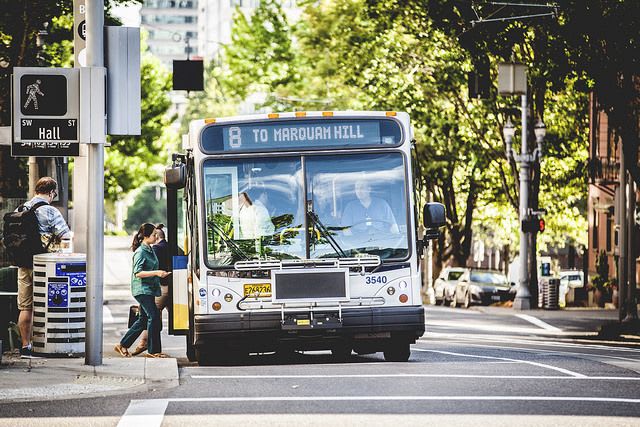
TriMet recently announced an increase in its approval ratings, attributing it to the agency’s enhanced safety, security and cleanliness measures on board and at stations.
Photo: TriMet
Portland, Ore.’s TriMet selected STV to enhance safety and security throughout its transit network by developing an operations plan for its new Security Operations Center (SOC); and separately, STV will help expand TriMet’s cloud-based Transit Signal Priority (TSP) system — a tool that prioritizes buses and light rail vehicles at traffic signals to improve traffic flow and transit on-time performance.
Enhancing Security
In partnership with TriMet, STV is creating a concept of operations (CONOPS), a dynamic framework for how the security center functions within TriMet’s entire system.
As part of the CONOPS, STV is helping TriMet integrate the new incident management software with the agency’s overall operations.
“We’re thrilled to build on our decade-long partnership with TriMet as the agency expands both its security operations and a future system-wide, next generation TSP,” said Adrian Pearmine, western director of mobility technologies at STV. “Our local team’s deep understanding of TriMet’s transit system, coupled with our expertise with security and advanced transit technology, will help create more safe, efficient, and reliable transit options for riders.”
Over the past three years, TriMet has increasingly invested in safety and security initiatives, hiring more personnel, partnering with community groups, installing security cameras, and improving lighting at stations, transit centers and Park & Rides.
TriMet recently announced an increase in its approval ratings, attributing it to the agency’s enhanced safety, security and cleanliness measures on board and at stations.
Implementing an Intelligent Signal System
As a subconsultant to DKS Associates, STV is also supporting the transition from infrared transit signaling system used by TriMet in some locations to a centralized, cloud-based TSP, an Intelligent Transportation System (ITS) solution that leverages optimized signal timing and real-time communications for the agency’s buses and transit vehicles.
The system will be implemented over several years along major TriMet corridors and routes.
While TriMet is currently using its next generation TSP for their bus rapid transit line, the agency seeks to expand this technology to the agency’s light rail fleet.
The Federal Highway Administration recently awarded TriMet a $2.4 million Advanced Transportation Technology and Innovation program grant for its Cloud Connectivity for Light Rail Vehicles initiative. STV will support this expansion, aimed at addressing safety, economic vitality, and air quality challenges.
In addition to the two new contracts, STV is already providing a range of professional services for TriMet’s replacement of 12 traction power substations along its Metropolitan Area Express Blue Line.
More Security and Safety

Transit Agencies Highlight Safety Gains at National Summit
Leaders from 15 major transit systems shared crime-reduction results and safety initiatives while discussing the role of continued federal support.
Read More →
DART Launches Major Security, Fare Enforcement Initiative
The 90-day demonstration will deploy coordinated security teams at five light rail stations while testing controlled access and gathering data to guide future investments.
Read More →
RTD Launches NextRide App to Consolidate Trip Planning, Fares, Security Reporting
The app expands on RTD’s existing NextRide web application and allows customers to view real-time vehicle locations and service alerts, purchase and store digital fares, and access customer support.
Read More →
TAPTCO Updates OSHA Compliance Training for Transit Maintenance Operations
The revamped program addresses 26 OSHA standards for maintenance facilities, with TAPTCO pointing to training, documentation, and everyday shop hazards as continuing challenges for transit operations.
Read More →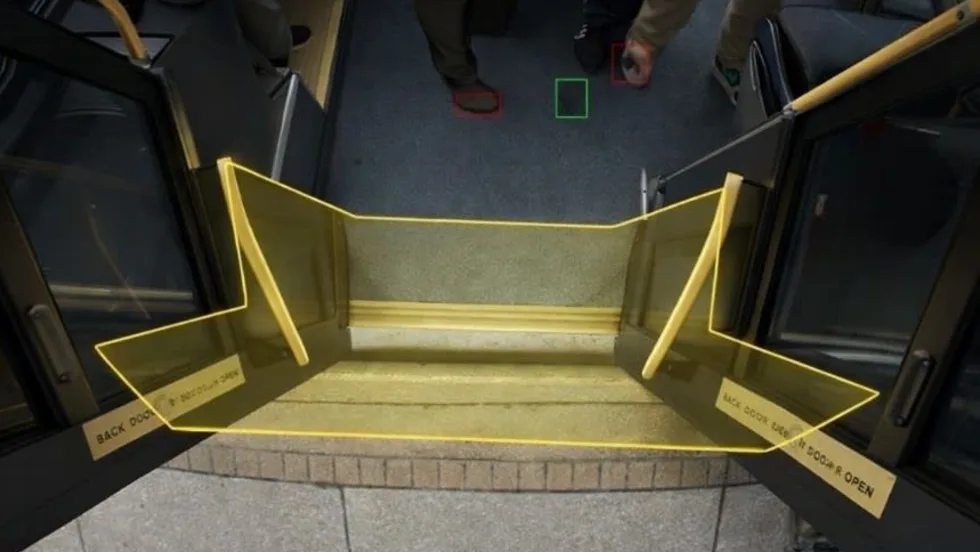
How VaporVision Adds Value to Transit Door Systems
Wabtec engineers explain how the system improves doorway detection, strengthens diagnostics and gives transit agencies and OEMs greater operating flexibility.
Read More →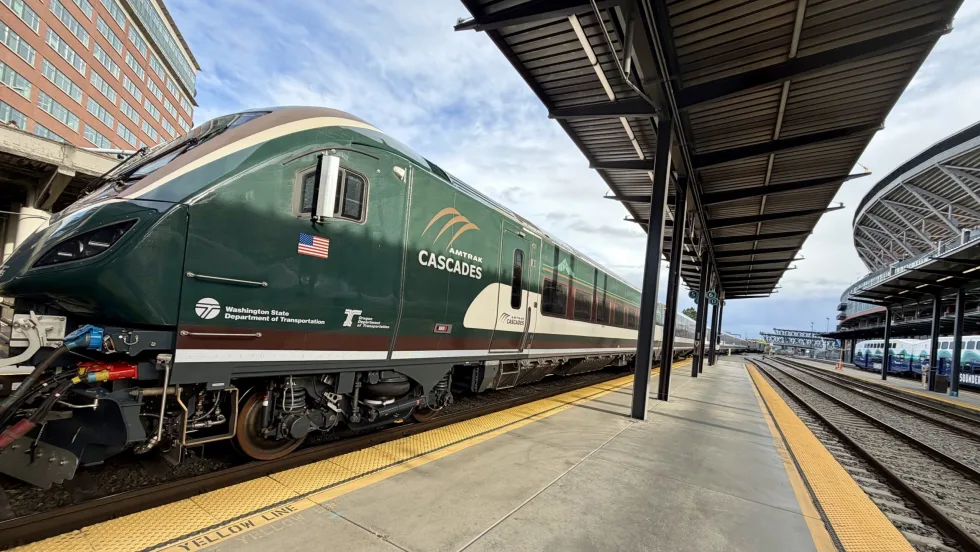
FRA Announces $5.3B in Rail Investments, Including $2B for Amtrak
Funding will support grade-crossing improvements, infrastructure upgrades, and new Amtrak equipment in 23 states.
Read More →
Chicago, Maryland Expand Non-Law-Enforcement Safety, Rider Support
The CTA and MTA are launching new programs aimed at de-escalation, crisis response, rider assistance, and greater transparency.
Read More →
LA Metro, City of West Hollywood, and Partners Advance Smarter Bus Lane Enforcement
The award-winning partnership combines AI-powered detection with human oversight to improve bus reliability, accessibility, and enforcement efficiency.
Read More →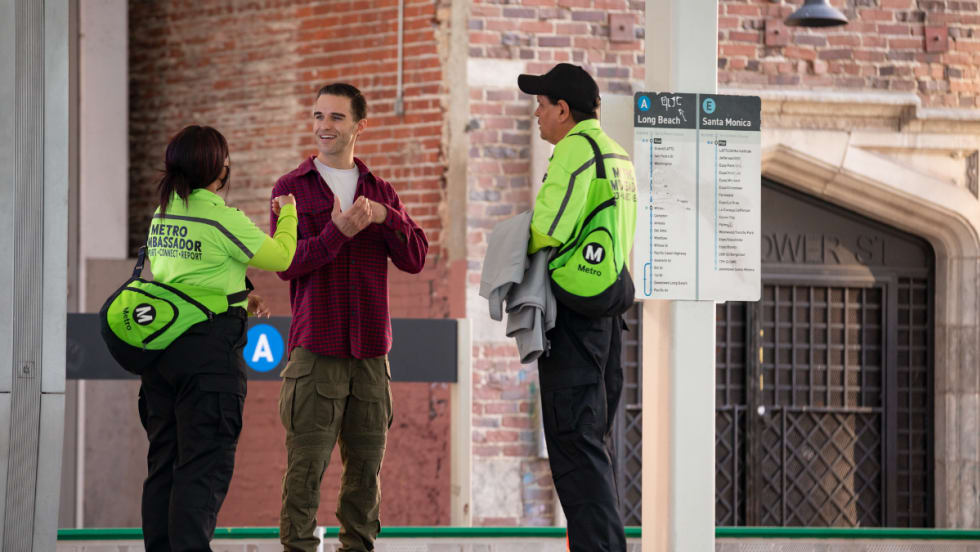
LA Metro Reports 57% Decline in Homelessness on Transit System Since 2024
The agency's latest homelessness count offers new data on how care-based services and cross-sector partnerships can complement traditional transit security strategies.
Read More →
FTA Launches 'Transit Moves America' Dashboard to Highlight Agency Safety and Performance
The online dashboard transforms National Transit Database information into a public-facing resource that allows users to compare transit agencies on key operational and safety metrics.
Read More →