



U. New Mexico begins fuel efficient stickers program
Seven parking spaces have been reserved for the exclusive use of M Lot permit holders whose vehicles meet specific fuel efficiency requirements established by the United States Environmental Protection Agency's Low Emission Fuel Efficient program.

In keeping with the University of New Mexico's (UNM) focus on sustainability, the UNM Parking and Transportation Services (PATS) Department is introducing an initiative encouraging the use of more fuel efficient vehicles on campus.
Seven parking spaces have been reserved for the exclusive use of M Lot permit holders whose vehicles meet specific fuel efficiency requirements established by the United States Environmental Protection Agency's (EPA) Low Emission Fuel Efficient (LEFE) program.
Vehicle suitability will be determined using EPA standards, based on factors such as fuel economy and emissions ratings and the environmental impact of manufacture and final disposal of a particular model.
"We are constantly looking at ways in which we can encourage environmental awareness in our daily activities. With this program we hope to draw attention to the proactive way that vehicle users can find out about the actual environmental impact of their particular model," said PATS Director, Clovis Acosta. "Equally important, the program fits in with the UNM policy of LEED (Leadership in Energy and Environmental design) green building construction, which is an environmentally-responsible, holistic approach to new constructions on campus".
Other than the usual M Lot permit fee, there will be no additional cost for successful applicants who will receive an LEFE sticker to be displayed in conjunction with the M Lot permit. The seven initial spaces are available on a first-come, first-served basis.
More Technology

Building a Flexible Path to Transit Electrification with BAE's John Hroncich
John Hroncich discusses BAE Systems’ modular and scalable approach, lessons learned from decades of real-world operations, and how agencies can identify electrification strategies that fit their fleets.
Read More →
Scenes from APTA TRANSform & EXPO 2026
Transit leaders, manufacturers, and industry professionals gathered in Chicago to explore new technologies, share ideas, and discuss the future of public transportation.
Read More →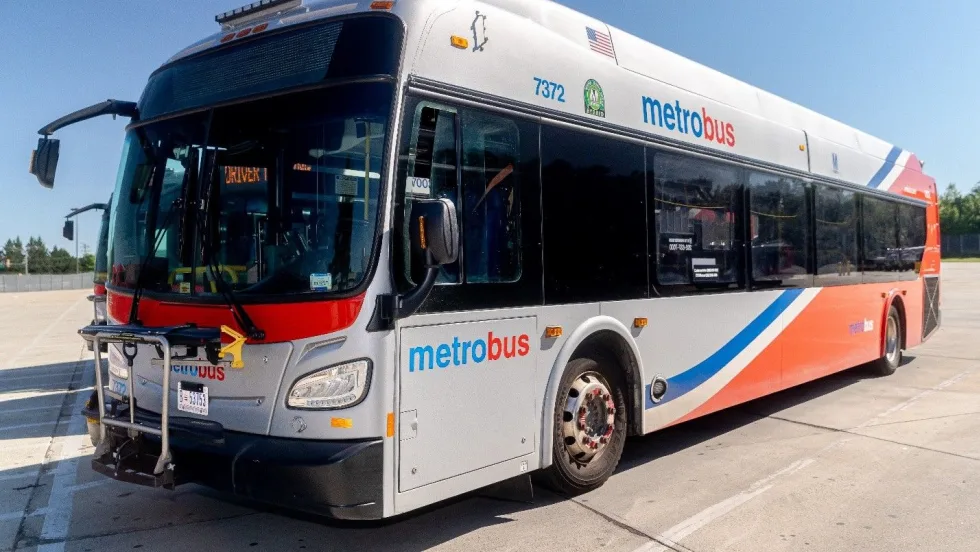
Biz Briefs: New Flyer Secures Additional 100-Bus Order from WMATA and More
In METRO's latest installment, we also take a look at recent news from Masabi, MCI, Samsara, and more partnerships making headlines across the transportation sector.
Read More →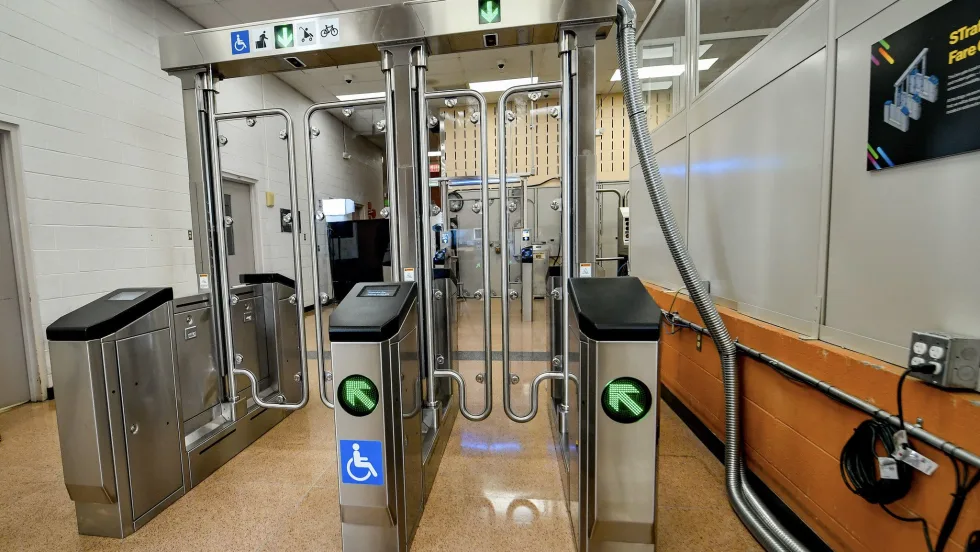
MTA Fare Gate Pilot Reduces Fare Evasion by 35%
Following a 20-station pilot, the agency plans to install new fare gates at 20 additional subway stations as part of a $1.1 billion modernization initiative.
Read More →
California Law Extends AC Transit’s Bus Lane Camera Enforcement
The new law allows AC Transit to continue using forward-facing bus cameras to enforce parking violations in bus-only lanes and at bus stops.
Read More →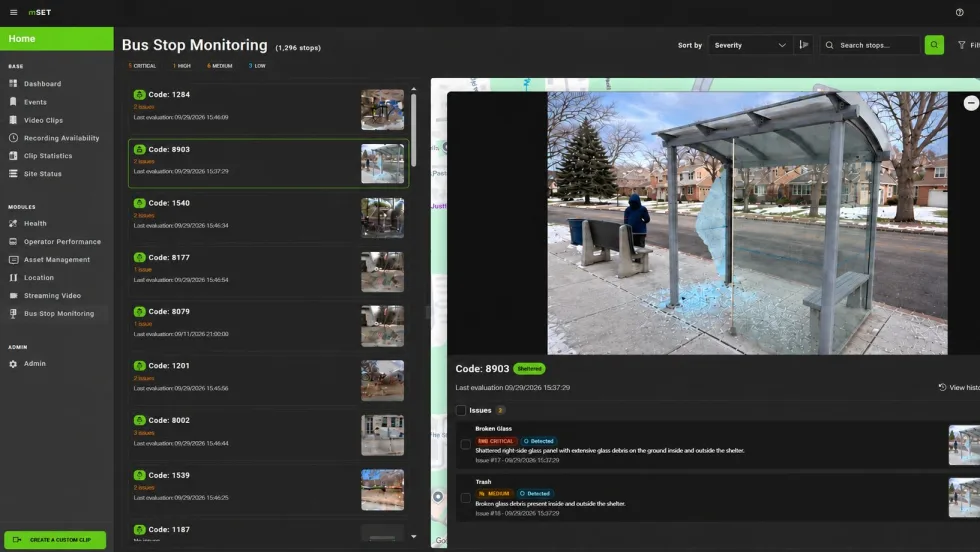
Biz Briefs: Luminator Launches AI Technology to Monitor Bus Stop Conditions and More
In METRO's latest installment, we also take a look at recent news from Masabi, Troman Industries, ioki, CCW, and more partnerships making headlines across the transportation sector.
Read More →
Public Transit Conference Returning to GFX in 2027, Call for Papers Now Open
The Call for Papers is now open, allowing transit agency professionals and industry experts to help shape the PTC educational program by submitting session ideas for consideration.
Read More →
ENC Lands MATA Contract and More in Biz Briefs
In this edition of Biz Briefs, we spotlight the latest developments shaping the future of mobility.
Read More →
Strada360’s Steve Lassey on Turning Transit Data Into Better Decisions
From breaking down data silos to preparing for AI, Strada360 CEO Steve Lassey discusses how transit agencies can use technology to improve operations, customer information, and long-term decision-making.
Read More →
Almaviva Looks to Open Architecture to Advance Transit Technology
Eric Reese discusses how interoperability, open architecture, and modular design can help transit agencies control costs, reduce vendor lock-in, and upgrade technology without starting over.
Read More →