



U.S. DOT, Mobileye to equip Smart City Challenge winner with crash avoidance tech
The announcement of this collaboration follows last month’s launch of U.S. DOT’s Smart City Challenge, a competition that will support the creation of a fully integrated, first-of-its-kind city that uses data, technology, and creativity to shape how people and goods move in the future.

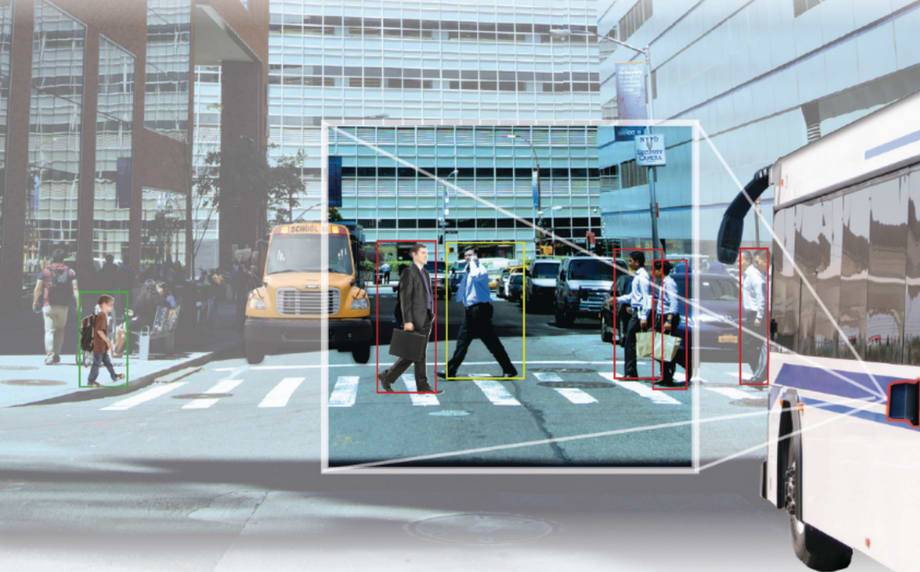
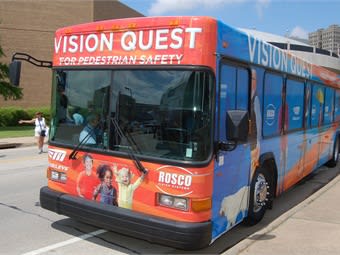
U.S. Transportation Secretary Anthony Foxx announced the latest partnership in the Smart City Challenge; the winning city's public bus system will receive the installation of Mobileye's Shield + technology on every bus. This is in addition to U.S. DOT's award of up to $40 million and an award of up to $10 million from the challenge’s launch partner, Vulcan Philanthropy.
Mobileye’s Shield + driver assistance safety technology is designed to enable bus drivers in the selected city to avoid and mitigate imminent collisions and protect road users including cyclists, pedestrians and motorcyclists. The winning city will need to work with Mobileye to secure this technology contribution. Once installed, the technology is designed to generate continuous, real-time data delivery, which will empower the winning city to make improvements to the safety and efficiency of its public bus system.
The announcement of this collaboration follows last month’s launch of U.S. DOT’s Smart City Challenge, a competition that will support the creation of a fully integrated, first-of-its-kind city that uses data, technology, and creativity to shape how people and goods move in the future. The Challenge is a collaborative partnership that aims to implement bold, data-driven ideas to make transportation safer, easier and more reliable.
“Our Department’s partnership with Mobileye significantly strengthens this vhallenge, devoting additional resources to the winning city so it can further develop its own unique vision of what a fully integrated, forward-looking transportation network looks like,” said U.S. Transportation Secretary Anthony Foxx. “The funding and technology contributed by our private sector partners will assist the selected city in using data-driven information to make their transportation systems safer and more efficient and prepare for the future of transportation.”
During this Smart City Challenge, applicants are invited to submit ideas — designed to address or enhance community needs — across a range of innovation and data-driven platforms. Critical system improvements that increase safety, reduce carbon emissions and enhance mobility are especially encouraged for review. Specifically, the innovations will connect people, vehicles, public transportation and infrastructure through ITS, the sharing economy and other technologies that improve the way Americans move, whether it be to drop off kids at school, pick up groceries, get to work or receive critical services.
The Smart City Challenge builds on the U.S. DOT’s Beyond Traffic draft report issued in February of 2015. Beyond Traffic reveals that our nation’s aging infrastructure is not equipped to deal with a dramatically growing population in new regions throughout the country and highlights the need for increased mobility options in developing megaregions. This public-private collaboration represents the U.S. DOT belief that creativity and innovation will be absolutely essential for meeting the significant transportation challenges of the future. Lessons learned from this competition will be used in other cities to improve networks nationwide and demonstrate a practical path to replacing carbon-based fuel consumption. U.S. DOT welcomes the participation of other entities who share the vision and goals in the Notice of Funding Opportunity found here.
The first round of applications is due Feb. 4, 2016. U.S. DOT will then announce five finalists in March 2016, who will then compete for up to $40 million to be awarded to one city in June 2016.
To learn more about the Smart City Challenge or to explore joining as a partner organization, click here.
More Security and Safety

Transit Agencies Highlight Safety Gains at National Summit
Leaders from 15 major transit systems shared crime-reduction results and safety initiatives while discussing the role of continued federal support.
Read More →
DART Launches Major Security, Fare Enforcement Initiative
The 90-day demonstration will deploy coordinated security teams at five light rail stations while testing controlled access and gathering data to guide future investments.
Read More →
RTD Launches NextRide App to Consolidate Trip Planning, Fares, Security Reporting
The app expands on RTD’s existing NextRide web application and allows customers to view real-time vehicle locations and service alerts, purchase and store digital fares, and access customer support.
Read More →
TAPTCO Updates OSHA Compliance Training for Transit Maintenance Operations
The revamped program addresses 26 OSHA standards for maintenance facilities, with TAPTCO pointing to training, documentation, and everyday shop hazards as continuing challenges for transit operations.
Read More →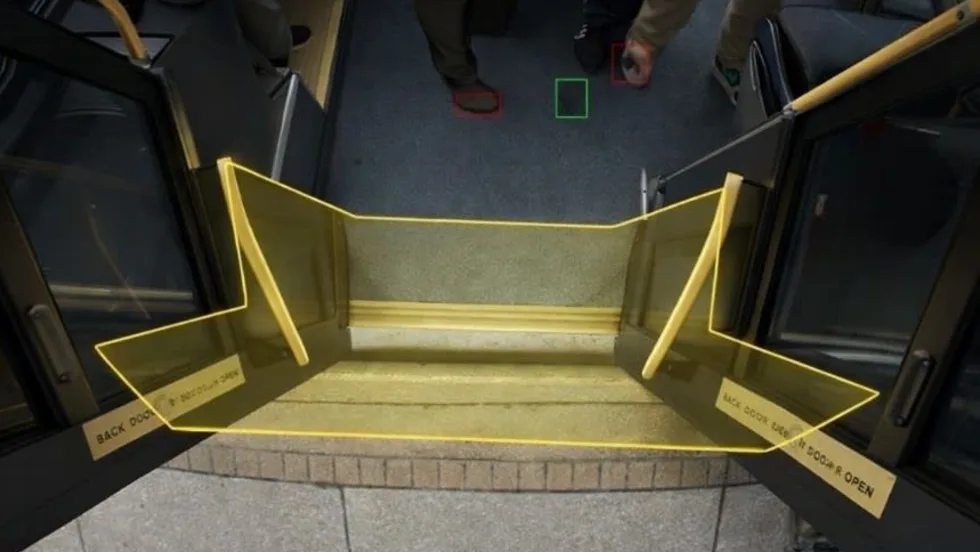
How VaporVision Adds Value to Transit Door Systems
Wabtec engineers explain how the system improves doorway detection, strengthens diagnostics and gives transit agencies and OEMs greater operating flexibility.
Read More →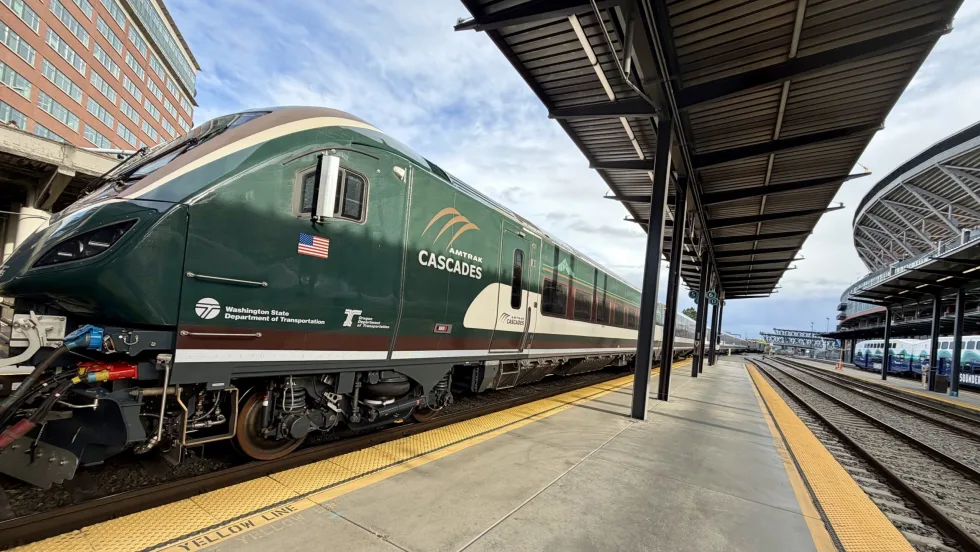
FRA Announces $5.3B in Rail Investments, Including $2B for Amtrak
Funding will support grade-crossing improvements, infrastructure upgrades, and new Amtrak equipment in 23 states.
Read More →
Chicago, Maryland Expand Non-Law-Enforcement Safety, Rider Support
The CTA and MTA are launching new programs aimed at de-escalation, crisis response, rider assistance, and greater transparency.
Read More →
LA Metro, City of West Hollywood, and Partners Advance Smarter Bus Lane Enforcement
The award-winning partnership combines AI-powered detection with human oversight to improve bus reliability, accessibility, and enforcement efficiency.
Read More →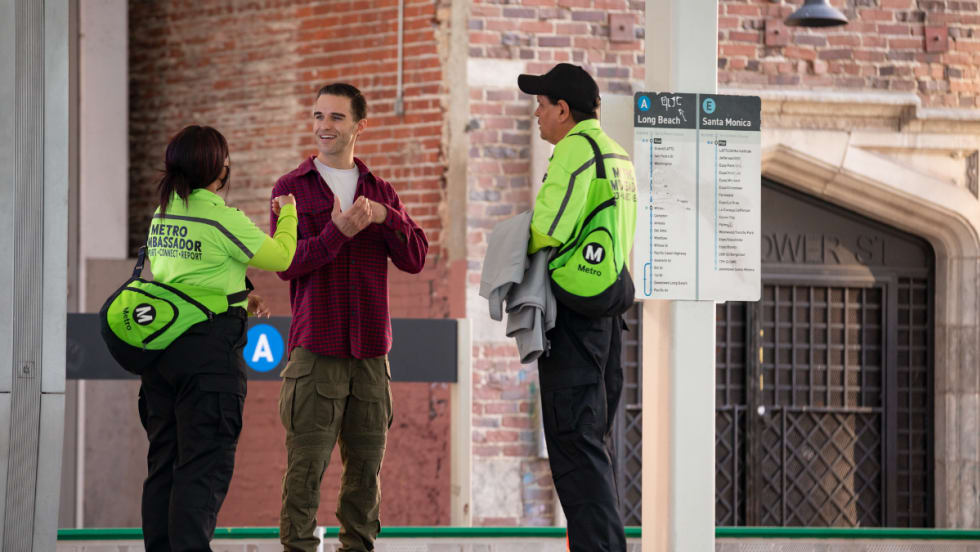
LA Metro Reports 57% Decline in Homelessness on Transit System Since 2024
The agency's latest homelessness count offers new data on how care-based services and cross-sector partnerships can complement traditional transit security strategies.
Read More →
FTA Launches 'Transit Moves America' Dashboard to Highlight Agency Safety and Performance
The online dashboard transforms National Transit Database information into a public-facing resource that allows users to compare transit agencies on key operational and safety metrics.
Read More →