



University bus service buoyed by cheaper fuel
The months-long decline in fuel prices has taken pressure off campus shuttle bus programs, providing a funding cushion and reducing the need to consider service cuts, according to several university transportation professionals.

The months-long decline in fuel prices has taken pressure off campus shuttle bus programs, providing a funding cushion and reducing the need to consider service cuts, according to several university transportation professionals.
Gary Smith, director of Transit and Parking at the University of Arkansas in Fayetteville, said the drop in fuel prices has allowed his department to stop raiding its reserve fund and return to its original budget for fuel. “Had the higher fuel prices continued, we would have had to make some difficult decisions to balance our budget,” he said.
The drop in fuel prices has given the campus bus program at Georgia Tech “much needed financial relief,” according to Lance Lunsway, director of Parking and Transportation at the Atlanta university.
“In the history of the contracted bus and trolley service, the surcharge for high price fuel had never been enacted until this past summer,” Lunsway said. It was estimated that the additional charge could rise as high as $70,000, spurring the transportation department to hold off on filling a vacant staff position and reducing costs in other areas. “The goal was to keep from cutting service,” he said.
As a precaution, Lunsway said the university will consider creating a contigency fund for next fiscal year. “To accomplish this, it will take the backing of student leaders, administration and the board of regents, who will need to authorize an additional $1 increase to next year’s student transportation fees,” he said.
Cheaper fuel has also relieved budget pressures at the University of South Florida in Tampa, said Transportation Manager Rick Fallin. But the campus bus program’s service levels are not tied to the fuel budget. “We do not specifically plan service around the cost of fuel,” Fallin said.
Michael Sokoff, director of Transportation and Parking Services at the University of Central Oklahoma in Edmond, said cheaper fuel has not impacted shuttle bus service, although it has reduced ridership. “We have seen fewer riders due to the ability of students to drive their vehicles more often,” he said.
Funding problems not related to fuel prices have handcuffed some university transit programs. Teresa Davis, director of transportation services at Penn State University in University Park, said she hasn’t considered expanding routes on campus, despite lower fuel costs. “We can’t, due to the current financial situation. We’re being asked to cut back in all areas due to cuts in state funding appropriations,” she said. “We’ve already informed our employees not to expect any salary increases this year.”
Meanwhile, universities that operate CNG shuttle buses have not seen drastic fluctuations in fuel prices. At Utah State University in Logan, 90 percent of the bus fleet runs on natural gas. “Because the price of CNG has remained faily even over the the past six months, we have not been affected much,” said Lisa Leishman, director of Parking and Transportation. “One positive change has been for the one diesel bus that we do operate. The cost to operate this vehicle has, of course, gone down. In this tight economy, every little bit helps.”
More Bus
Brian Dickson on Building Stronger, More Resilient Transportation Organizations
Bus Business Consultants Founder Brian Dickson discusses the leadership principles, operational discipline, and strategic planning that separate transportation companies positioned for long-term success from those stuck in survival mode.
Read More →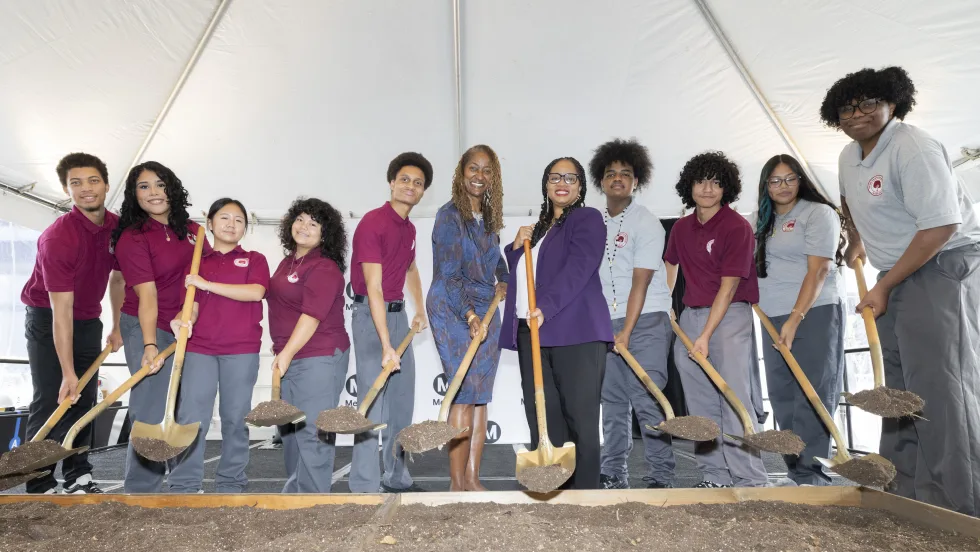
LA Metro Breaks Ground on Vermont BRT Project
The 12.4-mile corridor is projected to serve 66,200 daily riders, reduce travel times by up to 24%, and create the nation's busiest bus rapid transit corridor.
Read More →
Roman Cornell on ABC Companies’ Evolution and the Future of Passenger Transportation
The company’s CEO discusses carrying forward a third-generation family legacy, ABC’s continued evolution in passenger transportation, support for increasingly complex fleets, and how technology and continued investment could help operators improve uptime.
Read More →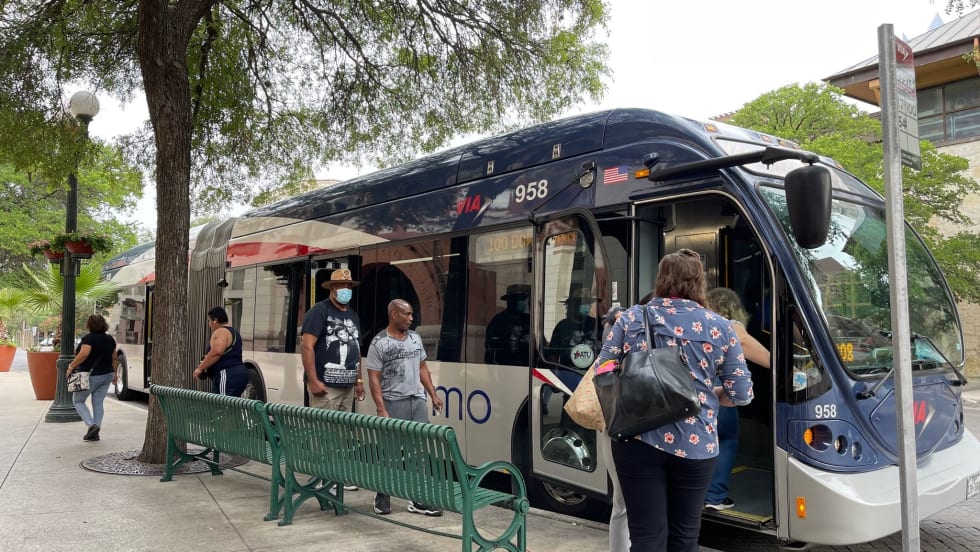
VIA Bus Ridership Grows 10.1% Through August 2026
San Antonio's VIA Metropolitan Transit reported the highest bus ridership growth among major Texas transit systems. Federal Transit Administration data ranked it second among the nation's 50 largest transit systems.
Read More →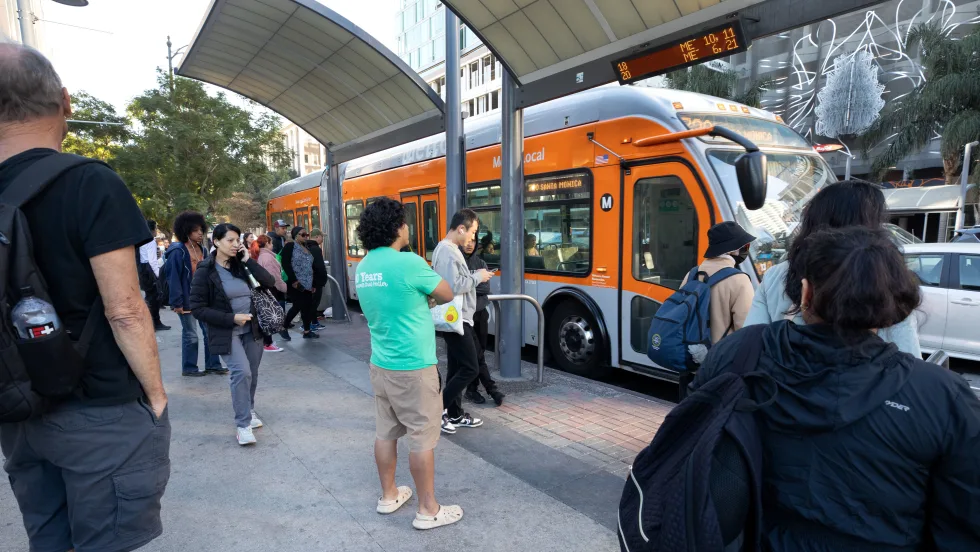
LA Metro September Ridership Climbs 3.9%, Led by Rail Growth
The agency recorded more than 27.2 million boardings, with rail ridership increasing 12.4% year over year and the D Line posting the largest gains.
Read More →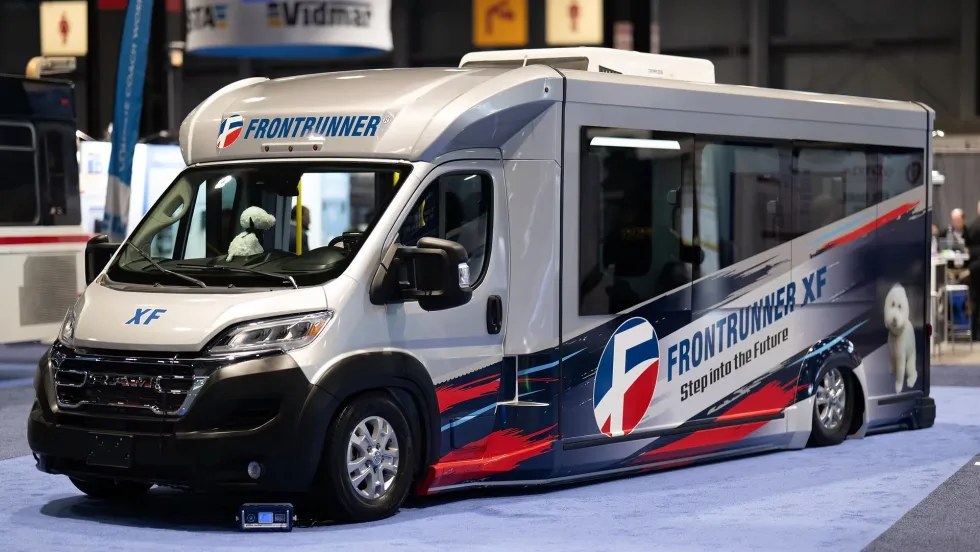
Frontrunner Bus Group Introduces XF Low-Floor Bus with Enhanced Accessibility
The new mid-sized bus features a full flat-floor design, eight-inch curbside step-in height, and zero-entry rear ramp to improve passenger access and operational flexibility.
Read More →
Scenes from APTA TRANSform & EXPO 2026
Transit leaders, manufacturers, and industry professionals gathered in Chicago to explore new technologies, share ideas, and discuss the future of public transportation.
Read More →
More Than a Summer Job: Building the Next Generation of Transit Talent
The Delaware River Port Authority and PATCO have transformed their internship program into a hands-on professional development experience that introduces students to the breadth of transportation careers — and creates a pipeline for future employees.
Read More →
LA Metro Board Awards 220 Battery-Electric Bus Contract to ENC
The contract, which is the largest base award of battery-electric buses by a U.S. transit agency, will be built in Southern California, sustaining good jobs as LA prepares to welcome the world in 2028
Read More →
Public Transit Conference Returning to GFX in 2027, Call for Papers Now Open
The Call for Papers is now open, allowing transit agency professionals and industry experts to help shape the PTC educational program by submitting session ideas for consideration.
Read More →