



Utah St. demos electric bus
The Aggie Bus rolled onto the streets carrying passengers just 16 months after USU demonstrated the first high-power, high-efficiency wireless power transfer system capable of transferring enough energy to quickly charge an electric vehicle.

Utah State University (USU) presented a first-of-its-kind electric bus that is charged through wireless charging technology in a demonstration last week.
The Aggie Bus rolled onto the streets carrying passengers just 16 months after USU demonstrated the first high-power, high-efficiency wireless power transfer system capable of transferring enough energy to quickly charge an electric vehicle. In July 2011, the USU Research Foundation demonstrated 90% electrical transfer efficiency of five kilowatts over an air gap of 10 inches. The demonstration validated that electric vehicles can efficiently be charged with wireless technology.
USU’s Wireless Power Transfer team, in cooperation with the Utah Science Technology and Research initiative’s Advanced Transportation Institute at USU, has designed a more efficient way to meet the nation’s transportation needs. The prototype transfers power over an air gap where no physical contact is required. Wireless power transfer technology delivers a multitude of benefits to consumers that include greater reliability due to no moving parts or cords, added convenience through the elimination of plug-in charging, the assurance of safety by removing the risk of electrocution and aesthetically pleasing devices as a result of no visible wiring.
USU’s Aggie Bus has achieved several significant milestones. It is the first bus developed and designed by a North American organization that is charged with wireless power transfer technology and is the world’s first electric bus with WPT technology combining the three following performance metrics: A power level up to 25 kilowatts, greater than 90% efficiency from the power grid to the battery and a maximum misalignment of up to six inches.
WAVE Inc., a Utah State University spin-out company, worked in cooperation with the USTAR Advanced Transportation Institute to develop the Aggie Bus. WAVE tackles the problem of heavy and expensive electric vehicle batteries through wireless power that transfers electricity between vehicles and the roadway. The Aggie Bus represents a market-ready product that will be used to retire significant technical risk as WAVE moves onto full-scale projects next year.
WAVE, in partnership with the Utah Transit Authority, will launch its first commercial demonstration in mid-2013 on the University of Utah’s campus. It will feature a 40-foot transit bus on a public transit route and an increase in wireless power transfer charging from 25 kilowatts to 50 kilowatts. The project has been funded by a $2.7 million TIGGER grant from the Federal Transit Administration and the University of Utah, which purchased the bus. WAVE intends to deliver a commercially ready product that operates with the same reliability as current public transit bus options, including diesel and compressed natural gas buses.
More Technology

Cummins Introduces Phased Model Year 2027 Launch Strategy
According to officials, the approach is designed to maintain regulatory compliance, support customer production schedules, and provide additional time to ramp production in a disciplined manner that helps ensure a successful transition for the industry.
Read More →
Biz Briefs: STV teams with Amtrak, Motorcoach Operators Boost Fleet and Land Contracts, and More
From manufacturers and suppliers to transit agencies and motorcoach operators, these updates offer a snapshot of the projects, partnerships and business moves driving the industry forward.
Read More →
DART Taps Nathaniel P. Ford Sr. as Next President/CEO
Since 2012, Ford has served as the CEO of the Jacksonville Transportation Authority
Read More →
AC Transit’s Cecil Blandon on Building the Next Generation of Transit Maintenance Leaders
The agency’s maintenance chief discusses leadership, workforce development, zero-emission technology, and preparing technicians for the future of public transportation.
Read More →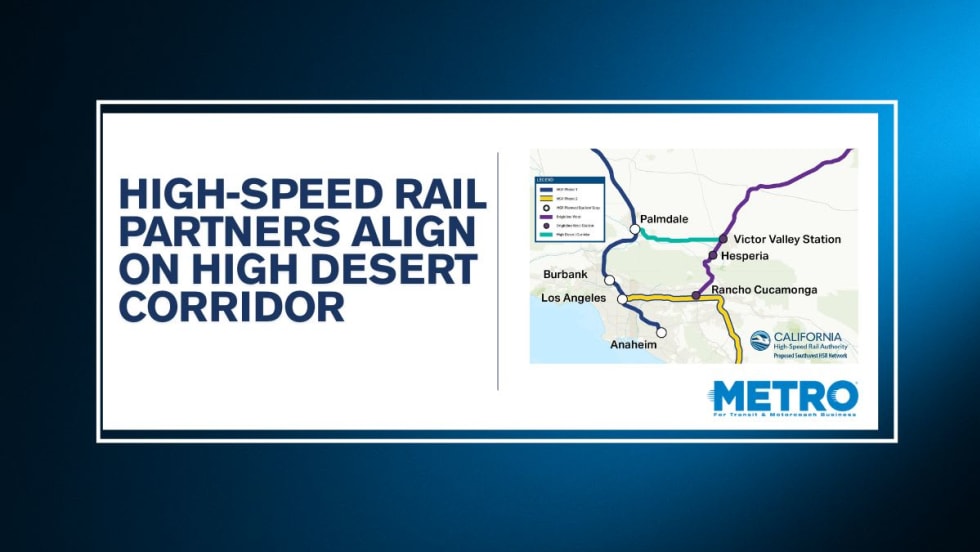
California High-Speed Rail Authority Signs MOU to Advance High Desert Corridor
The agreement deepens collaboration between the California High-Speed Rail Authority and the High Desert Corridor Joint Powers Agency, supporting design integration, cost savings, and faster delivery of a key Southern California rail link.
Read More →
Building the Next Generation of Transit Technology
In this edition of METROspectives, Luminator CEO Magnus Friberg discusses the company's transformation, the growing role of AI and software, and what's next for transit technology.
Read More →
How Data, Strategy, and Community Engagement Are Reshaping Transit
In this edition of METROspectives, strada360 CEO Steve Lassey discusses how transit agencies can better align planning with operations, leverage data to improve decision-making, and build public trust as they prepare for the future of mobility.
Read More →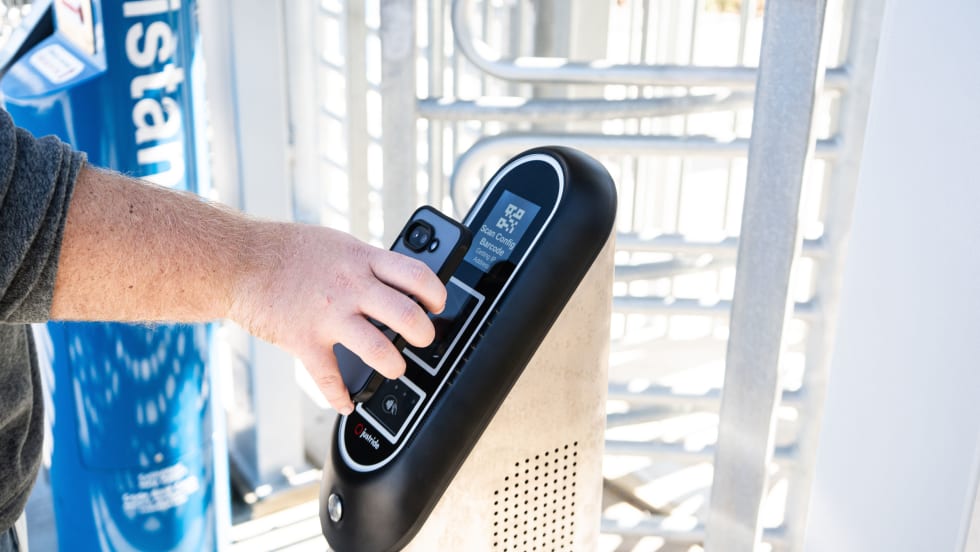
Biz Briefs: Masabi Teams with St. Louis Metro and More
In METRO's latest installment, we take a look at recent news from Transdev, Hitachi, and more partnerships making headlines across the transportation sector.
Read More →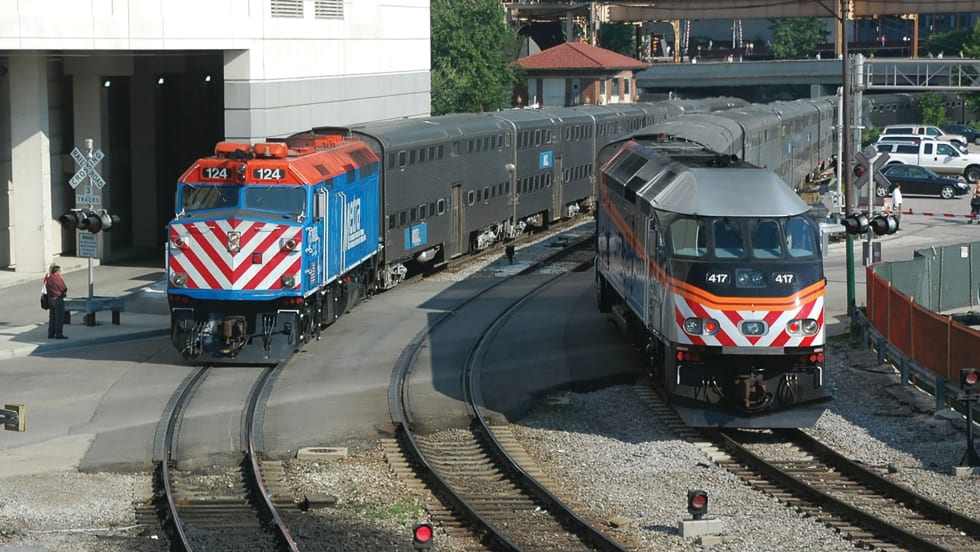
Metra Begins Drone Pilot Project to Boost Safety and Security
The project is funded through a $620,000 grant from FEMA’s Transit Security Grant Program, which provides transit agencies with funding for projects intended to protect critical transportation infrastructure and the traveling public.
Read More →
Austin Transit Partnership Selects Stadler to Manufacture Light Rail Vehicles
The award marks the conclusion of a series of major procurements over 18 months, as outlined in ATP’s delivery plan, and keeps Austin Light Rail on track.
Read More →