



Washington state report recommends VMT to fund highway system
Plan would replace gas tax to pay for infrastructure, which could set precedent as new federal authorization debate is set to begin.

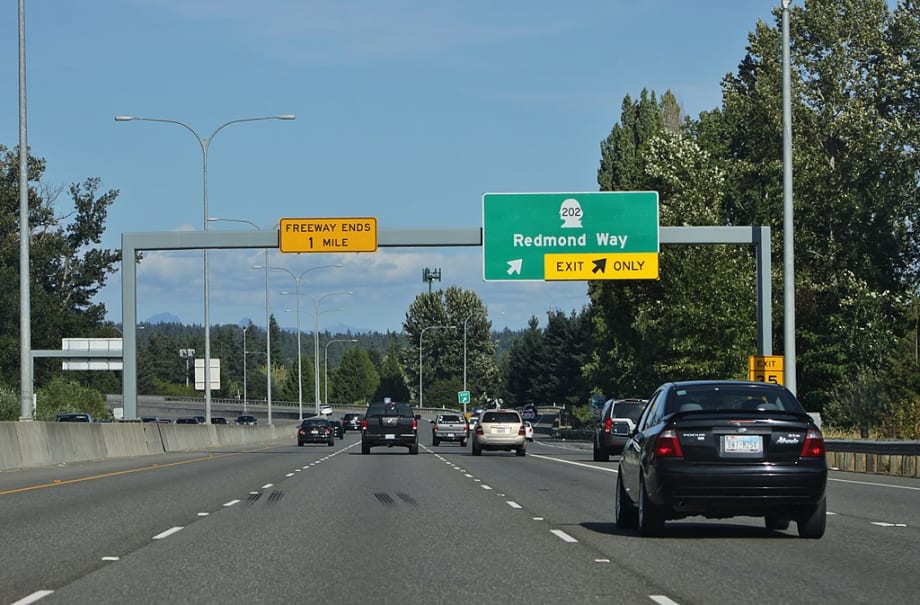
The Washington State Transportation Commission recommends the state begin its initial move away from fuel taxes to avoid long-term issues with financing the increasing and evolving needs of our modern highway system.
The Washington State Transportation Commission recommends the state begin its initial move away from fuel taxes to avoid long-term issues with financing the increasing and evolving needs of our modern highway system.
A new report by the state of Washington highlights the necessity and benefits of moving away from fuel taxes and transitioning to a Vehicle Miles Traveled (VMT) system to fund the state’s highway system.
The Washington State Transportation Commission, after an extensive investigation, analysis, and pilot phase, recommends the state begin its initial move away from fuel taxes to avoid long-term issues with financing the increasing and evolving needs of our modern highway system.
According to the report on a potential transition to a VMT, or Road Usage Charge (RUC), system, “With the gas tax already declining, adoption of cleaner and alternative fuel vehicles accelerating, and RUC systems and technologies ready for implementation, the state must act now to avoid a predictable transportation funding crisis later…. RUC policy, public acceptance, and system capabilities are mature enough to implement a RUC system that will serve as a foundation for a larger-scale, new highway funding system in the future.”
Among the report’s key findings:
Beginning the transition to a VMT system now will help avoid a predictable, preventable revenue crisis associated with continuing to rely on the gas tax. A transition can also ensure that drivers do not pay both a gas tax and a VMT.
Continued reliance on the gas tax will continue to shift the burden of paying for the road system onto an increasingly smaller number who drive older vehicles with low MPG and may not be able to afford newer, more fuel-efficient vehicles, and rural drivers, who on average drive less fuel-efficient cars compared to urban drivers and already pay a larger share of gas taxes due to driving greater distances.
Rural drivers, generally speaking, would likely pay less under a VMT system while urban drivers would pay more than under current fuel rates.
Using the rates tested in the pilot, hybrid drivers, for example, would likely pay more under a VMT system, while drivers of older, less fuel-efficient pickup trucks would likely pay a third less than they pay under the current fuel tax rate.
Under the pilot program, 71% of respondents supported implementation of a VMT as a replacement to the gas tax. 68% preferred VMT over the gas tax or preferred it equally.
There is now a pathway toward replacing the gas tax that is fiscally sustainable and fair.
It is possible to transition to a VMT system that protects privacy, preserves equity, and can be implemented at a reasonable cost.
The report noted a transition can begin while some key issues continue to be addressed, such as issues of privacy, simplicity for users, equity, and collection costs. Several other states are also involved in analyzing and piloting VMT systems with the assistance of federal transportation grants authorized in the FAST Act.
To view the full report, click here.
More Management
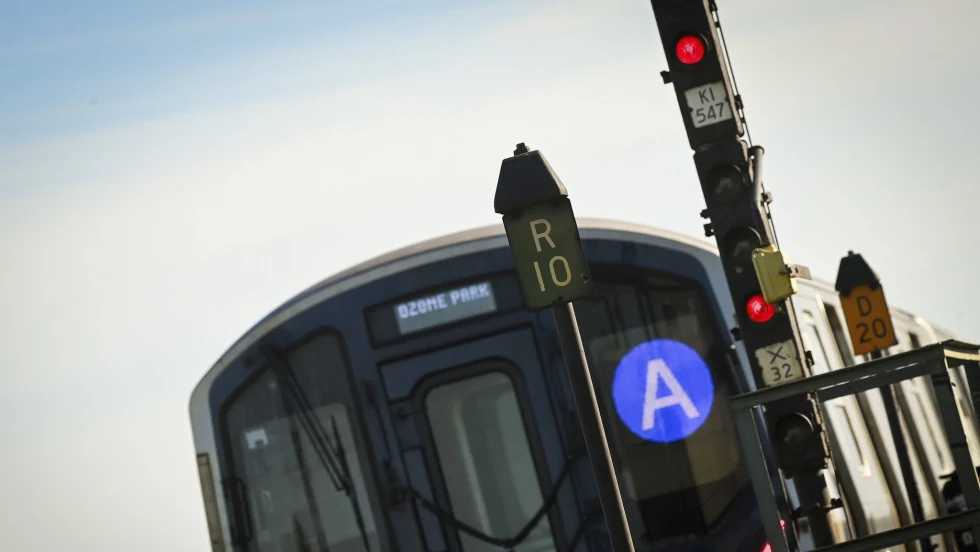
New York MTA Launches Historic $1.9B Signal, Track Modernization Project
Funded in part by congestion pricing revenue, the project will replace nearly century-old signals along the A and C lines in Brooklyn and Queens.
Read More →
Brian Dickson on Building Stronger, More Resilient Transportation Organizations
Bus Business Consultants Founder Brian Dickson discusses the leadership principles, operational discipline, and strategic planning that separate transportation companies positioned for long-term success from those stuck in survival mode.
Read More →
LA Metro Breaks Ground on Vermont BRT Project
The 12.4-mile corridor is projected to serve 66,200 daily riders, reduce travel times by up to 24%, and create the nation's busiest bus rapid transit corridor.
Read More →
Building Stronger Leaders, More Resilient Transit Teams
Dr. Carol Parker Walsh discusses leadership development, employee retention, workplace culture, and preparing transit’s workforce for AI and automation.
Read More →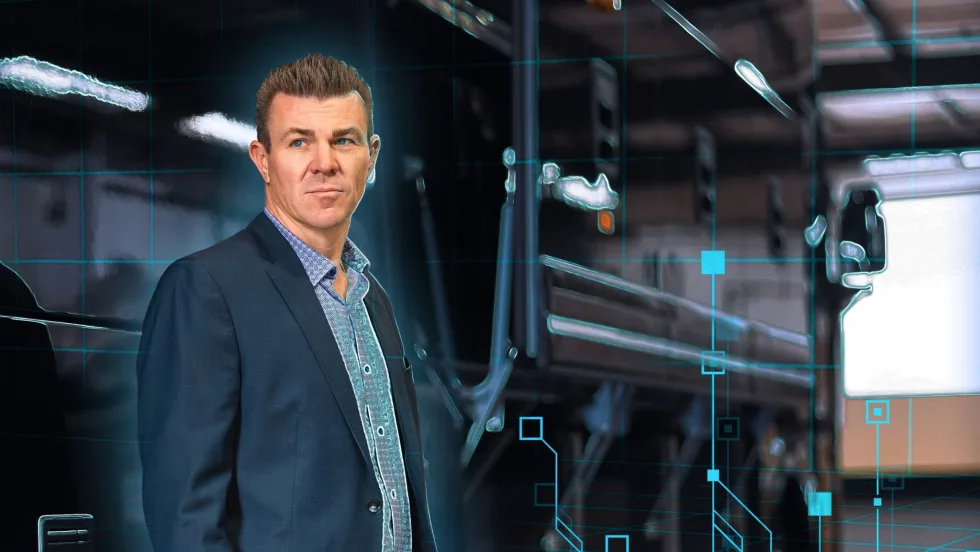
Roman Cornell on ABC Companies’ Evolution and the Future of Passenger Transportation
The company’s CEO discusses carrying forward a third-generation family legacy, ABC’s continued evolution in passenger transportation, support for increasingly complex fleets, and how technology and continued investment could help operators improve uptime.
Read More →
CATS Launches West Charlotte Microtransit Zone, Expands Transit Services
The new microtransit zone connects residents to key destinations as Charlotte Area Transit System rolls out the first phase of its 2055 Transit System Plan.
Read More →
VIA Bus Ridership Grows 10.1% Through August 2026
San Antonio's VIA Metropolitan Transit reported the highest bus ridership growth among major Texas transit systems. Federal Transit Administration data ranked it second among the nation's 50 largest transit systems.
Read More →
CSA Group Releases Climate Resilience Standard for Transit, Passenger Rail
Developed with support from the Standards Council of Canada, CSA D700 guides assessing climate-related risks and planning adaptation measures for transit and passenger rail systems.
Read More →
ETA CEO John Maglio on Transit Technology, Innovation, and Building Agency Trust
ETA founder and CEO John Maglio explores the evolution of transit technology, the importance of reliable systems, and how stronger partnerships can help agencies improve operations and the passenger experience.
Read More →
COTA Launches First Customer Experience Action Plan to Improve Transit Service
The new plan outlines improvements to service reliability, accessibility, communication, and the overall rider experience across Central Ohio's transit system.
Read More →