



WMATA awards new Va. bus facility contract to Transdev
The move is expected to control cost growth while delivering quality service and preserving current employees’ jobs.

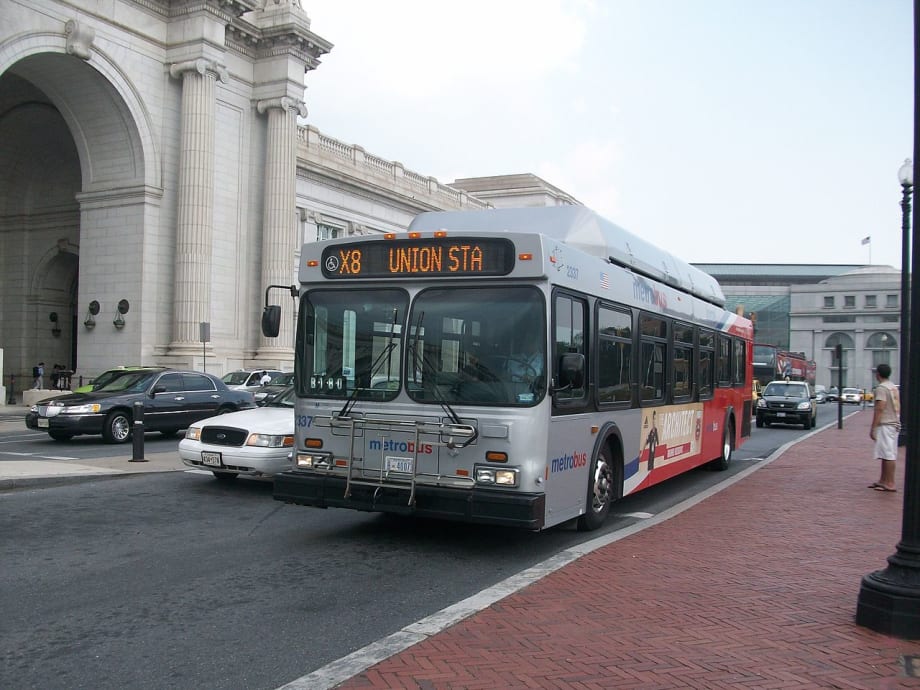
The contract will save Metro $15 million over the next five years, without eliminating current union-represented employees.
Kevin B.
The contract will save Metro $15 million over the next five years, without eliminating current union-represented employees.
Kevin B.
The Washington Metropolitan Area Transit Authority (WMATA) awarded a contract for the maintenance and operation of buses from its new Cinder Bed Road bus facility in Lorton, Va., in a move expected to control cost growth while delivering quality service and preserving current employees’ jobs.
The contract was awarded to Transdev, which operates transit services in the region for Prince George’s County and Loudoun County, as well as in other markets including Detroit, Los Angeles, and Pittsburgh. The contract, which is expected to add 140 new jobs, includes a mobilization period prior to the facility opening in December, three base years, and two one-year options. The contract is valued at $89 million including the two option years.
“To preserve current service levels for customers and protect jobs for our existing employees, WMATA is working to contain cost growth,” said GM/CEO Paul Wiedefeld. “This is a step toward keeping Metro affordable for riders, while helping to meet the legal mandate to hold subsidy growth for operating trains and buses for taxpayers at three percent.”
More than 70% of WMATA’s operating budget pays for labor costs. The contract will save Metro $15 million over the next five years, without eliminating current union-represented employees. The savings are the result of management efficiencies, and by avoiding additional pension and retirement benefits associated with hiring new employees. Metro’s current unfunded pension and retiree benefits liability is $2.8 billion.
Since 2010, the region’s share to operate trains and buses has grown about 8% annually, while farebox revenues remained flat. WMATA’s financial plan to “Keep Metro Safe, Reliable, and Affordable” aims to hold costs down through business efficiencies and new policies, all while maintaining service quality.
Ten bidders expressed interest in WMATA’s solicitation for the work, and five submitted proposals. The agency’s largest Union, ATU-Local 689, submitted a proposal that could not be considered because it failed to meet the authority’s public procurement requirements.
To ensure safe and reliable service for customers, the Cinder Bed Road facility contract includes 15 key performance metrics that will be used to measure TransDev’s performance. The agreement includes incentives for meeting or exceeding the metrics and consequences for falling short. These include measurements for on-time performance, vehicle cleanliness, customer comfort, ADA equipment availability, and preventive maintenance compliance.
More Bus

Scenes from APTA TRANSform & EXPO 2026
Transit leaders, manufacturers, and industry professionals gathered in Chicago to explore new technologies, share ideas, and discuss the future of public transportation.
Read More →
More Than a Summer Job: Building the Next Generation of Transit Talent
The Delaware River Port Authority and PATCO have transformed their internship program into a hands-on professional development experience that introduces students to the breadth of transportation careers — and creates a pipeline for future employees.
Read More →
LA Metro Board Awards 220 Battery-Electric Bus Contract to ENC
The contract, which is the largest base award of battery-electric buses by a U.S. transit agency, will be built in Southern California, sustaining good jobs as LA prepares to welcome the world in 2028
Read More →
Public Transit Conference Returning to GFX in 2027, Call for Papers Now Open
The Call for Papers is now open, allowing transit agency professionals and industry experts to help shape the PTC educational program by submitting session ideas for consideration.
Read More →
Indian River Transit’s Community-Focused Approach Earns National Recognition
Named APTA’s 2026 Outstanding Public Transportation System in its size category, Florida’s Indian River County transit system continues to grow ridership through fare-free service and a focus on evolving community needs.
Read More →
ENC Lands MATA Contract and More in Biz Briefs
In this edition of Biz Briefs, we spotlight the latest developments shaping the future of mobility.
Read More →
From Surviving to Thriving: Building Stronger Transportation Organizations
Bus Business Consultants founder Brian Dickson shares lessons on leadership, organizational health, and creating options for long-term success in a changing transportation industry.
Read More →
Everett Transit, Community Transit Outline Consolidation Agreement
The proposed agreement calls for a 50% increase in bus service in Everett, a new microtransit zone, continued paratransit service, and the transfer of Everett Transit operations to Community Transit.
Read More →
SEPTA Details Accelerate Vision for Transit System
The plan outlines investments in trolley modernization, new Metro and Regional Rail vehicles, accessible stations, and more frequent bus and rail service.
Read More →
Report: Transit Bus Manufacturing Supports 34,100 Jobs, $5.1B in GDP
The “Buses Mean Business” report examines the transit bus manufacturing industry’s economic footprint, supply chain, and rising demand for vehicle replacements.
Read More →