



Laketran Cuts Fuel Costs, Boosts Efficiency with Propane-Powered Fleet
The Ohio transit agency is using propane-powered vehicles and on-site fueling infrastructure to cut fuel and maintenance costs while meeting growing demand for paratransit services.
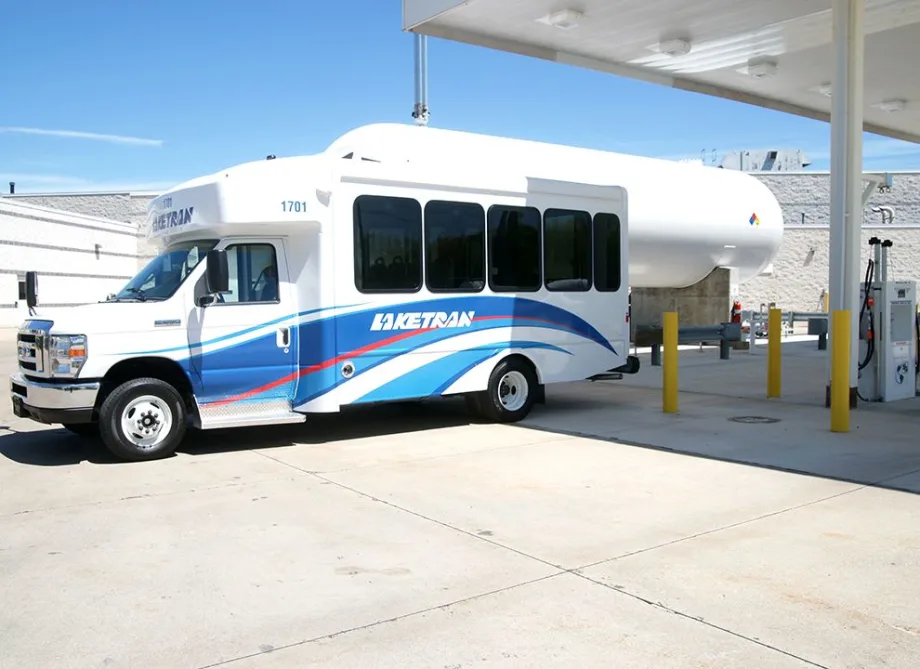
Superior Energy Systems installed the entire onsite fueling infrastructure in less than a month.
Laketran
- Laketran, an Ohio transit agency, has implemented propane-powered vehicles to reduce fuel expenses.
- The agency has developed on-site fueling infrastructure, enhancing operational efficiency.
- This strategy supports the growing demand for paratransit services by lowering maintenance costs.
*Summarized by AI
A quarter of a million trips per year is a lot for any transit bus fleet. With that kind of volume, managing costs is crucial, especially fuel costs, whether gasoline or any available alternative fuel.
But another aspect is sometimes overlooked: fueling. In other words, ease of fueling must complement fuel cost to support more efficient operations. Increased efficiency means virtually every trip is on time and seamless for the customer.
Laketran, which serves Lake County, Ohio, about 30 miles east of Cleveland, has a fleet of about 200 vehicles. Ninety of those are ROUSH CleanTech Ford E-450 cutaway vans fueled by propane, supporting its popular Dial-a-Ride paratransit program, as well as its countywide, same-day Rides on Demand and new Airport Express services.
Propane’s cost savings for Laketran is substantial. Year to date as of September 2026, Laketran has spent $221,000 for unleaded gasoline, at $2.28 per gallon. Conversely, it has paid $114,500 for propane, at $1.10 per gallon.
Director of maintenance Nick Borelli said that’s a major reason paratransit fleets should consider propane. That, along with substantially reduced emissions, lowers maintenance costs for oil, filters, and labor.
“When you can use American-made propane, it helps stabilize your costs,” Borelli said. “We’re getting a clean-burning vehicle, so less carbon builds up in the engines. We’re getting a little more longevity.”
Ease of Propane Refueling Crucial
Laketran began considering propane as an alternative to gasoline in 2015, along with other options, including hydrogen fuel cells at one point. Propane made the grade because it saved money on both fuel and maintenance, and its use grew fast.
For example, Laketran initially deployed eight propane vehicles in 2017, transitioned its entire 60-bus fleet by 2023, and added 30 additional buses by 2026, for a total of 90 buses.
Another key metric is the propane those vehicles consume. In 2018, Laketran used 14,423 gallons of propane for 78,070 miles of trips. Fast-forward to 2025, and those numbers jump to 357,810 gallons for 2,031,536 miles of trips.
But that expansion had more to it than meets the eye. Fueling had to be efficient for drivers, who these days are on the road for about 275,000 trips annually on propane buses. Borelli said an on-site propane fueling station is the way to go.
Right now, Laketran has one 30,000-gallon propane tank at its Painesville, Ohio, headquarters with two PRO-Vend dispensers from Superior Energy Systems. Dual lanes allow two buses to fuel at one time.
Blossman Gas also handles fuel delivery efficiently. Borelli said Laketran receives 10,000-gallon deliveries once a week or every other week. That improves efficiency, since it takes no more than five minutes to refuel one vehicle.
Further Cost Savings
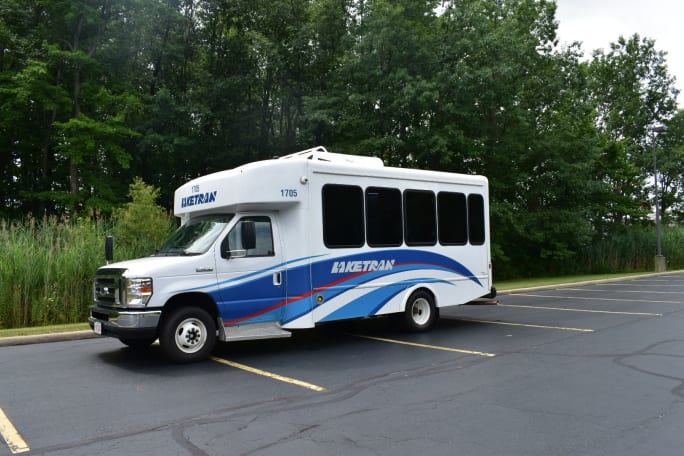
Laketran, which serves Lake County, Ohio, about 30 miles east of Cleveland, has a fleet of about 200 vehicles. Ninety of those are ROUSH CleanTech Ford E-450 cutaway vans fueled by propane.
Laketran
Further cost savings for Laketran come from the Ohio Propane Gas Association, which offers a $4,000 annual rebate per propane vehicle for up to four vehicles. Laketran has received those funds every year, totaling $16,000.
The benefits of propane have extended to Geauga Transit, which serves nearby Geauga County. That agency, which Laketran began operating in 2023, currently uses 10 of 25 propane vehicles and an on-site fueling station with two 2,000-gallon tanks and one PRO-Vend dual-hose dispenser.
Superior Energy Systems installed the entire onsite fueling infrastructure in less than a month. Once the tanks were installed, Borelli said, “Within a week we were pumping fuel.”
No doubt Laketran CEO Ben Capelle is a big fan of propane.
“I love propane buses,” Capelle said. “The number one reason is they save the taxpayers 35 percent, and we don’t have to compromise on quality, safety, performance, or anything.”
Borelli said propane vehicles will only grow as Laketran’s ridership increases. About 95% of Dial-a-Ride passengers are senior citizens and people with disabilities, and the program delivers door-to-door anywhere in Lake County, with occasional rides into Cleveland for medical purposes only.
Those numbers are expected to grow as well, said Julia Schick, Laketran director of communications. Currently, 20% of Lake County’s population is over age 60, and that is likely to increase to 30% by 2030. Laketran has seen 36% growth over the last five years, she added.
“As a sustainable fuel source, propane was the best option, and that helps keep costs down,” Schick said. “That’s what really drove the transition to propane. We made the decision based on finances; we’re saving on bus replacement costs, fuel, and maintenance all while using an American-made fuel that reduces emissions.”
About the Author: Derek Rimko is Vice President of Operations for Superior Energy Systems
Quick Answers
Laketran is using propane-powered vehicles to enhance efficiency.
*Summarized by AI
More Paratransit

Pierce Transit Moves to Expand Fleet Following Proposition 1 Approval
The agency authorized the purchase or refurbishment of up to 60 buses to support a 47% service expansion, as voters nationwide approved billions in new transit funding.
Read More →
Right-Sizing Rural Transit: Lessons from North Grenville’s On-Demand Model
A small municipality shows how flexible service, rider needs, and public accountability can expand mobility with limited resources.
Read More →
Frontrunner Bus Group Introduces XF Low-Floor Bus with Enhanced Accessibility
The new mid-sized bus features a full flat-floor design, eight-inch curbside step-in height, and zero-entry rear ramp to improve passenger access and operational flexibility.
Read More →
Scenes from APTA TRANSform & EXPO 2026
Transit leaders, manufacturers, and industry professionals gathered in Chicago to explore new technologies, share ideas, and discuss the future of public transportation.
Read More →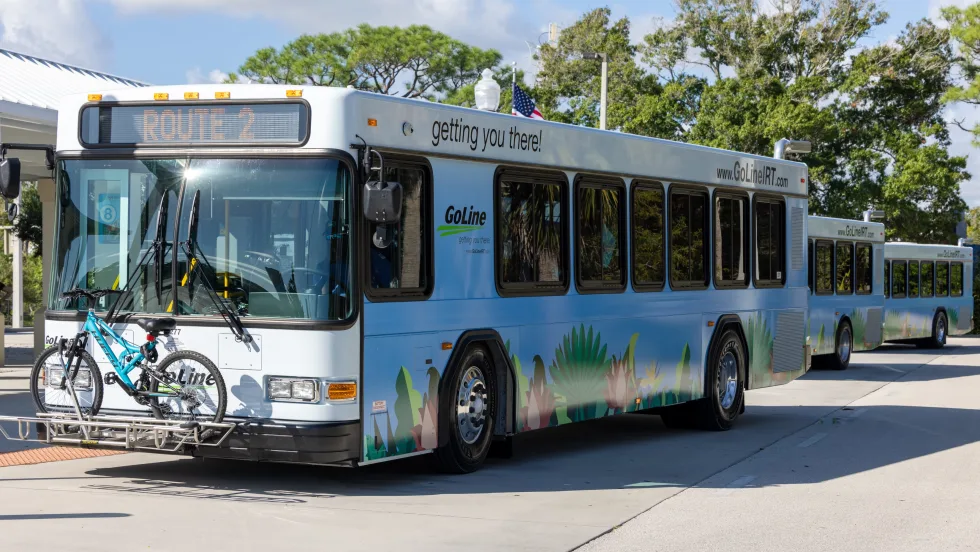
Indian River Transit’s Community-Focused Approach Earns National Recognition
Named APTA’s 2026 Outstanding Public Transportation System in its size category, Florida’s Indian River County transit system continues to grow ridership through fare-free service and a focus on evolving community needs.
Read More →
Everett Transit, Community Transit Outline Consolidation Agreement
The proposed agreement calls for a 50% increase in bus service in Everett, a new microtransit zone, continued paratransit service, and the transfer of Everett Transit operations to Community Transit.
Read More →
Driving Smarter Paratransit
John Hanlon shares how AlphaRoute is leveraging AI-powered technology to help paratransit providers optimize operations, support frontline staff, and enhance the rider experience.
Read More →
People Movement: Dan Dipert Coaches Adds Third-Generation Leader, Keolis Names New Valley Metro VP/GM, and More
In this edition, we also cover recent appointments and announcements at the Wabtec, SilverRide, HNTB, and more, showcasing the individuals helping to shape the future of transportation.
Read More →
Biz Briefs: RIPTA Unveils New Frontrunners, Clevland RTA Adds New Siemens, and More
In METRO's latest installment, we take a look at recent news from Siemens, Prevost, Dodge, and more partnerships making headlines across the transportation sector.
Read More →
King County Metro Makes ADA Paratransit Easier to Navigate
METRO's Innovative Solutions Award winner replaces complex service-area descriptions with an accessible, interactive map that puts paratransit information directly in customers’ hands.
Read More →