



Related: WMATA Names Location for Planned Zero-Emission Bus Facility
WMATA to Maintain Reduced Rail Service Through Year End
Metro said it expects to update its service plans before the end of the calendar year.
by Staff
December 1, 2021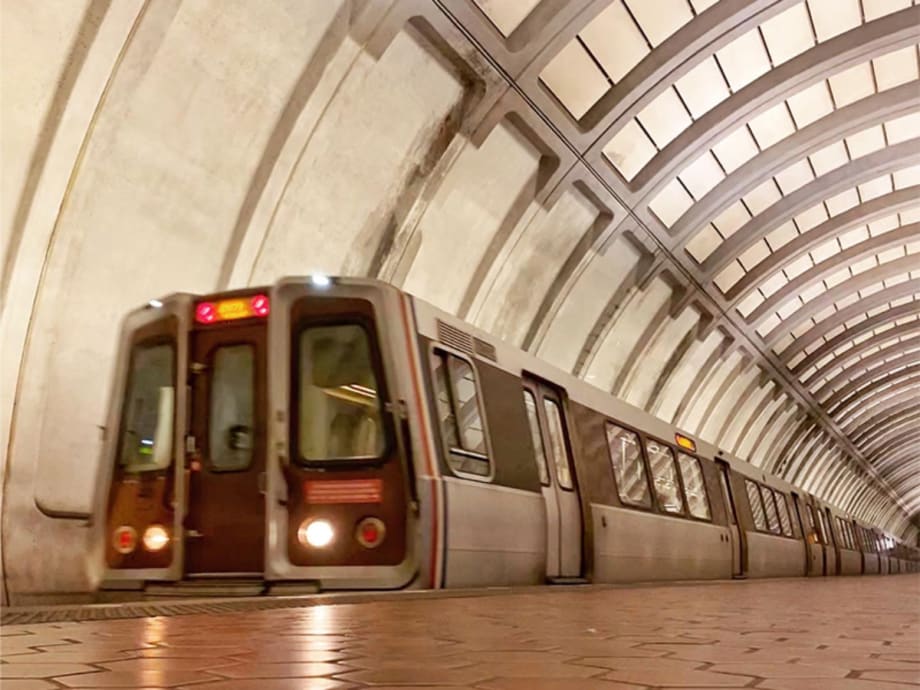
The rail service outlook for January 2022 will depend upon the successful completion of the 7000-series test plan and restoration plan.
Photo: WMATA
2 min to read
Washington Metropolitan Area Transit Authority announced customers can expect to see current (reduced) rail service levels through Dec. 31, according to the agency's press announcement.
There is currently no timeline established to return the 7000-series fleet in the interest of safety. Additionally, 6000-series railcars are awaiting parts due to global supply chain challenges. Metro said incremental service improvements will be made during December as parts arrive for older model railcars.
“As we get more parts, we will return more of the 6000-series railcars to service for our customers during December,” said Metro GM and CEO Paul J. Wiedefeld. “While we know service is not as frequent as customers would prefer, we will add each train as it becomes available to help incrementally improve service reliability and frequency.”
Nearly 75% of Metrorail stations have trains arriving at least every 10-12 minutes, as many stations are served by multiple lines. More frequent service depends upon available railcars meeting safety standards, while Metro continues to test new inspection protocols for its newest 7000-series railcars, which were sidelined in October.
“This is a monumental undertaking that is being performed on parallel tracks to ensure that we have as little down time as possible between testing and remobilizing the fleet,” Wiedefeld said. “We are intentionally not setting deadlines so that safety and good data drive our decisions, but we are mindful that customers want the best service we can provide as soon as we can deliver it, and we are committed to building back up in phases.”
Metro typically experiences lower ridership around the holidays and is still operating with 70% fewer riders on average weekdays as the region recovers from the pandemic.
Before the pandemic, rush-hour trains often carried approximately 100-120 passengers per car at their busiest points, and today trains are less crowded, with 50-80 passengers average per car.
The rail service outlook for January 2022 will depend upon the successful completion of the 7000-series test plan and restoration plan and the operational plan to remobilize the fleet for passenger service. Metro said it expects to update its service plans before the end of the calendar year.
Metro said it is also is using this time to prepare for the launch of Silver Line phase two service, as testing, training personnel and resources are required to ramp up for the expected start of passenger service in 2022.
More Rail
Amtrak, CN Reach Agreements to Strengthen Passenger Rail Service, Safety
The agreement resolves a more than decade-long proceeding before the Surface Transportation Board concerning the terms and conditions for Amtrak services, such as the City of New Orleans, Illini/Saluki, and Wolverine.
Read More →
New York MTA Advances Final Contract for Second Avenue Subway Expansion
Contract Four is the largest in the Second Avenue Subway Phase 2 project and includes construction of station infrastructure, tracks, and signals for the subway expansion, MTA officials said. Work on Contract Four will begin in 2027.
Read More →
San Diego MTS Breaks Monthly Trolley Ridership Record
Agency officials said July’s ridership indicates MTS’s continued recovery from the pandemic.
Read More →
Report Examines NJ TRANSIT Reliability, Funding Challenges
The Garden State Initiative analysis examines the roles of Amtrak infrastructure, fleet management, and agency operations while recommending a more performance-based approach to improving reliability.
Read More →
Stadler, CapMetro Sign Long-Term Rail Fleet Support Agreement
Beginning in 2027, Stadler will provide on-site technical expertise, spare parts support, training, and obsolescence management to help extend the reliability and longevity of CapMetro’s GTW fleet.
Read More →
Biz Briefs: Alstom Lands Canadian Contract, LYT to Supply California TSP, and More
In METRO's latest installment, we take a look at recent news from Complete Coach Works, Beep, FlixBus, and more partnerships making headlines across the transportation sector.
Read More →
CATS Gold Line Marks 5 Years of Service, 2.8M Passenger Trips
With a six-mile expansion planned, the Charlotte streetcar is positioned to connect more neighborhoods and major transit hubs across the region.
Read More →
Why Simulating Pedestrian Movement Has Become Essential for Modern Rail Stations
Pedestrian microsimulation is helping rail planners identify bottlenecks, test station designs, and prepare complex transit hubs for growing passenger volumes.
Read More →
Amtrak Begins Major Construction at New York’s Sunnyside Yard
The new maintenance facility will support Amtrak’s Airo trainsets while improving maintenance efficiency and turnaround times in New York.
Read More →
Chicago Leaders Unveil Plans for O’Hare Airport Express Train
The privately developed project would offer a 15-minute trip between downtown and O’Hare’s Terminal 2, with trains operating every 15 minutes on a dedicated track. The service would use battery-electric trains and three existing freight rail rights-of-way.
Read More →