
Metro Magazine

 MENU
MENU SEARCHMENUSEARCH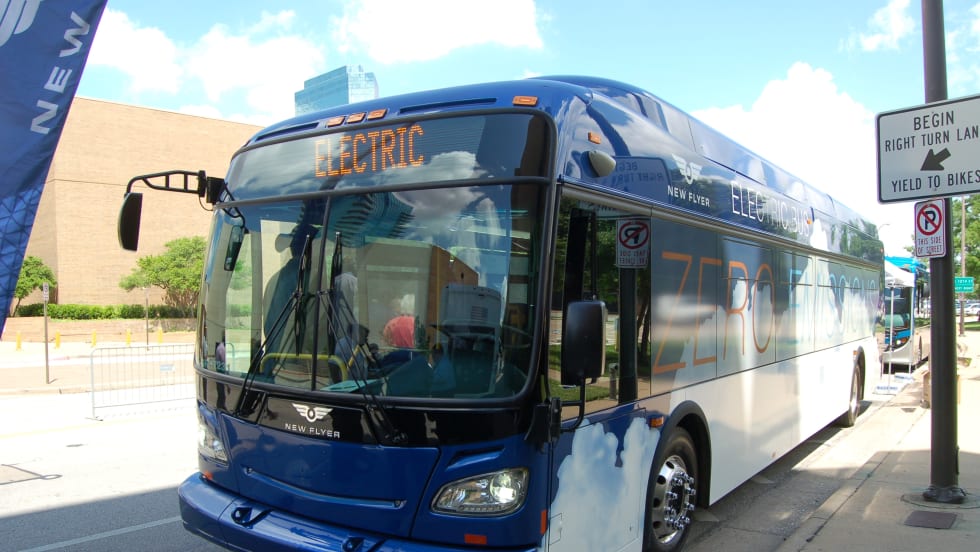
The Hybrid and Zero-Emission Truck and Bus Voucher Incentive Project was created by the California Air Resources Board to speed the early market introduction of clean, low-carbon hybrid and electric vehicles and is administered and implemented through a partnership with CALSTART.
Read More →
Each bus reduces annual emissions by 100 tons of CO2 equivalent per bus, so RTA’s fleet of CNG buses will emit 30% fewer greenhouse gases by 2017
Read More →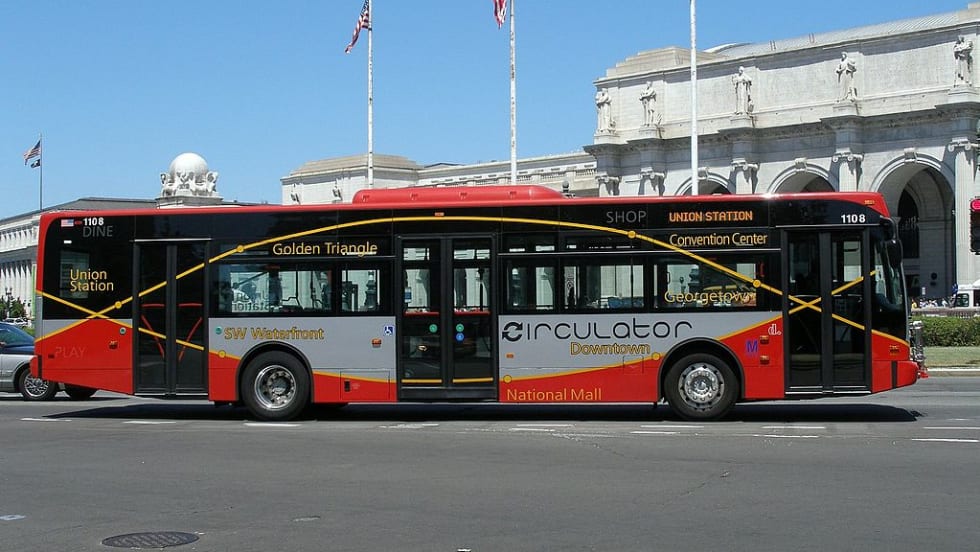
In addition to being more energy efficient, the new buses will have better air conditioning and USB ports for riders to charge their phones.
Read More →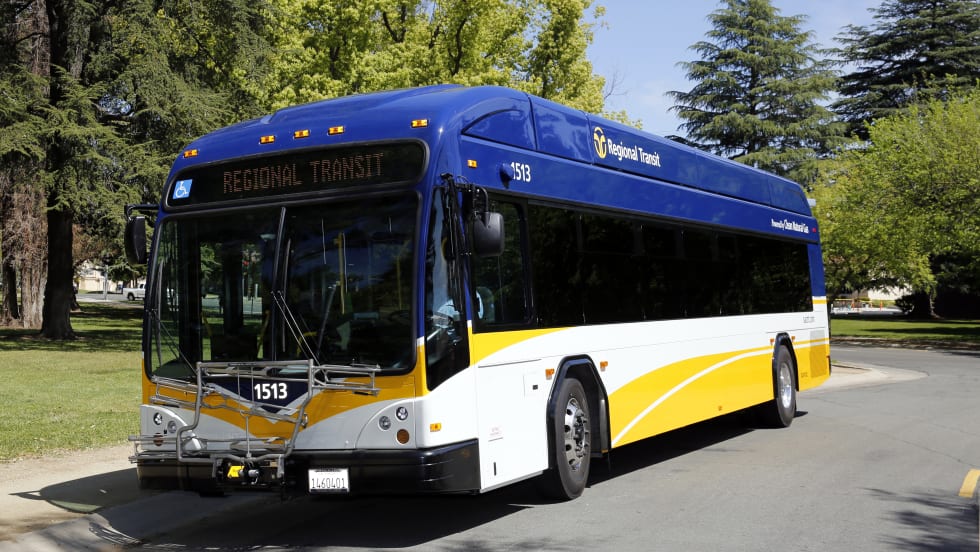
In addition to adding 30 new CNG buses built by Gillig, the agency is developing a 3.3-mile streetcar line to complement its existing light rail services.
Read More →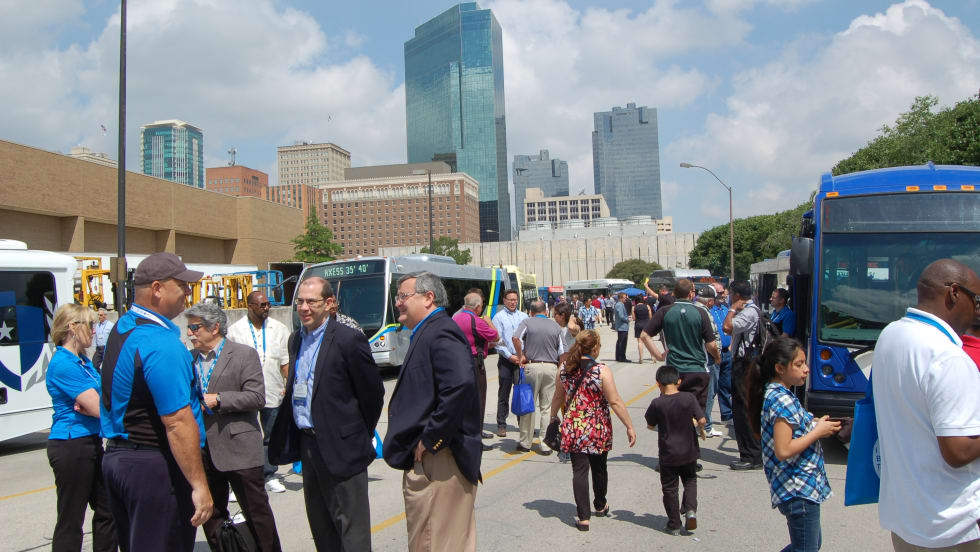
A look at some of the buses on display at the APTA Bus & Paratransit Bus Showcase held in Fort Worth, Texas in May.
Read More →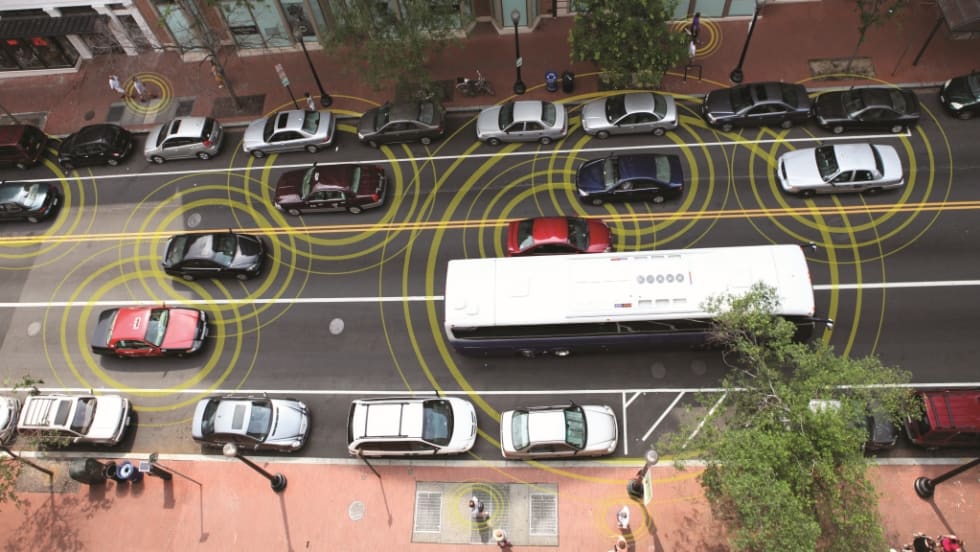
Driverless cars have been in the news for quite some time. Last September, I speculated in PC 360, an insurance trade magazine, that insurance premiums for autos could decrease by as much as 40% over the next five years as autonomous cars made travel much safer. I increased my estimate to a 75% decrease in insurance premiums by extending the timeline to 15 years. When I wrote those two articles, I remember thinking how much of a personal paradigm shift was needed to accept a driverless car as safe. Now, it appears that driverless buses are in the near future as well.
Read More →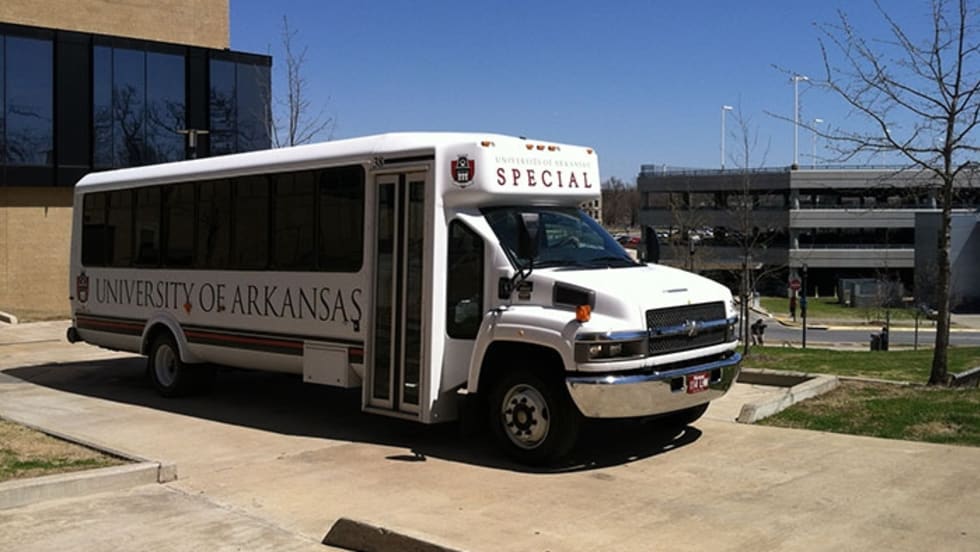
Razorback Charters offers two buses, with seating for 32 passengers, and one wheelchair lift van with seating for 10 and one wheelchair.
Read More →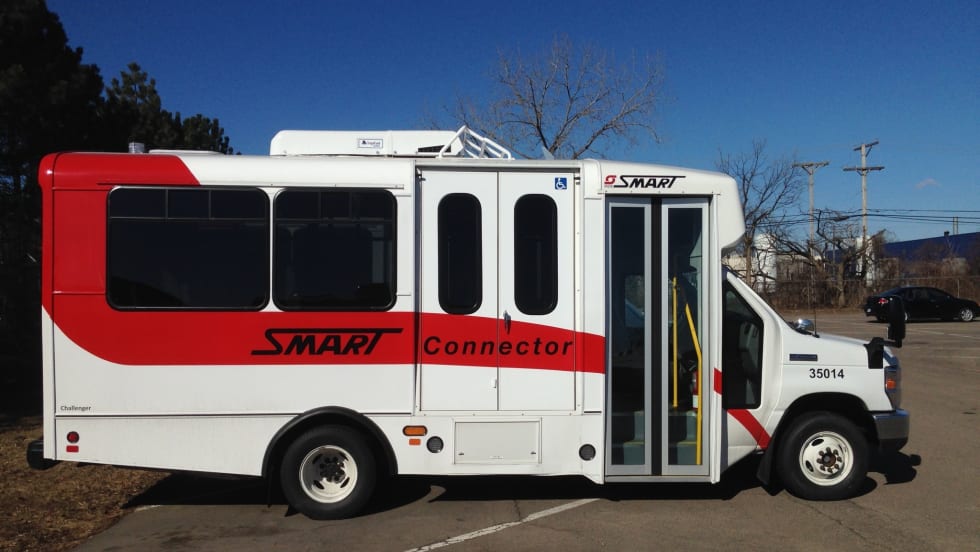
Detroit’s Suburban Mobility Authority for Regional Transportation (SMART) provides fixed-route and paratransit demand service for residents in southeast Michigan. SMART’s fleet consists of 233 fixed-route buses and 110 Connector buses covering 1,100 square miles.
Read More →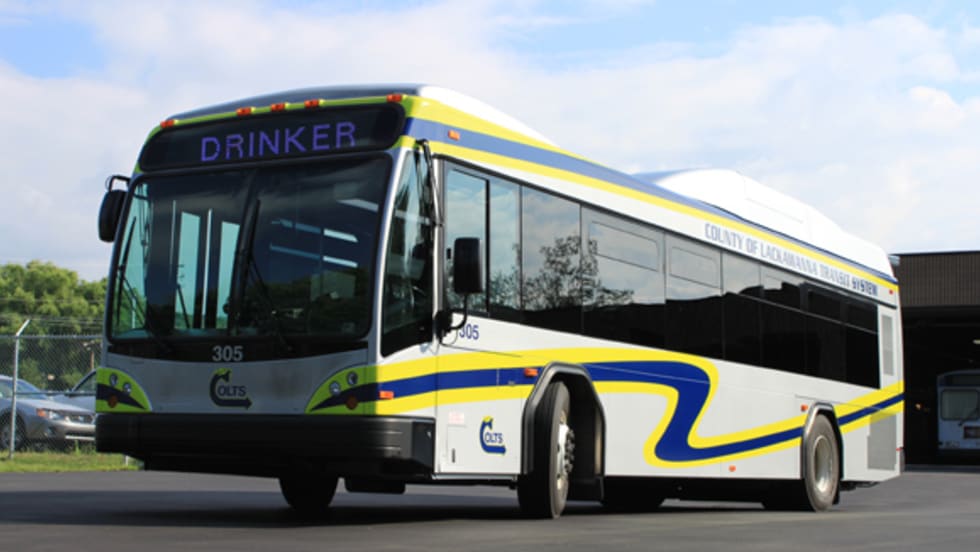
Since 2012, the NEPA Freethought Society has tried unsuccessfully to run various ads on COLTS buses. The rejected ads say “atheists” along with the group’s name and/or website.
Read More →
The LBT Board approved up to $11,069,319, which also includes training and required equipment in support of the purchase.
Read More →