



Pa. agency sued for not running atheists ads
Since 2012, the NEPA Freethought Society has tried unsuccessfully to run various ads on COLTS buses. The rejected ads say “atheists” along with the group’s name and/or website.

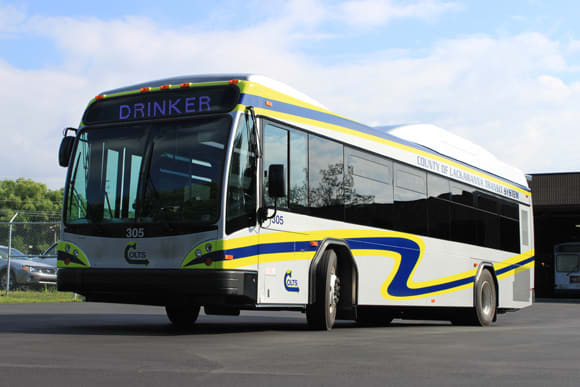
COLTS
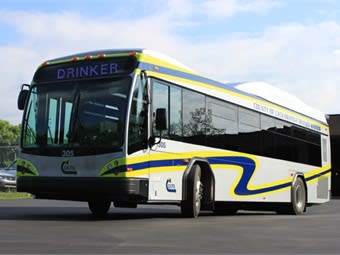
COLTS
The American Civil Liberties Union of Pennsylvania filed a federal lawsuit against the County of Lackawanna Transit System (COLTS) over its refusal to allow a local atheist group, the Northeastern Pennsylvania (NEPA) Freethought Society, to advertise on its buses. The lawsuit argues that the transit system violated NEPA Freethought Society’s free speech rights by rejecting its ads because of the group’s views.
Since 2012, the NEPA Freethought Society has tried unsuccessfully to run various ads on COLTS buses. The rejected ads say “atheists” along with the group’s name and/or website.
COLTS first turned down one of these ads under a policy that gave the agency discretion to reject ads it deemed "controversial" or that would spark debate or discussion of public issues. In commenting on the rejection, COLTS’ solicitors said the agency did not accept any ads “promoting” or “attacking” religion or ads intended to spark public debate. However, according to the complaint, for at least 10 years before NEPA Freethought Society tried to advertise, the agency never rejected a single ad.
In September 2013, the agency again rejected the society’s proposed “atheists” ad, explaining that COLTS believed the ad would “offend or alienate” some riders, causing the agency to lose money. Eight days after rejecting the ad, COLTS adopted a new advertising policy that explicitly banned ads that “promote the existence or non-existence of a supreme deity” or address religion.
In 2014, COLTS finally accepted a version of the NEPA Freethought Society’s ad after it removed the word “atheists.” According to the complaint, COLTS’ decision to ban all religious ads and begin enforcing its advertising policy was motivated by its dislike for NEPA Freethought Society’s beliefs.
More Management

LA Metro Breaks Ground on Vermont BRT Project
The 12.4-mile corridor is projected to serve 66,200 daily riders, reduce travel times by up to 24%, and create the nation's busiest bus rapid transit corridor.
Read More →
Building Stronger Leaders, More Resilient Transit Teams
Dr. Carol Parker Walsh discusses leadership development, employee retention, workplace culture, and preparing transit’s workforce for AI and automation.
Read More →
Roman Cornell on ABC Companies’ Evolution and the Future of Passenger Transportation
The company’s CEO discusses carrying forward a third-generation family legacy, ABC’s continued evolution in passenger transportation, support for increasingly complex fleets, and how technology and continued investment could help operators improve uptime.
Read More →
CATS Launches West Charlotte Microtransit Zone, Expands Transit Services
The new microtransit zone connects residents to key destinations as Charlotte Area Transit System rolls out the first phase of its 2055 Transit System Plan.
Read More →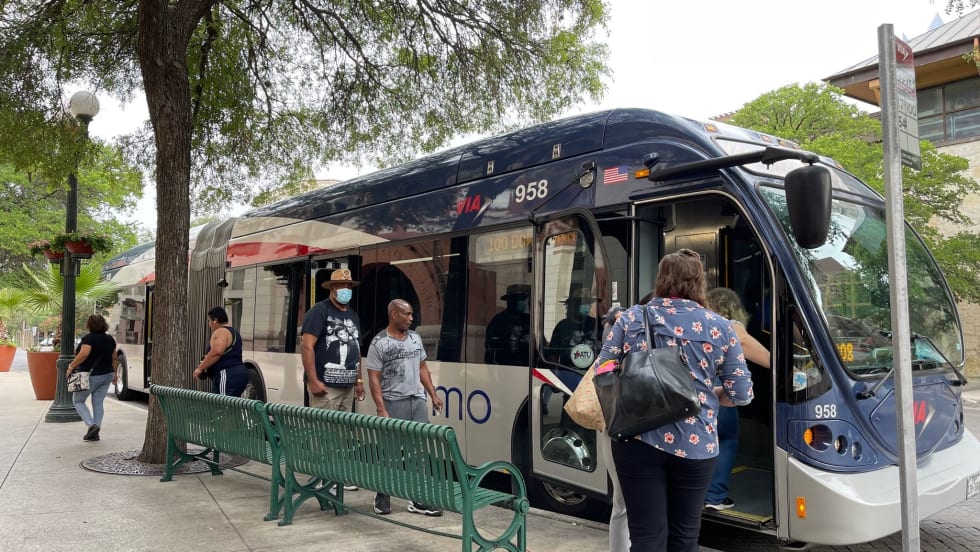
VIA Bus Ridership Grows 10.1% Through August 2026
San Antonio's VIA Metropolitan Transit reported the highest bus ridership growth among major Texas transit systems. Federal Transit Administration data ranked it second among the nation's 50 largest transit systems.
Read More →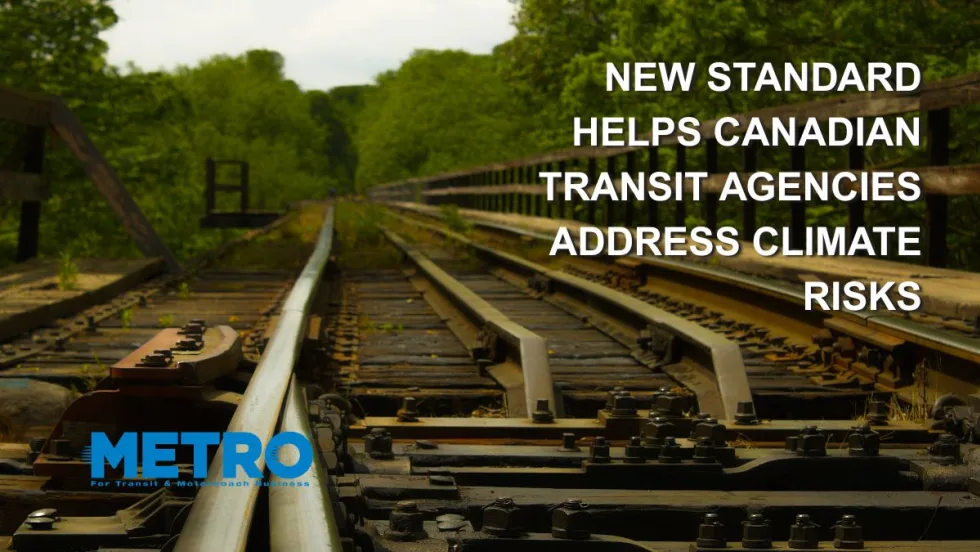
CSA Group Releases Climate Resilience Standard for Transit, Passenger Rail
Developed with support from the Standards Council of Canada, CSA D700 guides assessing climate-related risks and planning adaptation measures for transit and passenger rail systems.
Read More →
ETA CEO John Maglio on Transit Technology, Innovation, and Building Agency Trust
ETA founder and CEO John Maglio explores the evolution of transit technology, the importance of reliable systems, and how stronger partnerships can help agencies improve operations and the passenger experience.
Read More →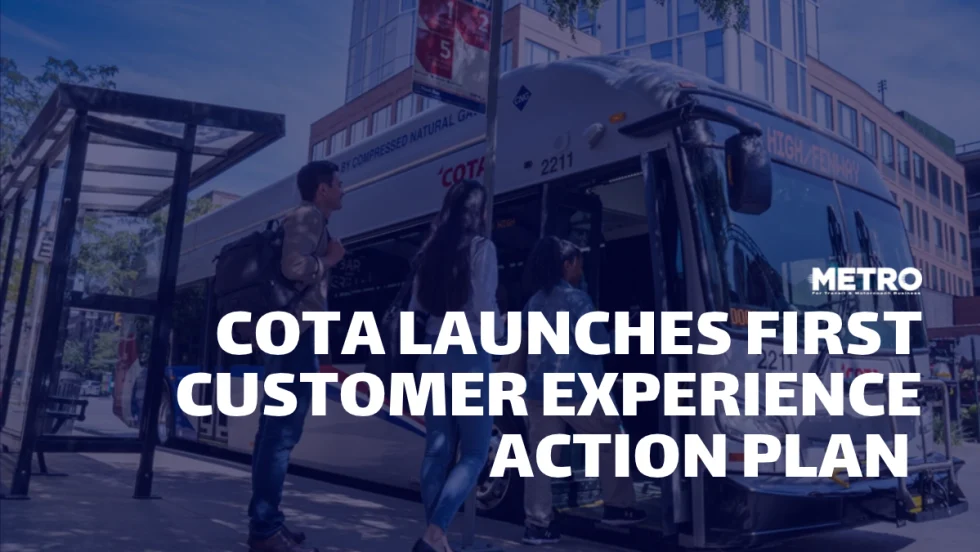
COTA Launches First Customer Experience Action Plan to Improve Transit Service
The new plan outlines improvements to service reliability, accessibility, communication, and the overall rider experience across Central Ohio's transit system.
Read More →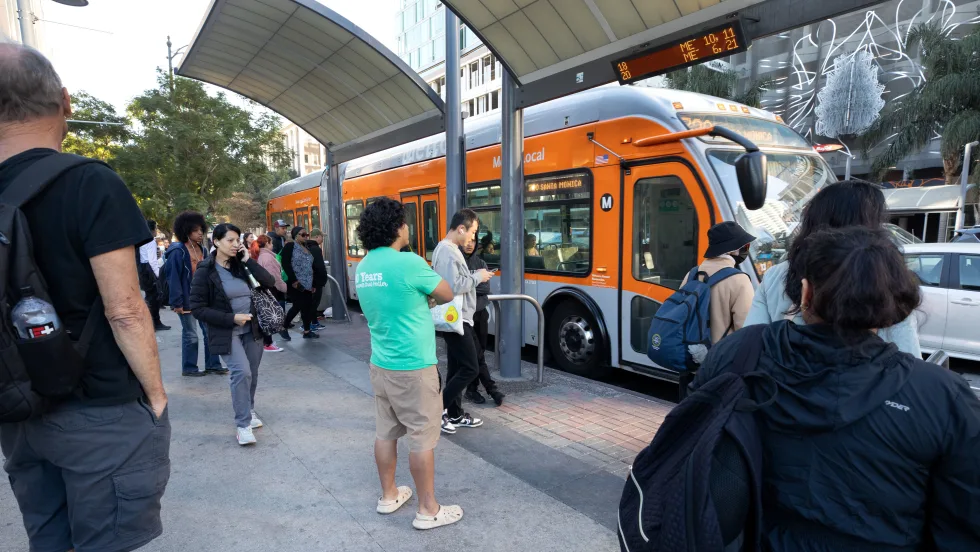
LA Metro September Ridership Climbs 3.9%, Led by Rail Growth
The agency recorded more than 27.2 million boardings, with rail ridership increasing 12.4% year over year and the D Line posting the largest gains.
Read More →
Utilimarc Launches SmartReplace to Optimize Fleet Replacement Decisions
AI-powered SmartReplace helps fleets prioritize vehicle replacements, model budget scenarios, and build more defensible long-term strategies.
Read More →