
Metro Magazine

 MENU
 SEARCHMENUSEARCH
Loading data...

As an outcome of the Smart Cities Movement, Digital infrastructure is thought to provide great hope toward a more connected and livable urban environment.
Read More →



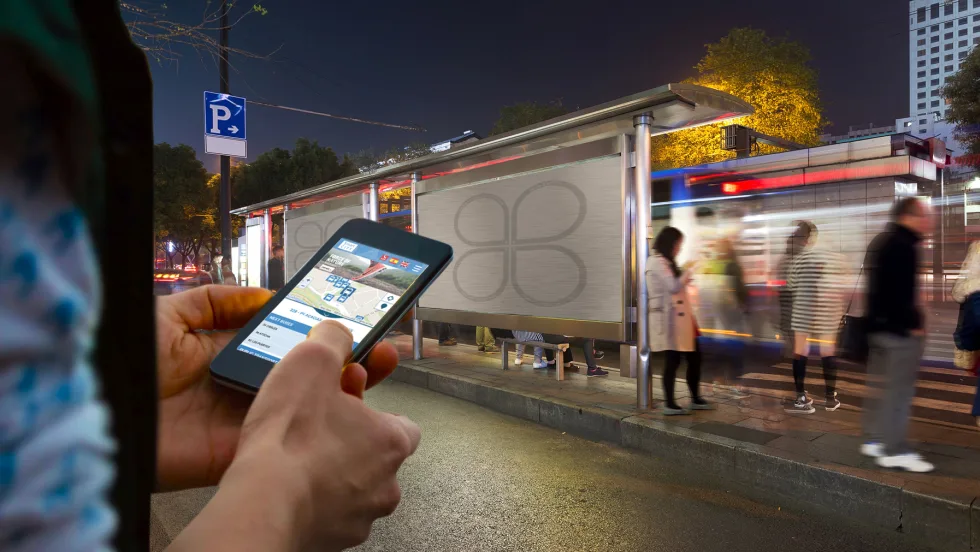

Following a pandemic-driven lull, interest in pursuing MaaS among transit agencies is taking off, and for good reason. The case for providing users access to a vivid spectrum of transportation options in a single app is compelling on grounds that range from cost and convenience to urban livability and environmental sustainability. But how do we get there?
Read More →It is estimated the average American driver pays approximately $300 through road and gas taxes each year, generating critical revenue from each driver that goes toward helping to pay for infrastructure maintenance and other important needs in each region and community.
Read More →ZIG takes a wholistic approach to transit system from the collection of data to how it is used to increase ridership.
Read More →Get the latest from Moovit, Wiremind, and Go-Ahead London.
Read More →The honor recognizes IMPulse for its patent-pending automated Catenary Safety Monitoring System, which improves the reliability and safety of commuter and light rail transit systems while reducing maintenance costs.
Read More →The integration between the company's two solutions allows for a seamless switching between communication networks making it transparent for end-user applications that are sensitive to network latency.
Read More →Municipal officials worldwide are leveraging advances in mobile, communications and Internet of Things (IoT) technologies to build so-called “smart cities” to deliver services more efficiently and improve the overall quality of life for their residents. That work begins with the mass transit system.
Read More →MDS 2.0 is a game changer in the micromobility industry, providing cities and operators with the ability to better understand, communicate, and visualize the status of fleet vehicles in dense urban environments.
Read More →