
Metro Magazine

 MENU
 SEARCHMENUSEARCH
Loading data...

Axonis is an elevated metro system able to transport from 15 to 45,000 passengers per hour per direction, while Urbalis Fluence is the first vehicle-centric communications-based train control system.
Read More →




Conducting an assessment of your existing stops, identifying needed improvements, designing a consistent look-and-feel for your system of stops and shelters, budgeting, and developing an implementation plan are other important steps in the process toward more accessible public transportation.
Read More →Since the first-in-the-nation program began Jan. 5, through Jan. 31, tolls from the CRZ generated $48.66 million in revenue with a net $37.5 million putting the program on track to generate the $500 million that the MTA initially projected.
Read More →The approximately $65 million contract includes the design, supply and installation of the tracks, electrical traction sub-stations, signaling and telecommunications system.
Read More →In addition to meeting the Dec. 31, 2015 deadline, rail operations are faced with cost issues, project deferrals and ensuring interoperability between systems.
Read More →April 2017 is now the earliest projected launch date for the rail system, with SMART planning a startup period with no fares or reduced fares to entice the public into trying the train.
Read More →Improvements on tap include readability, customization, and solar-powered products, while passenger information display options range from service arrival times and weather updates to surveillance footage.
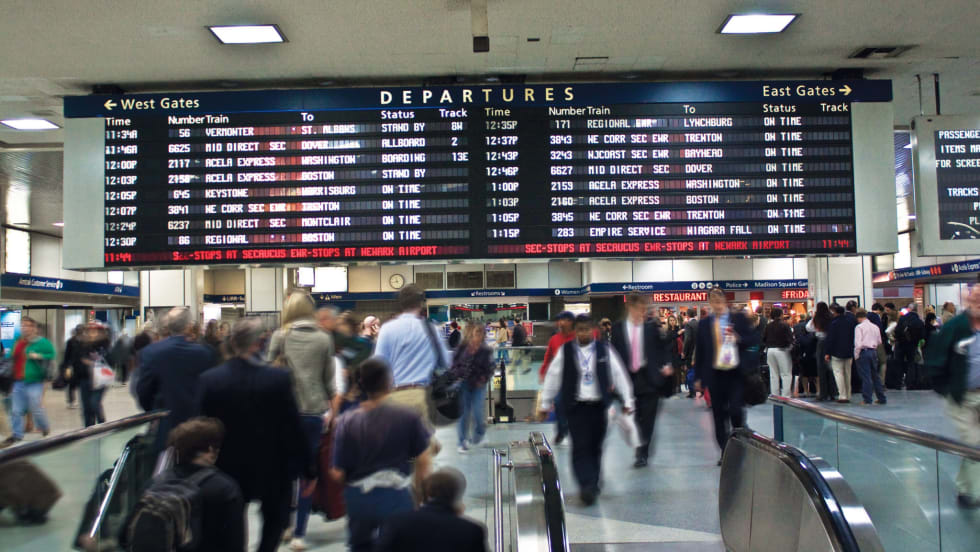
Read More →To expand customer service and ridership, transit properties are investing in high-tech methods of providing passengers with real-time information via displays, annunciator systems, the Internet and e-mail.
Read More →Solutions deliver real-time updates that are important to a rider’s journey, including rider alerts and next-bus information.
Read More →D.C. Metro signaling system still malfunctioning. More Americans traveling by bus. Students choose transit for prom.
Read More →