



Alstom unveils new products at UITP World Congress
Axonis is an elevated metro system able to transport from 15 to 45,000 passengers per hour per direction, while Urbalis Fluence is the first vehicle-centric communications-based train control system.

Alstom is unveiling two innovations at the UITP’s World Congress & Mobility and City Transport Exhibition being held in Geneva this week — Axonis, a metro system and Urbalis Fluence, a signaling solution.
Axonis is an elevated metro system able to transport from 15 to 45,000 passengers per hour per direction, which run mainly on viaduct but can also run on ground level and tunnels. It is a non-proprietary system, allowing cities to increase their fleets and develop line extensions through a competitive bidding process. Axonis fits smoothly into the cityscape thanks to a narrow viaduct that follows the curves of the street allowing for greenery, shops etc. to be installed underneath.
The viaduct designed in partnership with a subsidiary of Bouygues (VSL) uses precast concrete girder boxes for technological simplicity, enabling them to be built by a large number of public works companies around the world. To limit construction nuisances, the viaduct superstructure is formed by concrete beams, cast off-site. Once the viaduct is elevated, concrete railway tracks will use Appitrack — an Alstom fast building method for trams and metro tracks that lays approximately 492 feet of tracks per day compared with approximately 65 feet to 164 feet when using traditional technology.
Axonis is designed for cities with high population density not yet equipped with metro systems or seeking to extend their current networks. It is also intended for cities with underground areas that have protected status as UNESCO World Heritage Sites or are difficult to access. Lastly, it can meet the needs of cities looking for a faster metro system at lower cost, according to Alstom.
The system will be available to market by the end of the year 2013.
Urbalis Fluence is the first vehicle-centric communications-based train control system (CBTC). For the first time, most routing and interlocking functions are efficiently built into the train. This optimal architecture reduces equipment down to 20% and eliminates the need for the traditional split into separate automatic train control and interlocking sub-systems.
In addition, Urbalis Fluence is innovative in its use of direct train-to-train communication. The train registers only the track resources it requires to optimize traffic fluidity and communicate with other train much more quickly, leading to headways reduced from three minutes to only one.
With intervals reduced, Urbalis Fluence increases transport capacity and decreases saturation. With more trains, crowding is less frequent; waiting periods at stations and travel time are shorter making the journey much more enjoyable for passengers.
Furthermore, the new solution offers higher operation availability (24/7 operations) with extreme flexibility of train movements. Therefore in the event of incidents, such as a station closure or a point failure, the solution allows the train to move back to the previous station or bypass the failed point. Passengers are no longer blocked between stations.
Additionally, Urbalis optimizes train operations as it enables it to plan its speed according to each situation during the day, allowing 30% energy savings. In terms of safety, the new solution meets with the highest standards of safety assurance recommended by official authorities.
The system can be installed on standard and elevated metro lines, metro-trams and automated light transit systems. Urbalis Fluence provides the performance needed for heavy ridership exceeding one million passengers per day as well as smaller ones of 10,000 passengers a day. It applies to manual and automatic train operations and new and older lines alike. It takes less than 24 months to implement the system.
More Management
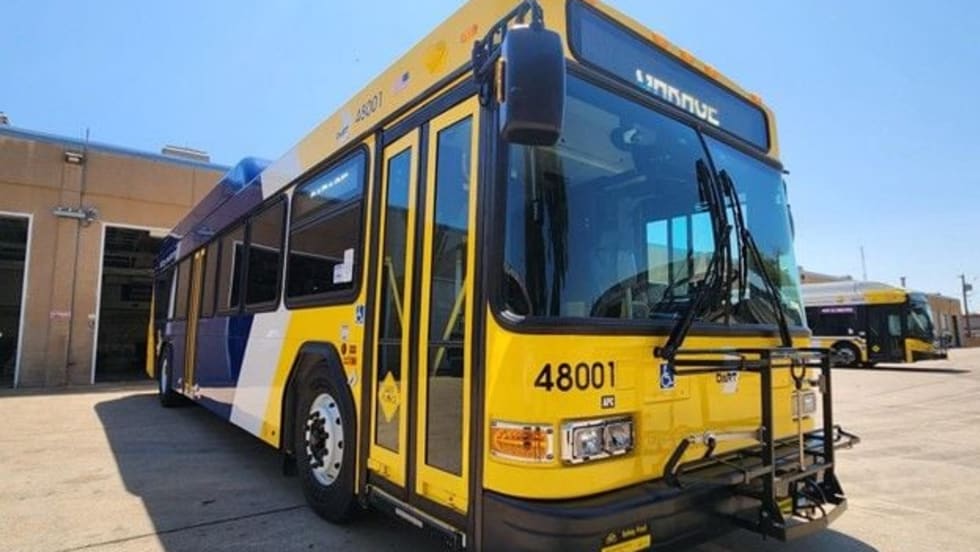
DART Customer Satisfaction Reaches Six-Year High
Overall satisfaction rose to 74.9%, while the agency’s Net Promoter Score reached a record 33.7.
Read More →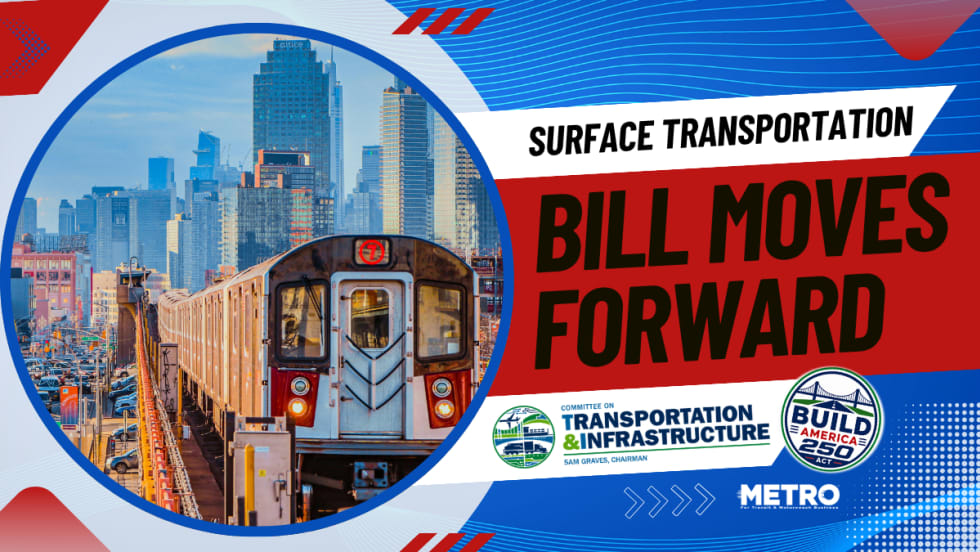
House Surface Transportation Bill Advances as Transit Funding Debate Intensifies
A bipartisan transportation package moving through Congress could redefine how the U.S. funds highways, transit, and motorcoach travel, while igniting new fights over electrification, regulation, and federal priorities.
Read More →
How Data, Strategy, and Community Engagement Are Reshaping Transit
In this edition of METROspectives, strada360 CEO Steve Lassey discusses how transit agencies can better align planning with operations, leverage data to improve decision-making, and build public trust as they prepare for the future of mobility.
Read More →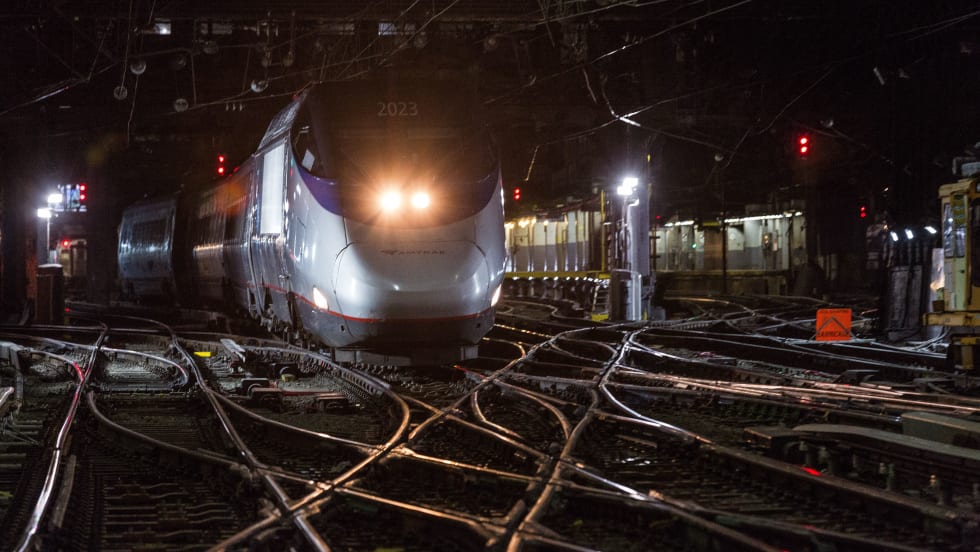
Amtrak Board Advances Plan to Restructure Organization, Seeks Public Input
The proposal, developed by Amtrak management and approved by the board for further consideration, is intended to modernize the organization's structure while improving accountability, operational efficiency, and customer service.
Read More →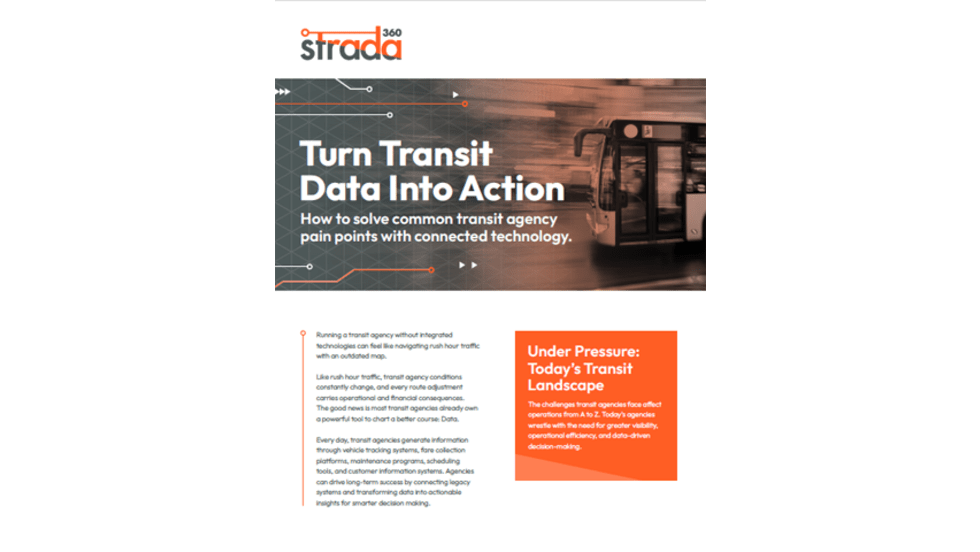
Turn Transit Data Into Action
Discover how leading agencies are using connected technology to gain real-time visibility across operations, improve service reliability, and reduce disruptions.
Read More →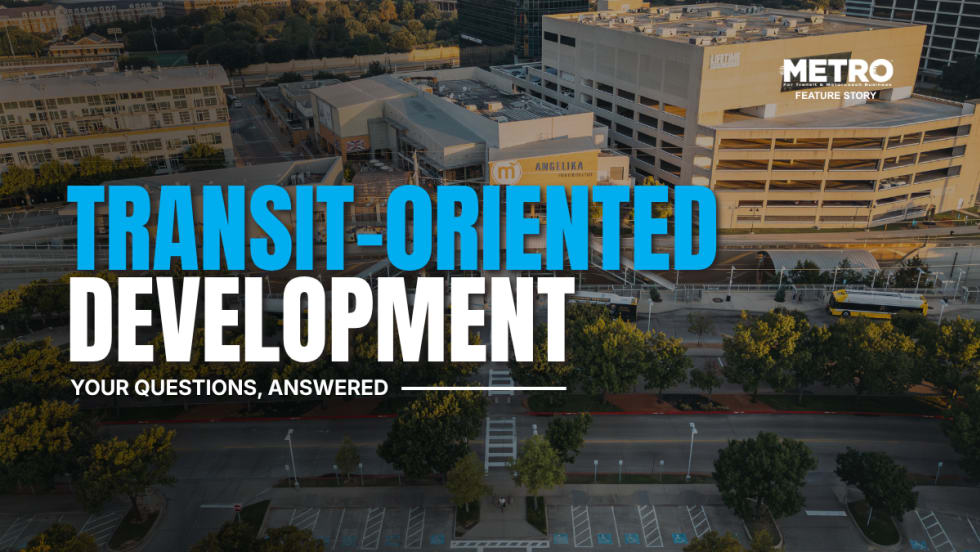
What Transit-Oriented Development Means for the Future of Public Transportation
Once viewed primarily as transit operators, agencies are now leveraging land, partnerships, and long-term planning to boost ridership, expand housing, and strengthen communities.
Read More →
USDOT Announces $22 Million for Transit Innovation, Updates High-Speed Rail Rules
New federal transit funding will support safety, accessibility, and technology projects as updated rail regulations establish new noise standards for high-speed trains.
Read More →
Transportation Construction Coalition Unveils Infrastructure Case Studies Ahead of Federal Funding Deadline
The coalition noted the next surface transportation bill should provide sustained investment in highways and public transit to strengthen freight movement, improve safety, and support economic growth.
Read More →
People Movement: American Bus Association Extends Ferguson and More
METRO’s People Movement highlights the latest leadership changes, promotions, and personnel news across the public transit, motorcoach, and people mobility sectors.
Read More →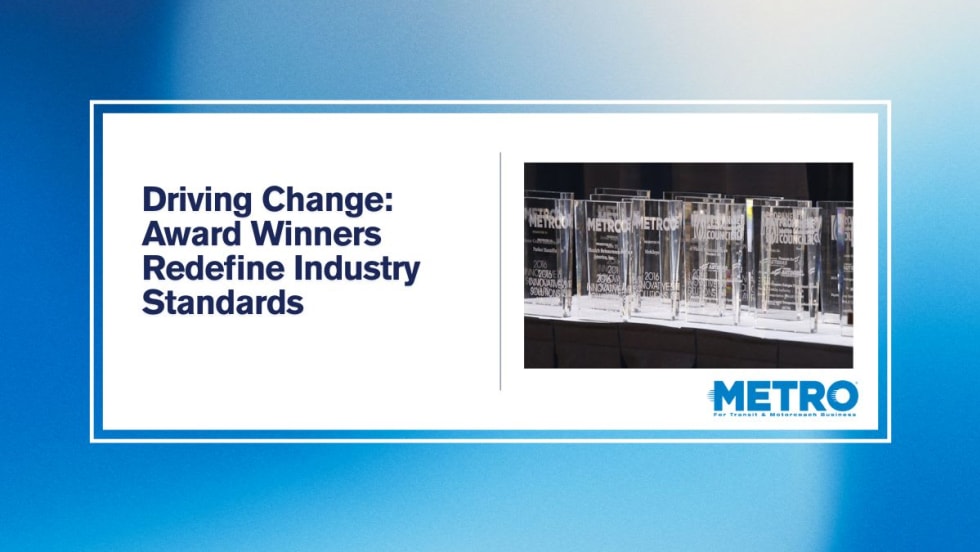
METRO Magazine Announces 2026 Innovative Solutions Awards Winners
Projects Recognized for Advancing Mobility Through Technology, Accessibility, Workforce Innovation, and Operational Excellence
Read More →