
Metro Magazine

 MENU
MENU SEARCHMENUSEARCH
Loading data...

The report covers energy use in today’s public transport; decarbonization of mobility and the role of public transport, the challenges, and more.
Read More →
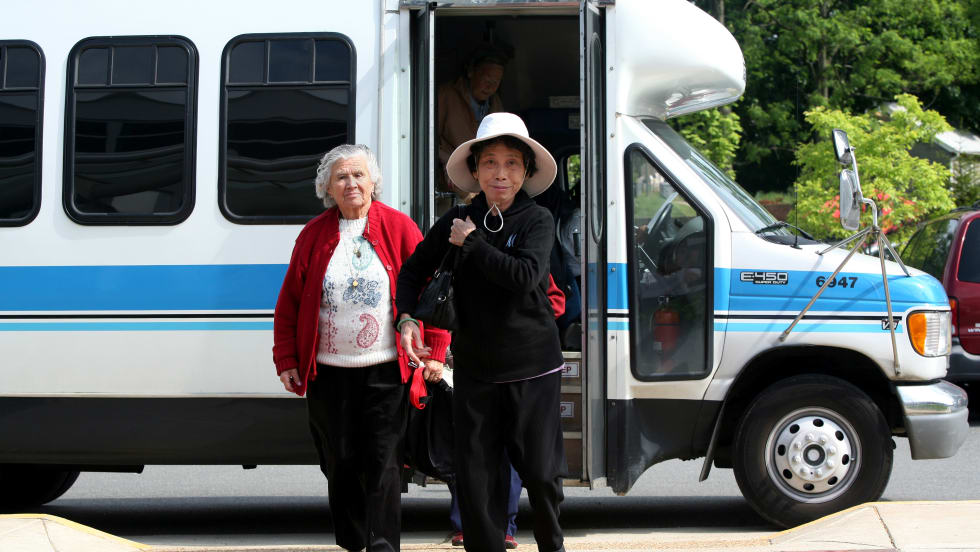





With the Baby Boomer generation well into retirement, cities have demonstrated an emerging interest in developing age-friendly cities.
Read More →An important area of research will be the design of access and interiors for buses.
Read More →Along with partners REI and Engraph Software, outfitted Cheyenne Transit Agnency's fleet of 19 vehicles with computer aided dispatch and automated vehicle location systems powered by ETA’s landmark SPOT™ technology.
Read More →Nationally, the CSAs of Denver, New York/New Jersey, Washington, D.C., and the San Francisco Bay Area are rated the highest on the transit-accessibility scale.
Read More →The $98.9 million fleet overhaul will fully renew all 98 of VIA's Canadian-built cars and reduce their energy requirements by up to 20 percent. The $5.8 million Renaissance rolling stock project will upgrade 21 cars to offer new levels of accessibility for travelers with special requirements.
Read More →Dorval R. Carter, Jr. was one of the original five signatories of the EIP pledge.
Read More →Here we highlight some of the best technologies, exciting features and cutting-edge capabilities in today's mobile video surveillance market.
Read More →