



San Francisco Central Subway project is a 'once-in-a-generation opportunity'
METRO spoke with Muni Director of Transportation Edward Reiskin to discuss SFMTA's projects and other key initiatives.

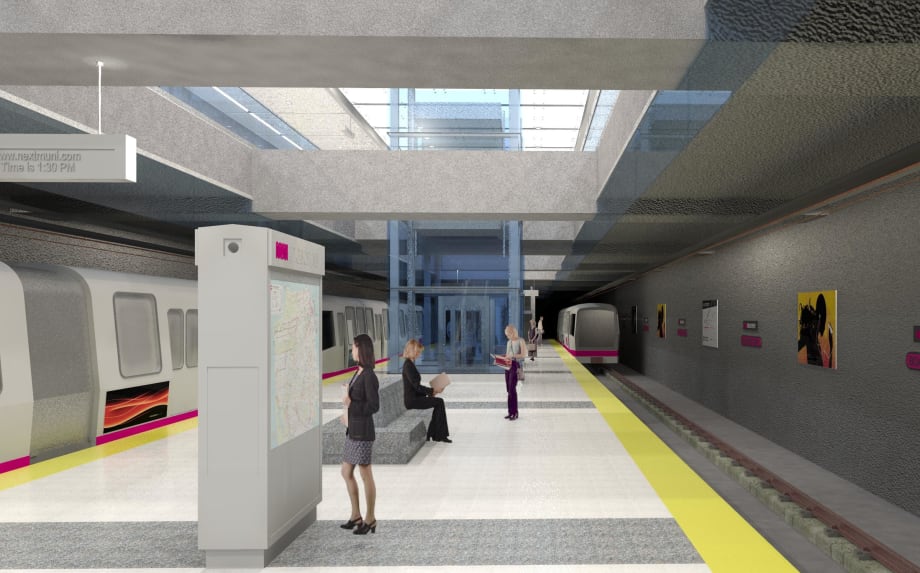
Once completed, T Third Line trains will travel mostly underground from the 4th Street Caltrain Station to Chinatown. Four new stations (rendering shown) will be built along the 1.7-mile alignment.
Once completed, T Third Line trains will travel mostly underground from the 4th Street Caltrain Station to Chinatown. Four new stations (rendering shown) will be built along the 1.7-mile alignment.
The San Francisco Municipal Transportation Agency (Muni) is the city’s mobility manager and operates the entire surface transportation network that encompasses pedestrians, bicycling, transit, traffic and parking, as well as regulating the city’s taxi industry.
The agency is currently in the midst of several dynamic projects that will change the transportation landscape in San Francisco. Probably it’s most high-profile undertaking is the $1.5 billion Central Subway project, the new 1.7-mile extension of Muni’s T Third Line, which includes four stations and will provide a direct transit link between the Bayshore and Mission Bay areas to SoMa, downtown and Chinatown.
Another key project is the Van Ness bus rapid transit (BRT) line. Scheduled to begin construction in 2016, the project includes two miles of dedicated transit-only lanes and is expected to reduce travel times by 32% for over 60,000 projected customers daily.
METRO spoke with Muni Director of Transportation Edward Reiskin to discuss these projects and other key initiatives.
METRO: What is the status of the Central Subway project?
Reiskin: Overall, we are just passed [being] 50 percent complete. We completed the first large contract, which was to build the tunnel earlier this year. It was finished ahead of schedule and under budget. That was a pretty significant milestone we were happy to have achieved.
At this point, we are now building the stations. You’ll see three or four large construction sites along the alignment, which is essentially the station construction. The project would be substantially complete in 2018, and we’ll do all the testing and commissioning to get it up and running and start revenue service in the beginning of 2019.
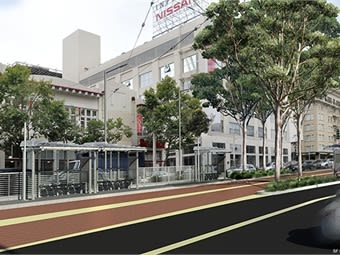
Scheduled to begin construction in 2016, the Van Ness Corridor Transportation Improvement Project (rendering shown) includes two miles of dedicated transit-only lanes that separate transit from traffic.
Discuss the significance of the project?
This is phase two of a light rail project, the T Third Line. Most of our subway system goes east-west; the T Third Line is a north-south route that goes through some of our most densely populated neighborhoods. And, this is in a city that is the second-most densely populated after New York. It’s where a lot of growth in the city is projected to happen. The Central Subway [project] will provide a really strong backbone of rail transit service through the area that is the densest and that is going to see the most growth in the next 20 to 30 years. And, a lot of that growth is happening now, so that isn’t speculative growth. [The line] will provide connectivity along that corridor into the downtown connecting with the rest of Muni Metro, with the rest of core Muni system and getting rail service up into Chinatown, which is currently our most densely populated neighborhood.
It almost feels like a once-in-a-generation opportunity to strengthen transit service where there is already great ridership demand. The day it opens, we anticipate something like 65,000 riders each day. It’ll immediately be our busiest light rail line.
Discuss the Van Ness BRT project and how it will improve service?
We received all of our approvals last year, and the design is virtually complete. We have a contractor on board and expect to start construction early 2016. It will be about a two- to three-year construction.
Like the T Third Line, Van Ness is a major north-south corridor in the city and it also happens to be a state highway. Two Muni bus routes as well as Golden Gate Transit, one of the regional transit providers, uses Van Ness Avenue. Right now, it carries a lot of people, but buses are slow and not very reliable because of the mix of general traffic. This project will create dedicated right-of-way for about a two-mile stretch of Van Ness, which is most of the length of the street. This will provide a critical, much more reliable and frequent north-south connection to the many people who ride on it.
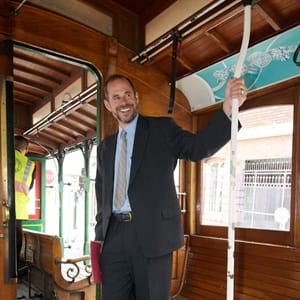
Discuss the service improvements with regard to the Muni Forward program?
We are doing a few different things to expand fleet capacity to better meet current and future demand. Right now, we use a mix of primarily 40- and 60-foot buses. We will be replacing some of the 40-foot buses with 60-foot buses. We are making the individual buses bigger and, in some cases, adding more. We are doing all this under the umbrella of Muni Forward, which includes capital improvements.
[This is the] result of a comprehensive analysis we did of the system starting back about eight years ago. [We] really looked at the entire system, the route structure, at demands where people were getting on and off buses, and where growth areas were. And, as a result of that process, came up with a number of recommendations about where we could change routes, where we should be adding service and where we should be focusing capital improvements to benefit the largest amount of riders.
We’ve done some of the route changes and service increases. We’re starting to do some of the fleet additions and we are starting to do some of the capital projects. It’s kind of a whole suite of things to improve the reliability and increase the capacity of Muni.
Discuss an overall challenge facing the agency?
Like probably most other transit agencies, the core State of Good Repair needs are daunting. We are a 100-year-old system. We were the first public transit system in the country, so we have a lot of old infrastructure. Trying to identify and secure the funds to focus on those State of Good Repair needs has been challenging.
A couple of years ago, the mayor of San Francisco established a transportation task force, which brought together folks from the business community, labor, other stakeholder groups and public transportation experts, to take stock of where we are and make some recommendations. As a result of the process, the task force recommended a number of new local revenue measures. The first of which, we brought to the ballot last November, which was a $500 million general obligation bond that was approved by the voters. That was the first of a number of things we will be doing here locally to help close the gap in terms of what we need and what we have and also in hopes of trying to leverage other regional, state and federal dollars, which are as you know, becoming more scarce. The more we can raise locally, the better positioned we’ll be to leverage those.
We are also pursuing an increase in a transportation development fee — a fee that would be assessed to people who undertake development in San Francisco to offset some of the impacts to the transportation system that their developments create. We have a fee already, so we are basically increasing and expanding the scope of developments to which the fee would apply. We are trying to do a couple of things on the funding front to shore up our ability to meet both State of Good Repair and increased demands needs.
Does having the streets, sidewalks and taxis under your authority provide an advantage in terms of developing a more comprehensive mobility plan?
It was created by a voter initiative about 15 years ago exactly for that purpose, so that we could plan and coordinate and manage the transportation system in a much more integrated way. So, for doing things like giving transit priority in the streets or giving other modes of transportation, such as cycling, priority in the streets, having this all in one agency, from my standpoint, makes it a lot easier. If I want to go and put a bus lane on Van Ness Avenue, I don’t have to go negotiate with the city in terms of giving up that space, because the city has put that authority in the same agency that runs the transit system. It gives us tremendous opportunity to coordinate and to make sure we are optimizing our streets for safety and for transit.
More Management
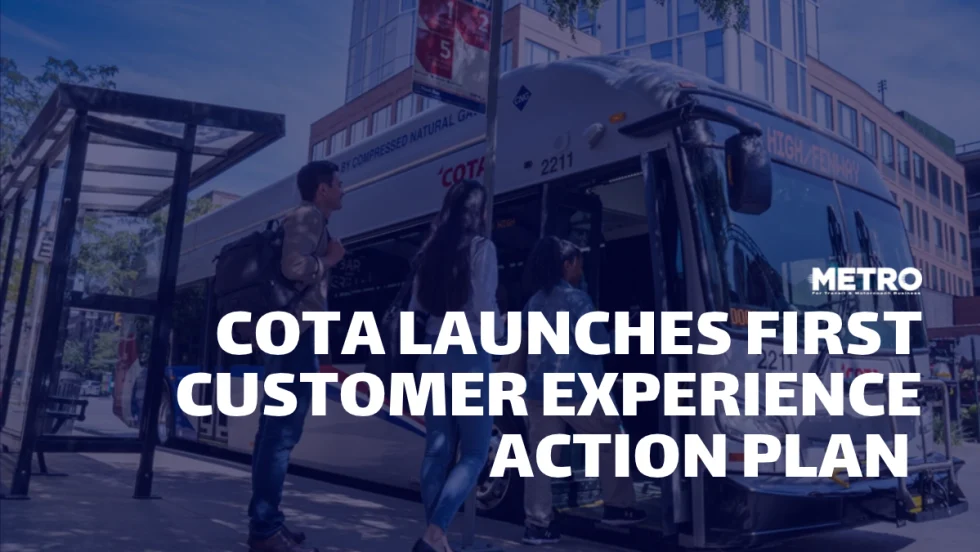
COTA Launches First Customer Experience Action Plan to Improve Transit Service
The new plan outlines improvements to service reliability, accessibility, communication, and the overall rider experience across Central Ohio's transit system.
Read More →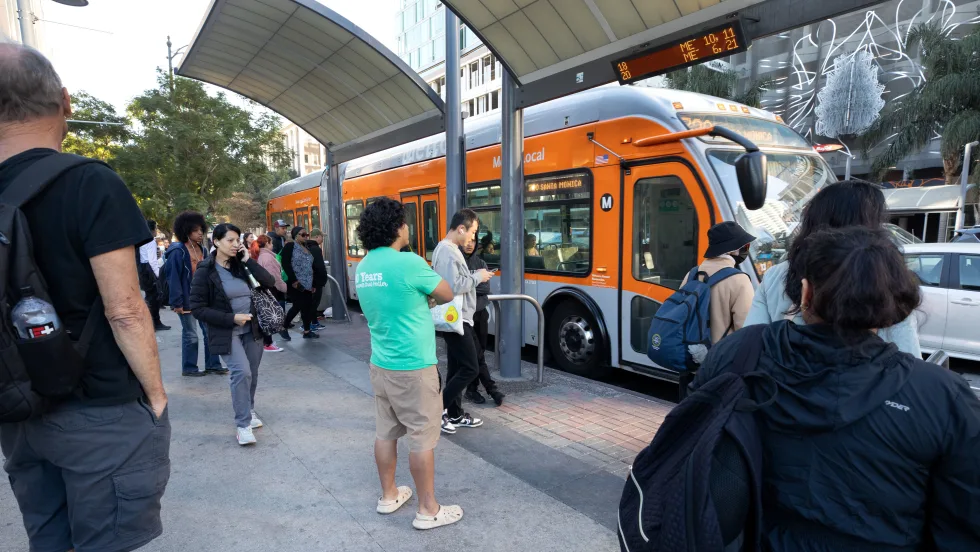
LA Metro September Ridership Climbs 3.9%, Led by Rail Growth
The agency recorded more than 27.2 million boardings, with rail ridership increasing 12.4% year over year and the D Line posting the largest gains.
Read More →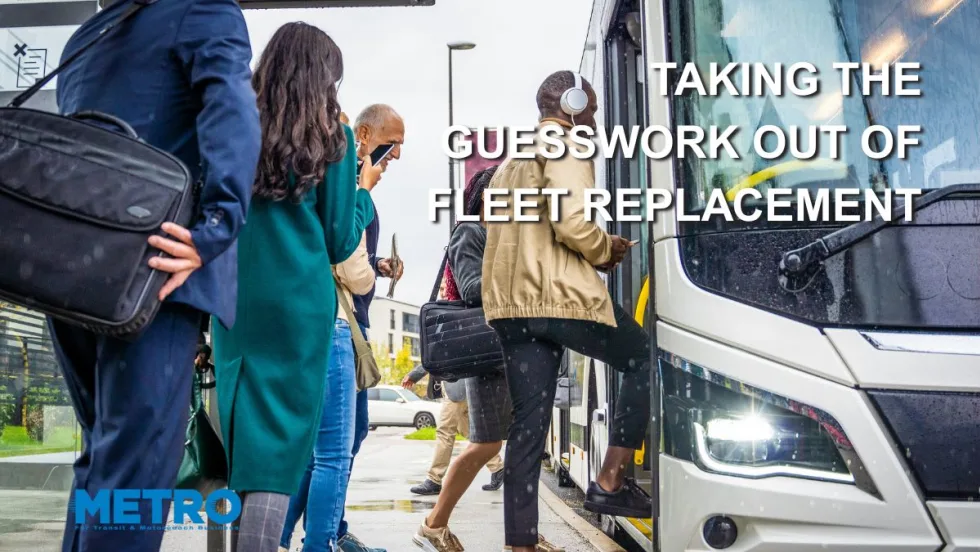
Utilimarc Launches SmartReplace to Optimize Fleet Replacement Decisions
AI-powered SmartReplace helps fleets prioritize vehicle replacements, model budget scenarios, and build more defensible long-term strategies.
Read More →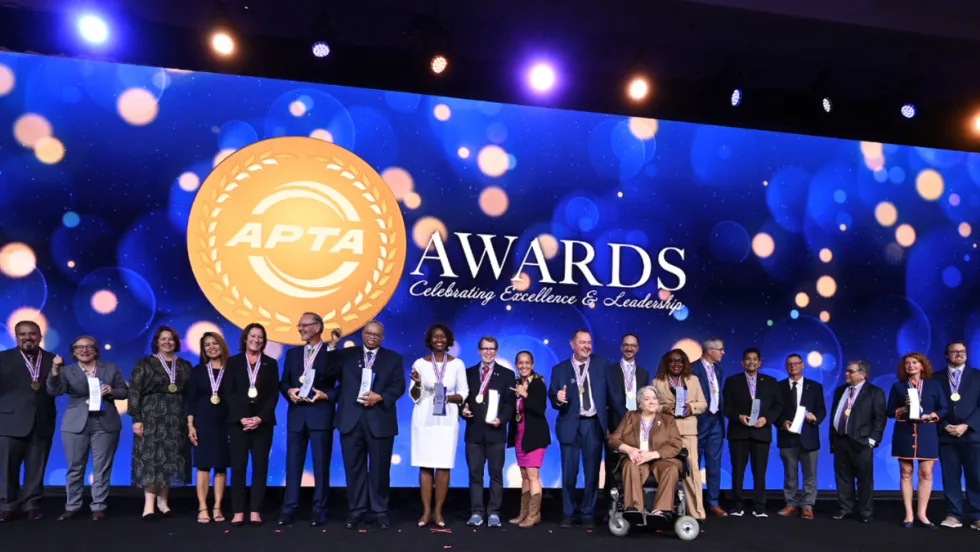
APTA Honors 2026 Award Winners, Hall of Fame Inductees at TRANSform & EXPO
Innovations in autonomous and zero-emission transportation, standout transit systems, and industry leadership took center stage among this year's honorees.
Read More →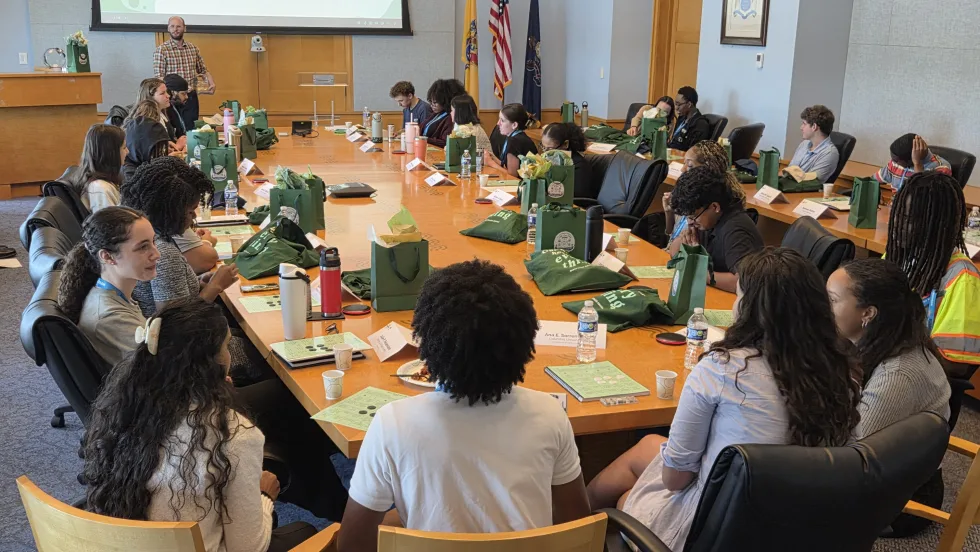
7 Ways to Build a Better Transit Internship Program
Lessons from DRPA/PATCO’s approach to creating a meaningful internship experience—and developing the next generation of transportation professionals.
Read More →
Scenes from APTA TRANSform & EXPO 2026
Transit leaders, manufacturers, and industry professionals gathered in Chicago to explore new technologies, share ideas, and discuss the future of public transportation.
Read More →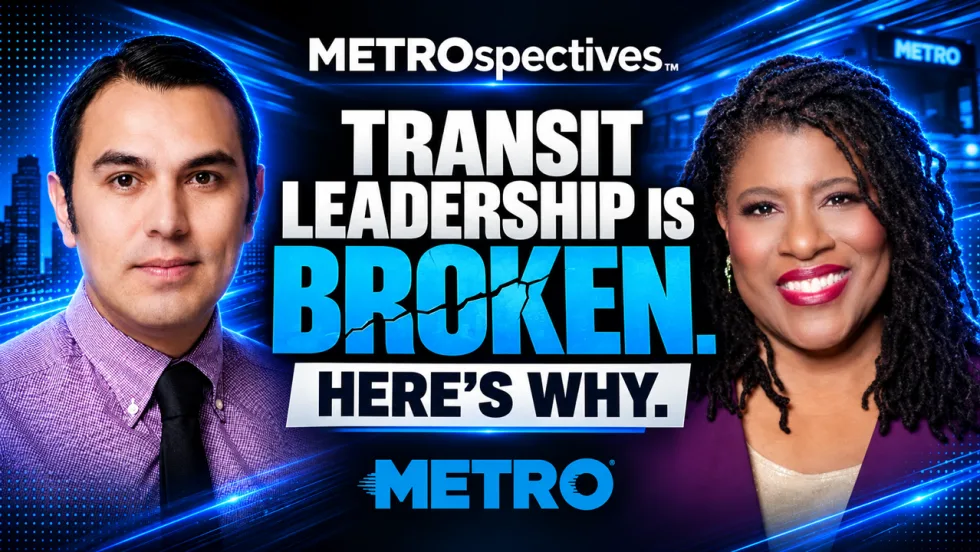
Building Stronger Leaders, More Resilient Transit Teams
Dr. Carol Parker Walsh discusses leadership development, employee retention, workplace culture, and preparing transit’s workforce for AI and automation.
Read More →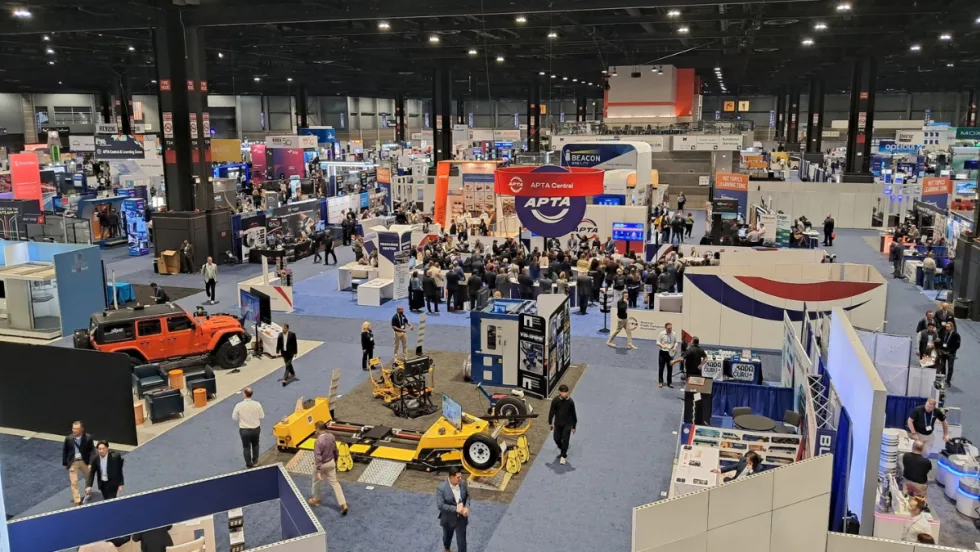
APTA 2026 TRANSform & EXPO Kicks Off in Chicago
After 45 years, APTA returns to Chicago with a focus on next-generation fleets, AI, connected transit networks, and the funding strategies shaping public transportation’s future.
Read More →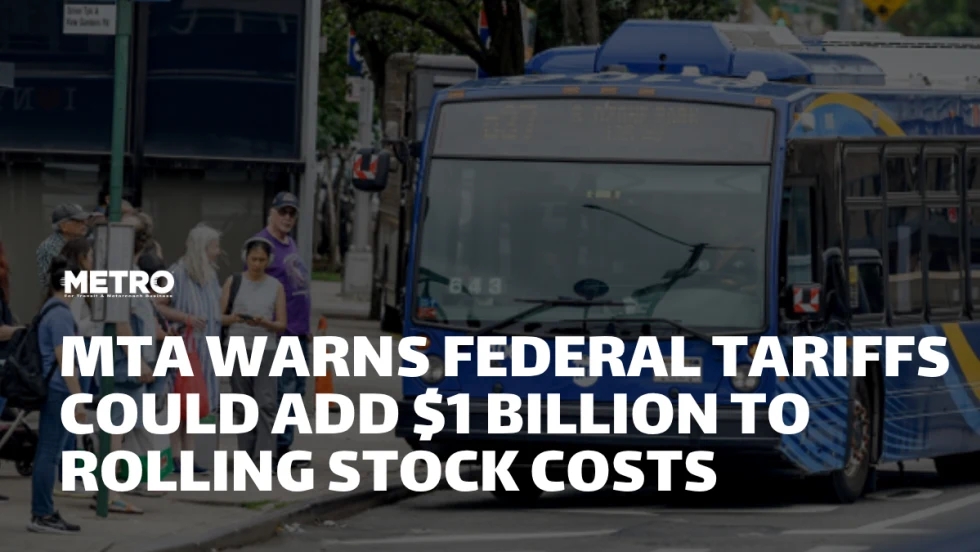
New York MTA Warns Federal Tariffs Could Add $1 Billion to Rolling Stock Costs
The agency said tariffs on specialized imported components could reduce the purchasing power of its $23 billion investment in new subway cars, railcars, and buses.
Read More →
From the Show Floor: What Happened at APTA TRANSform & EXPO 2026
See the latest product launches, partnerships, technology updates, and transit industry announcements from APTA TRANSform & EXPO in Chicago.
Read More →