
Metro Magazine

 MENU
MENU SEARCHMENUSEARCH
Loading data...

Lawmakers said that the leaders’ instruction that negotiators redouble their efforts was seen as genuine and boosted hopes of a deal before the July 4 recess, which begins a week from Friday.
Read More →Groups released a study predicting that record numbers of Americans will turn to public transportation as a cost-cutting measure in the face of volatile gas prices. To meet this impending surge in demand, they are calling on Congress to pass a multi-year, fully funded surface transportation bill.
Read More →The same hurdles – the Keystone XL oil pipeline and funding the bill – still exist without any new solutions being posited.
Read More →Last week, the U.S. House of Representatives voted to approve an extension of highway and transit funding at existing levels through September 30. This is the 10th extension of the six-year transportation bill. We need a long-term bill.
Read More →The bill, which would extend SAFETEA-LU and the collection of motor fuels taxes that are deposited in the Highway Trust Fund through June 30, 2012, is expected to be signed by President Barack Obama.
Read More →The measure must pass the Senate before March 31 to avoid the lapse of federal highway programs. Both chambers are scheduled to wrap up legislative business this week before taking a spring recess.
Read More →Envisions an entity that would make loans for energy, transportation and municipal development projects to leverage private investment and create jobs.
Read More →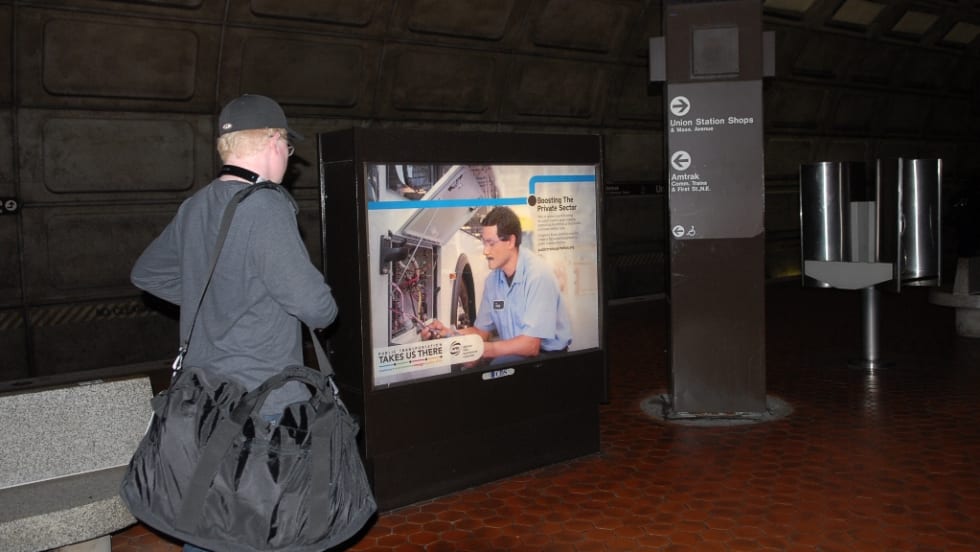
As the deadline to authorize a transportation bill by March 31 approaches, these advertisements will "dominate" WMATA Metrorail stations that serve the U.S. Capitol Building and House and Senate Office Buildings.
Read More →APTA President/CEO Michael Melaniphy, Gary Thomas, president/CEO of Dallas Area Rapid Transit, Patrick Scully, COO of Daimler Buses, North America and others discussed the negative financial impacts the proposal would have on America’s public transportation systems.
Read More →The agency has a $12.6 billion operating budget and has budgeted about $4.5 billion annually in capital projects until 2014. MTA may be forced to raise fares to compensate for lost money needed to fund improvements.
Read More →