



OCTA CEO: Congress, stop kicking transportation bill down the road
Last week, the U.S. House of Representatives voted to approve an extension of highway and transit funding at existing levels through September 30. This is the 10th extension of the six-year transportation bill. We need a long-term bill.
There was positive news last week out of Washington as the House of Representatives voted to approve an extension of current highway and transit funding at existing levels through September 30.
The bill, which garnered bipartisan support, will now move to conference with the Senate’s $109 billion two-year surface transportation reauthorization bill, dubbed MAP-21.
To boil it down, this action buys Congress more time as the well of transportation dollars was set to run dry June 30. Buying more time is nothing new when it comes to funding the expansion and maintenance of our nation’s highways and keeping our buses and trains running for the millions of people who depend upon them. This is the 10th time since October 2009 that the previous six-year transportation bill has been extended.
And while an extension is a step in the right direction, what we must have is a long-term surface transportation bill.
Without a dedicated and reliable stream of federal funding, we are significantly hampered in our ability to effectively plan for, deliver and maintain critical transportation infrastructure projects.
Nowhere is the need for freeway improvements and maintenance more apparent than in our own backyards. Every four years, the Southern California Association of Governments updates its Regional Transportation Plan.
Approved last month, the latest plan calls for a $524 billion investment through 2035. Of that amount, $305 billion is projected to come from existing sources, including local sales tax measures. The remainder, nearly $220 billion, is expected to be raised through yet-to-be implemented innovative financing strategies and new revenue sources. These efforts — like raising the federal gas tax or introducing a vehicle-miles traveled fee — face considerable obstacles.
Without question, finding a way to improve and continue to maintain our transportation system will be a significant challenge over the coming years.
In Orange County, we fund transportation primarily through local means, like the voter-approved, 30-year, Measure M half-cent sales tax. In fact, of funding for projects, 76% are local dollars, 13% come from state funds and the federal government provides 11% through the Highway Trust Fund.
And while 11% may seem like a small portion, the Highway Trust Fund is the lifeblood of transportation funding. Those are dollars Orange County can rely upon and use to plan for the future. Of course, that is entirely dependent upon Congress finally passing a multi-year transportation bill.
Unfortunately, transportation and its funding often takes a back seat to other high-profile national debates. The economy, healthcare and education grab headlines day after day, but there is arguably no issue that touches closer to home for more Americans than transportation. From an economic perspective, — both in terms of job creation and moving people and goods — mobility is a fundamental building block to ensure our economic prosperity, not to mention our quality of life.
The time has come to stop the extensions and pass a bill that recognizes how vital transportation is to our nation’s future.
In case you missed it...
Read our METRO blog, "Is aim to end transit violence with tasers misguided?" here.
More Blog Posts
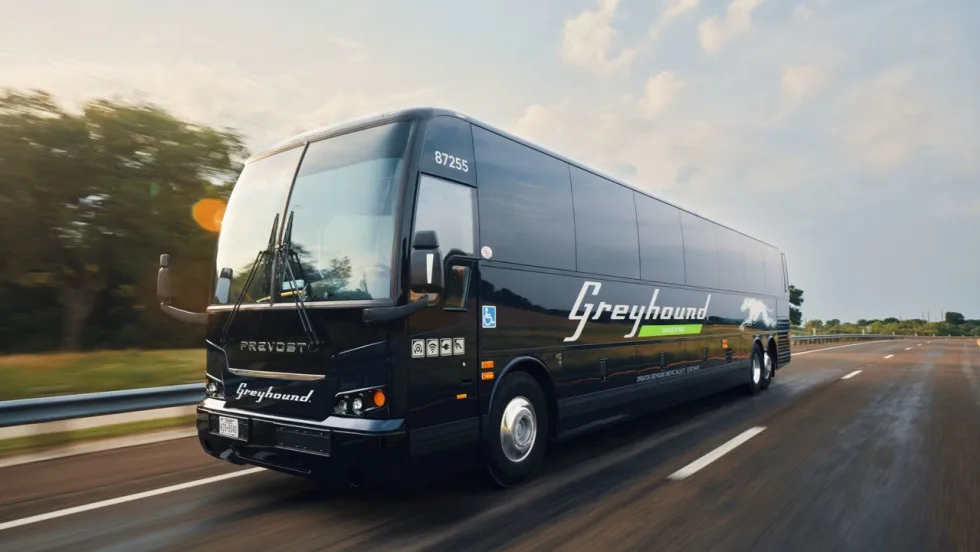
Five Years Later: What’s Changed at Greyhound
Five years after Flix acquired it, Greyhound reflects on fleet modernization, operational improvements, employee empowerment, and a renewed focus on customer experience.
Read More →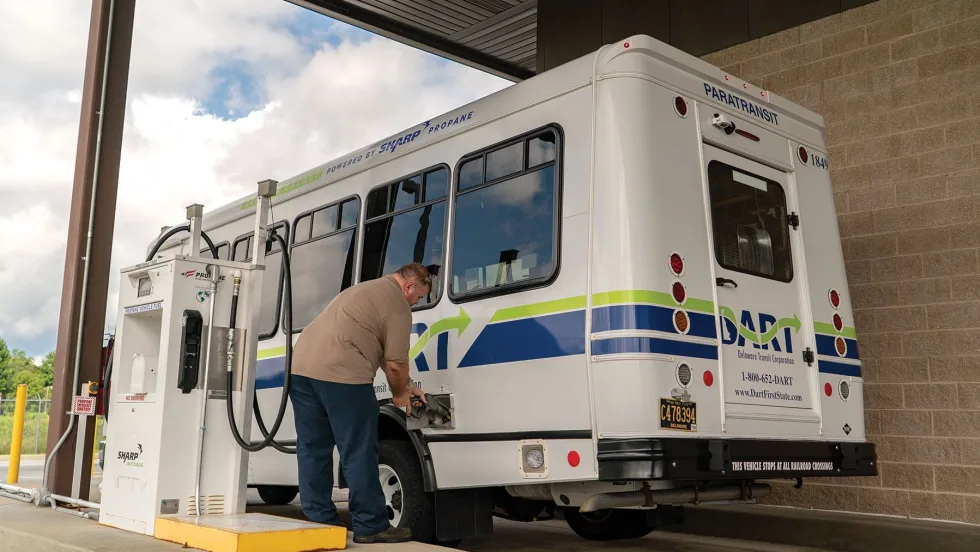
Building a Winning FTA Grant Proposal: Why Propane Autogas is the Pragmatic Choice for Fleet Resilience
With $610 million available through the FY 2026 Buses and Bus Facilities Competitive Program and the Low or No Emission Grant Program, agencies must build a compelling case before the September 21 deadline that balances environmental compliance with operational feasibility.
Read More →
Velo-city Conference 2026: Latest Trends in Cycling as Part of Urban Mobility
The global cycling conference highlighted how cities are integrating bicycles into multimodal transportation networks, expanding cycle tourism and reshaping urban mobility.
Read More →
Kindness Isn’t Soft...It’s Strategic.
Mike Bismeyer — often known as “The Kindness Guy” — has spent more than 17 years in public transit and mobility, serving in industry leadership roles, speaking across North America, and advocating for stronger workplace cultures. But his message doesn’t come from theory. It comes from lived experience.
Read More →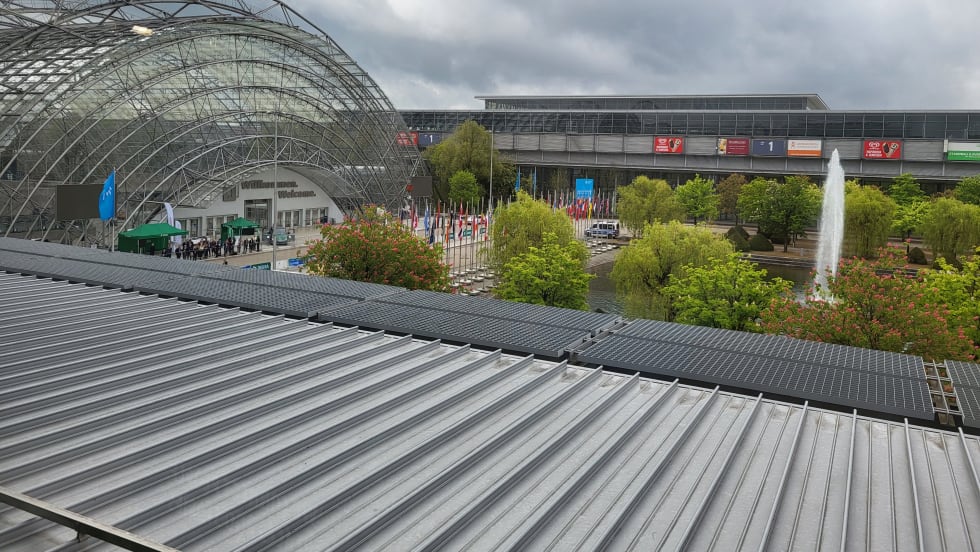
Inside ITF 2026: Transport Reacts to A Challenging World
Transport leaders from around the world gathered in Leipzig, Germany, for the 2026 International Transport Forum to discuss resilience, climate impacts, supply chains and the future of sustainable mobility.
Read More →
Every Ride Tells a Story — But You’re Not Just Selling the Ride
You’re selling the moment, the meaning, and the emotion behind it.
Read More →
How Digital Signage is Reshaping the Traveler Experience at Transportation Hubs
What was once a landscape of static signs has evolved into a responsive, immersive environment powered by real-time visual communication.
Read More →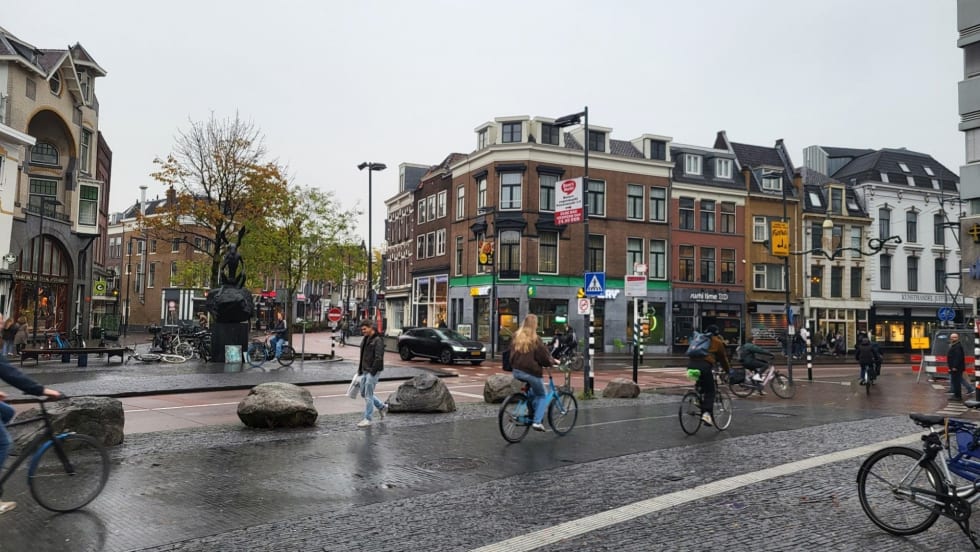
Latest Trends in Urban Mobility from Polis Conference 2025
Polis comprises cities and regions, as well as corporate partners, from across Europe, promoting the development and implementation of sustainable mobility. This year’s event had over a thousand attendees across various policy forums and an exhibition.
Read More →
Why Transit Leaders Require Better Tools for Operational Clarity In Today’s Tech-Fragmented Environment
Across North America and beyond, transit agency officials are contending with a perfect storm of operational headaches and strategic challenges that hamper daily service and long-term progress.
Read More →
The Powerless Brokers: Why California Can’t Build Transit
It is no secret that transit in the U.S. is slow and expensive to build.
Read More →